How Many Days Do You Need In Modena?
The honest answer to how many days you need in Modena, worked out against producer booking lead times, closing days and the tours that only run on certain days.
 By Marco Montanari, Modena food tour guide and Emilian culinary specialist
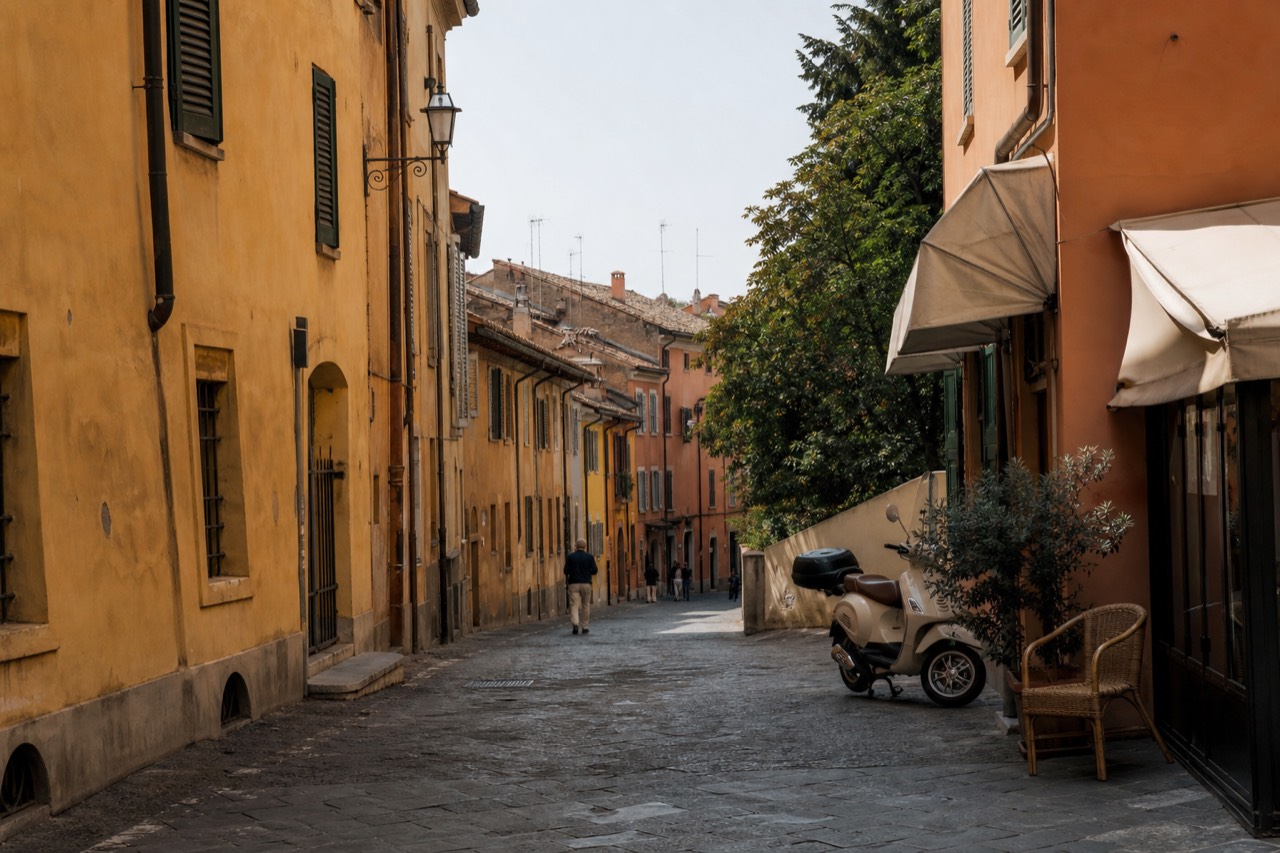
Modena is a small city with an outsized food reputation, and the arithmetic of a visit is unusual. The historic centre takes half a day to walk end to end, yet many travellers leave feeling they needed more time. The reason is that the experiences people come for, a Parmigiano Reggiano dairy, a traditional balsamic acetaia, a Lambrusco cellar, sit outside the centre and run on their own schedules. The number of days is really a question about how many of those calendars you want to fit inside one trip.
How Many Days Do You Need In Modena?
Two full days is the honest minimum for a food-focused trip, and three or four is the sweet spot if you want the producers as well as the city. One day covers the centre, the market and a single tasting, but it forces you to choose between the dairy, the acetaia and the cellar, because each sits in a different corner of the province and most visits are pre-booked. The city itself is compact: Piazza Grande, the Ghirlandina tower, the cathedral and Mercato Albinelli sit within a ten-minute walk of each other, and a well-built walking tour stitches them together with tastings in a few hours. What expands the trip is the countryside. A dairy visit is timed around the morning make, acetaie keep their own visiting hours, and the Lambrusco hills at Castelvetro are a 41 to 47 minute bus ride from the Autostazione on SETA line 740. If you are planning around the producers rather than the piazzas, count backwards from their calendars, not from a list of sights.
A useful way to size the trip is to separate the two layers. The city layer, meaning the market, the salumerie, the old centre and a meal or two, fits comfortably into one busy day. The producer layer, meaning a dairy in the morning, an acetaia in the afternoon and possibly a winery, needs at least one more day, and ideally a second if you also want the Ferrari museums at Maranello, which are another 27 to 31 minutes out on bus line 800.
For most first-time visitors we would sketch it like this: day one for the centre and the market with a walking food tour as the spine, day two for a dairy and an acetaia, and a third day only if the Motor Valley matters to you or you want a slower pace with a cooking class folded in (see Cooking Class Costs). That sketch is not a hard rule, but it reflects how the days actually break down once reservations enter the picture.
Those three formats map neatly onto the three trip lengths. The city walk anchors a one-day visit, the small-group Motor and Food Valley day compresses the dairy-plus-museum-plus-acetaia combination into a single outing that starts from Modena railway station, and the Castelvetro acetaia visit suits the traveller with a third day and a curiosity about the hill country (see Ferrari and Food Day). Check the current price and the next available dates on whichever fits your plan before you fix the rest of the itinerary, because the tour slots are the scarce resource, not the tables at the market.
What Actually Limits The Trip: Booking Lead Times And Closing Days?
The binding constraints on a Modena trip are reservations and weekly closing days, not the number of sights. Dairy visits run by reservation only and are timed around the morning make, the Spilamberto balsamic museum is closed on Mondays, market stalls shut on Sundays, and the most popular acetaia and cellar tours sell out ahead of the date you want. A traveller who ignores these calendars can lose half a day to a locked door. A traveller who plans around them can see more in two days than an unplanned visitor manages in four. This is why the honest answer to the length question is a scheduling answer rather than a sightseeing one.
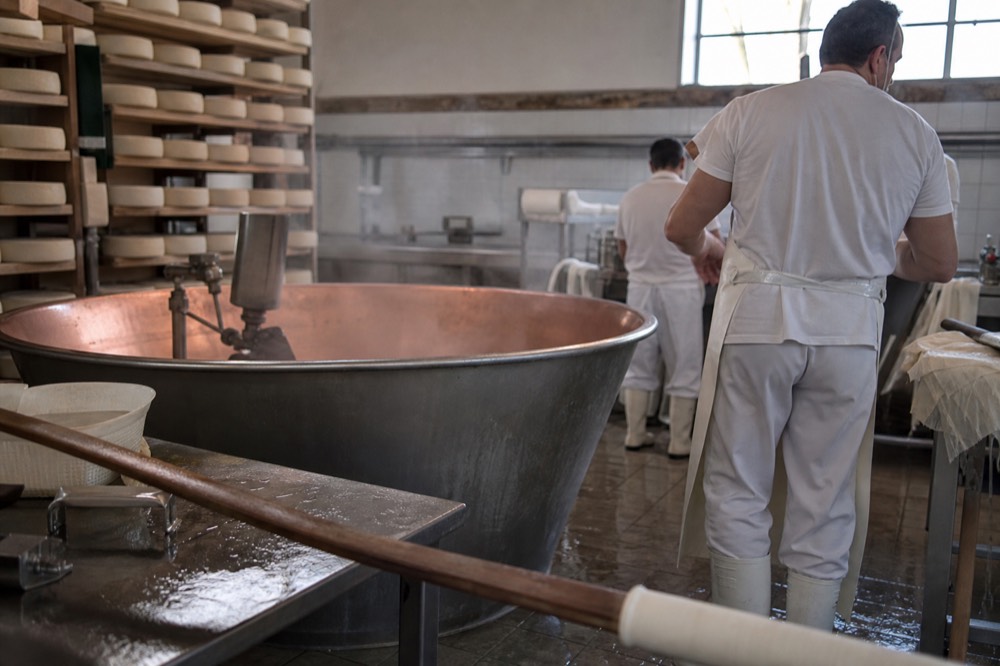
The dairy layer is the clearest example. Cheesemaking happens in the morning, and afternoon tours at one well-documented Modena dairy cover that stage on video instead of live, so anyone who wants to watch the copper vats working has to be there in the first half of the day. Visits at that dairy, 4 Madonne Caseificio dell'Emilia at Lesignana, run every day but by reservation only, cost EUR 22 per adult and last about an hour. The Parmigiano Reggiano consortium also runs its own booking page for tourist dairy visits across the whole production zone, which is worth knowing if your dates are tight and you want a wider choice of caseifici.
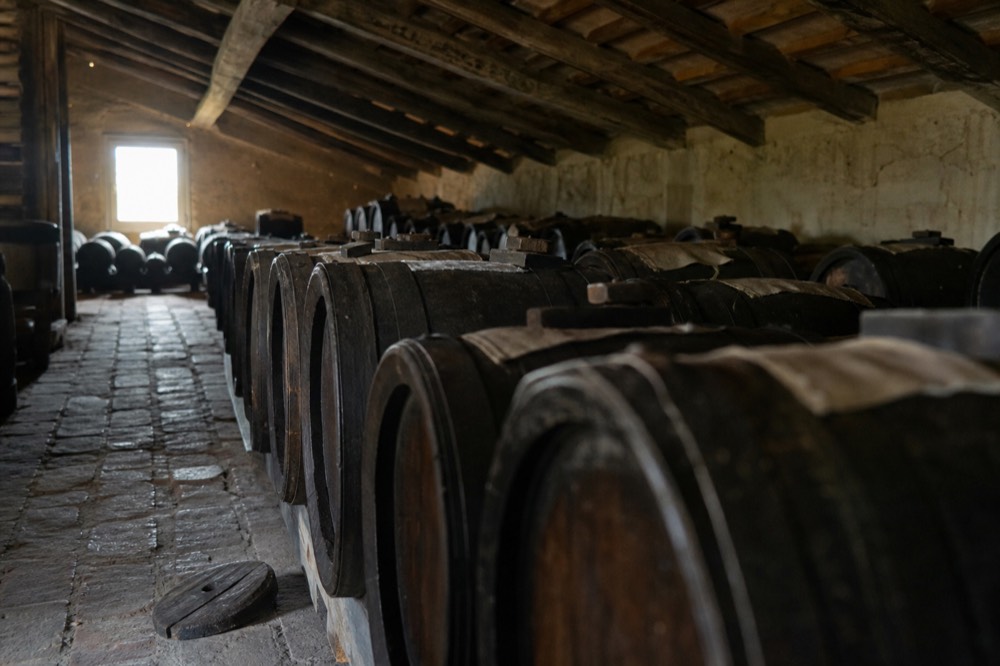
The balsamic layer has its own rhythm. The Museo del Balsamico Tradizionale in Spilamberto, the museum run by the Consorteria that protects Aceto Balsamico Tradizionale di Modena DOP, opens Tuesday through Sunday from 10:30 to 17:30, with a shorter Wednesday close at 13:30, and runs guided visits at 10:45, 12:00, 14:00 and 15:30. Monday it is shut. Many working acetaie take booked visits, and the DOP consortium's own FAQ notes that the tasting on such a visit is free when you contact an acetaia directly through its map, though you still need the appointment.
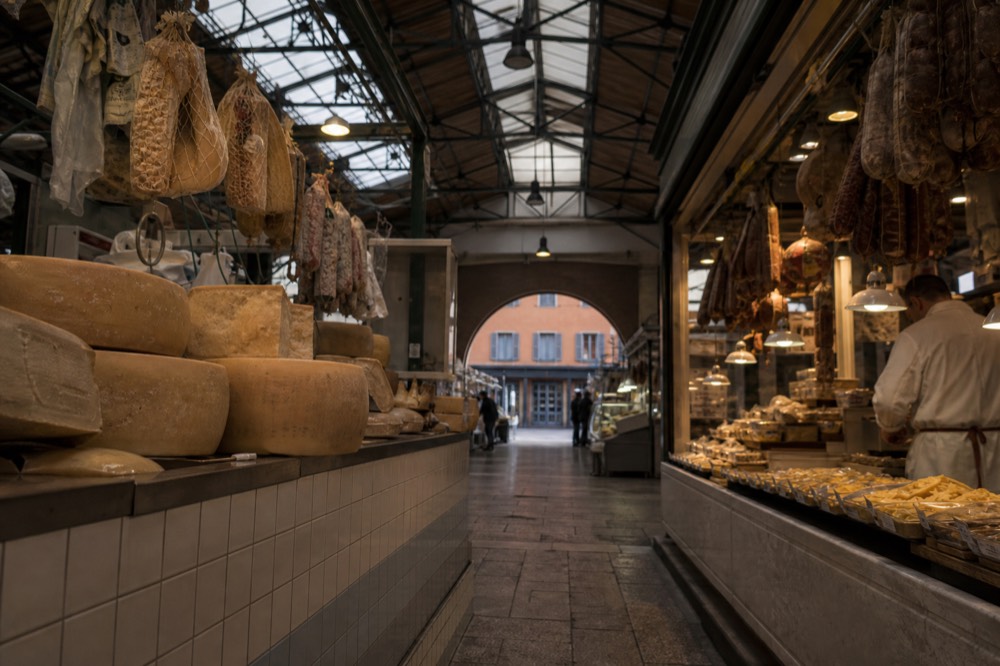
The city layer is the easiest but not friction-free. Mercato Albinelli's stalls open Monday to Saturday from 07:00 to 15:00 and close on Sundays, while the market's restaurants open seven days, so a Sunday visitor eats well but shops poorly. The market's own site publishes the calendar of closures and the extra Sunday openings, which include 20 September 2026 for the Festival Filosofia weekend and three December dates. If your trip lands on a Sunday, plan the market for another day and use Sunday for a producer visit, several of which do run that day.
| Constraint | What it means for your plan | Where it bites |
|---|---|---|
| Dairy visits are by reservation | Book before you travel, not on the day | Any Parmigiano Reggiano dairy |
| Cheesemaking happens in the morning | Afternoon dairy tours see the stage on video | Day-two morning slot |
| Spilamberto museum closed Mondays | Do not schedule the balsamic museum for a Monday | Producer day planning |
| Market stalls shut Sundays | Shop the market on a weekday or Saturday | Day-one itinerary |
| Popular tours sell out ahead | Reserve the walking tour and acetaia early | Every day of the trip |
None of this is hard to manage, but it does mean the trip length question answers itself differently depending on the day of the week you arrive. A Monday arrival with two days available loses the museum and gains quiet streets. A Saturday arrival can shop the market at full tilt but competes with more visitors for tour slots.
If you are still weighing one day against three, the city highlights walk is the single format that rescues a short trip: it packs Piazza Grande, the Ghirlandina, Acetaia Giusti and Mercato Albinelli into one guided sequence with a tasting at each stop. See the next available dates before you commit to a day count, because the walk's schedule may decide your day one for you.
What Does A One-Day Visit Get You?
One day in Modena gets you the historic centre, Mercato Albinelli, one substantial tasting and one good meal, and nothing else. It is enough for a first taste on a Bologna-based trip, but it forces a choice: you either do the city properly or you do one producer, because the dairy, the acetaia and the cellar cannot be stacked into the same day as a real market visit. The centre is genuinely small. Piazza Grande and the cathedral, the Ghirlandina, the market hall and the main shopping streets form a walkable cluster that a guided food tour can cover in a few hours with tastings built in.
The strongest one-day shape is a morning walking tour that ends at or inside the market, lunch at one of the market's restaurants or a nearby osteria, and an afternoon tasting at a city acetaia, of which Modena has several, including historic names with barrel lofts above the streets (see Bottura's Restaurants). That structure keeps you inside the ZTL-free walking zone and avoids the bus timetables entirely.
What one day cannot absorb is the morning dairy visit, because it eats the first half of the day and sits 15 minutes or more outside the centre. If seeing Parmigiano Reggiano made is the reason you are coming, one day is the wrong number, full stop. The same applies to the Ferrari museums at Maranello: reachable in 27 to 31 minutes on SETA line 800, but a half-day commitment once you include the museum itself.
For travellers based in Bologna who are debating a quick hop, our guide to the day trip from Bologna to Modena works through exactly this trade-off, and the honest summary is that a day trip buys the city layer and gives up the producer layer.
What Does Two Days Add?
Two days adds the producer layer: a morning Parmigiano Reggiano dairy visit, an afternoon at a traditional balsamic acetaia, and a proper Lambrusco tasting, all without abandoning the city. The second day is where Modena stops being a quick stop and becomes the food trip people actually remember, because the two products the region is named for are made in front of you rather than served to you. The classic second day is a dairy in the morning while the vats are working, then a short transfer to an acetaia for the barrel loft and a tasting of Aceto Balsamico Tradizionale di Modena DOP, ideally ending with a glass of Lambrusco somewhere in between.
The pairing is not arbitrary. Parmigiano Reggiano and traditional balsamic are the two protected products that define the province, and they are made within striking distance of each other in the flat country north and west of the city. Several tours on our roster do exactly this combination in one outing, with the dairy and the acetaia explained by the people who run them, which removes the need to arrange two separate reservations and a car.
Two days also buys you a better dinner. Modena's serious restaurants keep their own closing days, and the only safe generalisation is that Sunday and Monday are the common closures, with some long-standing places shutting for the whole of August. With two evenings in the city you get two shots at a table that is open, instead of gambling your single night on whichever kitchen happens to be lit.
The walk earns its place on day one of a two-day plan precisely because it front-loads the context: by the time you are standing in a barrel loft on day two, you already know what the vinegar is, what the cheese is and how the two consortia police the names. Check the live price before you plan the day, since the walk's availability on your arrival date is the first thing to lock down.
When Is Three Or Four Days The Right Number?
Three or four days is the right number when the Motor Valley, a cooking class or the hill country around Castelvetro and Spilamberto are on your list, or when you want a slow trip with long lunches rather than a checklist. Beyond four days you are not adding Modena, you are adding the province, and at that point the question becomes one of transport and stamina rather than days. The third day is where the Ferrari museums, the Lambrusco hills and the pasta classes live, and each of them is a half-day or more once travel is counted.
The Motor Valley option is the most common third-day choice. Maranello is 27 to 31 minutes from Modena Autostazione on line 800, and the two Ferrari museums keep long hours, 09:30 to 18:00 year-round and to 19:00 from April to October, closed only 25 December and 1 January. A single adult museum ticket is EUR 27 from October to April and EUR 32 from May to September, and the combined pass for both museums is EUR 38 or EUR 42 on the same seasonal split. A shuttle runs between the two museums and also stops at Modena railway station, which matters if you would rather not ride the bus out.
The hill option is quieter. Castelvetro di Modena, reached on line 740 in 41 to 47 minutes, is Grasparossa country, and its September sagra, running 19 to 27 September in 2026, is one of the region's genuine wine festivals. Spilamberto, on line 731, holds the balsamic museum and its guided visits at fixed times. And if your third day lands on Sunday 27 September 2026, Acetaie Aperte opens more than 30 acetaie across the province for guided visits and tastings of both the DOP and the IGP, which is a once-a-year reason to stretch the trip by a day.
| Trip length | What fits comfortably | What you give up |
|---|---|---|
| 1 day | Centre, market, one tasting, one good meal | Dairy, acetaia in the hills, Ferrari museums |
| 2 days | Everything above plus a dairy morning and an acetaia afternoon | Motor Valley, cooking class, hill towns |
| 3 days | Add the Ferrari museums or a Lambrusco hill day | A relaxed pace, some flexibility |
| 4 days | Add a cooking class and a second producer day | Nothing in the province, only time elsewhere |
The fourth day, for most people, is a cooking class day. Modena's class formats run from a two-hour private tortellini lesson in a home kitchen to longer market-plus-class combinations where you shop with your host before rolling pasta, and the longest formats eat most of a day by design (see Tortellini and Broth). If that appeals more than a second museum, it is a perfectly good reason to stay the extra night.
How Do You Get Around Without A Car?
You do not need a car for a two-day Modena trip, because the city layer is entirely walkable and the main producer destinations sit on regular SETA bus lines: line 800 to Maranello in 27 to 31 minutes, line 740 to Castelvetro in 41 to 47, line 500 to Lesignana in 9 to 11 and line 731 to Spilamberto. A car becomes useful only when you want to stack three or four producer stops in one day at your own pace, or reach the acetaie and dairies that sit away from the bus corridors. Even then, several small-group tours solve the problem for you by starting from Modena railway station with transport included.
The bus network is more useful than most visitors expect. The Autostazione sits next to the railway station, and the lines that matter for food travellers leave from there. What matters is checking the timetable rather than assuming frequency: line 800 runs from early morning into the evening with service marked for weekdays, Saturdays and Sundays or holidays, so a Sunday producer day is possible, but the gaps between runs can be long enough to shape your afternoon.
For the dairy at Lesignana, line 500 covers the ride from the Autostazione in 9 to 11 minutes, and the dairy itself lists a taxi arrangement and cycle paths from central Modena as alternatives. For anything involving multiple stops in the hills, a tour with transport included usually beats self-driving on both cost and stress, and the self-drive versions of the food-and-motors days exist precisely for travellers who want the freedom without the chauffeur price.
| Destination | Line | Ride time from Modena Autostazione | Why you would go |
|---|---|---|---|
| Maranello | 800 | 27 to 31 minutes | Ferrari museums, Motor Valley |
| Castelvetro | 740 | 41 to 47 minutes | Lambrusco hills, acetaia, sagra |
| Lesignana | 500 | 9 to 11 minutes | 4 Madonne dairy visit |
| Spilamberto | 731 | Timetable varies | Balsamic museum, Consorteria |
| Bomporto | 410 | 20 to 22 minutes | Sorbara Lambrusco country |
One caution worth carrying: do not plan a tight bus connection around a reserved dairy slot without checking the last timetables of the day in both directions. A morning visit is easy; an afternoon return can leave you waiting.
How Do You Sequence The Days Once You Have Them?
Sequence the trip producer-first: put the dairy morning and any pre-booked acetaia visit on the earliest workable days, then fit the city layer around them, because the city layer is flexible and the producer layer is not. The market wants a non-Sunday, the museum wants a non-Monday, and the walking tours run on their own published schedule, so the fixed points should claim the calendar before the flexible ones do. A traveller who books the dairy and the acetaia first almost never has to cut anything; a traveller who books the restaurant list first frequently does.
A practical sequence for a three-day trip looks like this. Day one, arrive, walk the centre, take the city highlights walk with its tastings, dinner in the old centre. Day two, dairy in the morning while the make is live, acetaia in the afternoon, evening free. Day three, Ferrari museums or the Castelvetro hills, or a cooking class if the weather turns. Two-day trips drop day three; four-day trips split day two into a dairy day and a hills day and slow everything down.
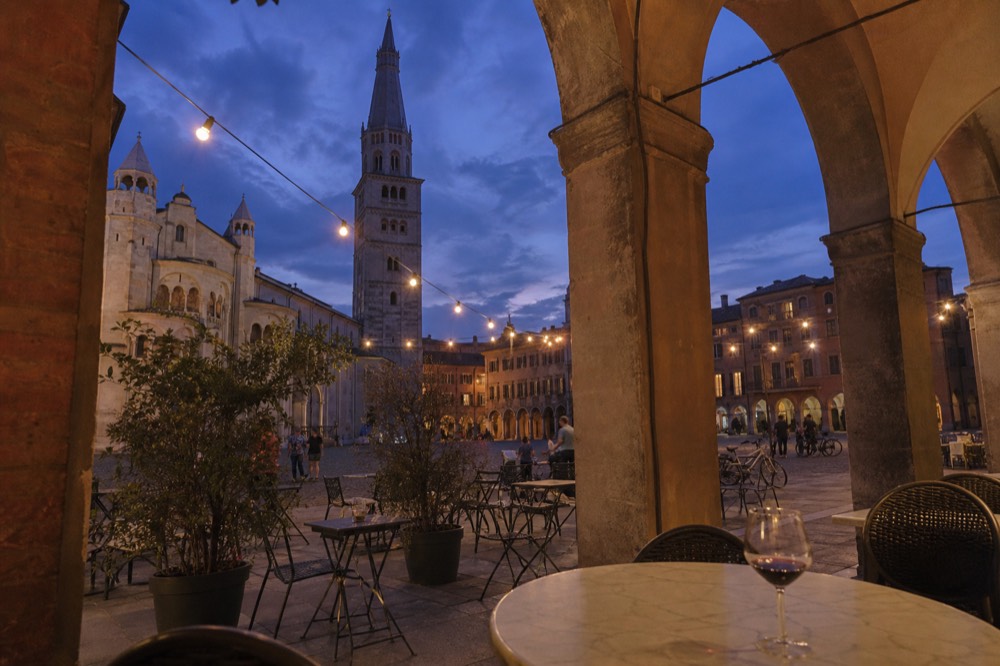
The one sequencing rule that saves the most disappointment: never put the market on your departure morning if you leave before 15:00, because the stalls close at 15:00 and the last hour is already thinning. Buy your cheese and vinegar the afternoon before, and let the last morning be for coffee and one last gnocco fritto.
If you are still deciding whether Modena deserves the days at all, our piece on whether it is worth going to Modena weighs the question directly, and the food lover's guide to things to do in Modena lists the full set of experiences these day counts are built around. The short version, from Food Tours in Modena as a site that has mapped every producer visit on the roster: the city rewards depth over speed, and two days is where depth starts.
The Castelvetro acetaia visit is the classic third-day anchor: barrels over a century old, a tasting that puts the very old reserves beside the young ones, and a hill town that rewards the extra bus ride. Check the next available dates once your day count is settled, because the small family acetaie fill their visiting slots well ahead.
Whichever length you land on, the three formats above cover the three layers: the city walk for day one, the Motor and Food Valley small-group day for the compressed producer-plus-museum version, and the centenary acetaia for the hill-country third day. Check availability on your dates before you book anything non-refundable around them.
Common Questions About Days In Modena
How Many Days Do You Need In Modena?
Two full days is the minimum for a food-focused trip, and three or four is the sweet spot if you want the producers as well as the city. One day covers the centre, the market and a single tasting, but it forces a choice between the dairy, the acetaia and the cellar.
Is One Day In Modena Enough?
One day is enough for the historic centre, Mercato Albinelli, one substantial tasting and one good meal. It is not enough for a dairy visit, a hill acetaia or the Ferrari museums, because each of those takes half a day or more including travel.
What Is The Best Day Of The Week To Visit Modena?
Tuesday through Saturday gives you the market stalls, the Spilamberto balsamic museum and the widest restaurant availability. Sunday shuts the market stalls, Monday shuts the balsamic museum, and both are common restaurant closing days, though each venue keeps its own schedule.
Do You Need A Car In Modena?
No. The centre is walkable, and SETA buses reach the main food destinations: line 800 to Maranello in 27 to 31 minutes, line 740 to Castelvetro in 41 to 47, line 500 to Lesignana in 9 to 11 and line 731 to Spilamberto. A car only helps if you are stacking several producer stops in one day at your own pace.
Can You Do A Dairy Visit And An Acetaia On The Same Day?
Yes, and it is the classic second day. Cheesemaking happens in the morning, so book the dairy first, then an acetaia for the afternoon. Several combination tours do both in one outing with the transfer handled.
When Is The Best Time Of Year For A Modena Food Trip?
Late September is exceptional: the Castelvetro Grasparossa sagra runs 19 to 27 September 2026 and Acetaie Aperte opens over 30 acetaie on Sunday 27 September. Otherwise spring and autumn give you the full producer calendar without August's restaurant closures.