What Sauce Do Italians Eat With Tortellini In Modena?
The honest Modena answer to what sauce Italians eat with tortellini: broth, not sauce, and the reasons behind that rule, plus when butter, sage or a drop of DOP balsamic do appear.
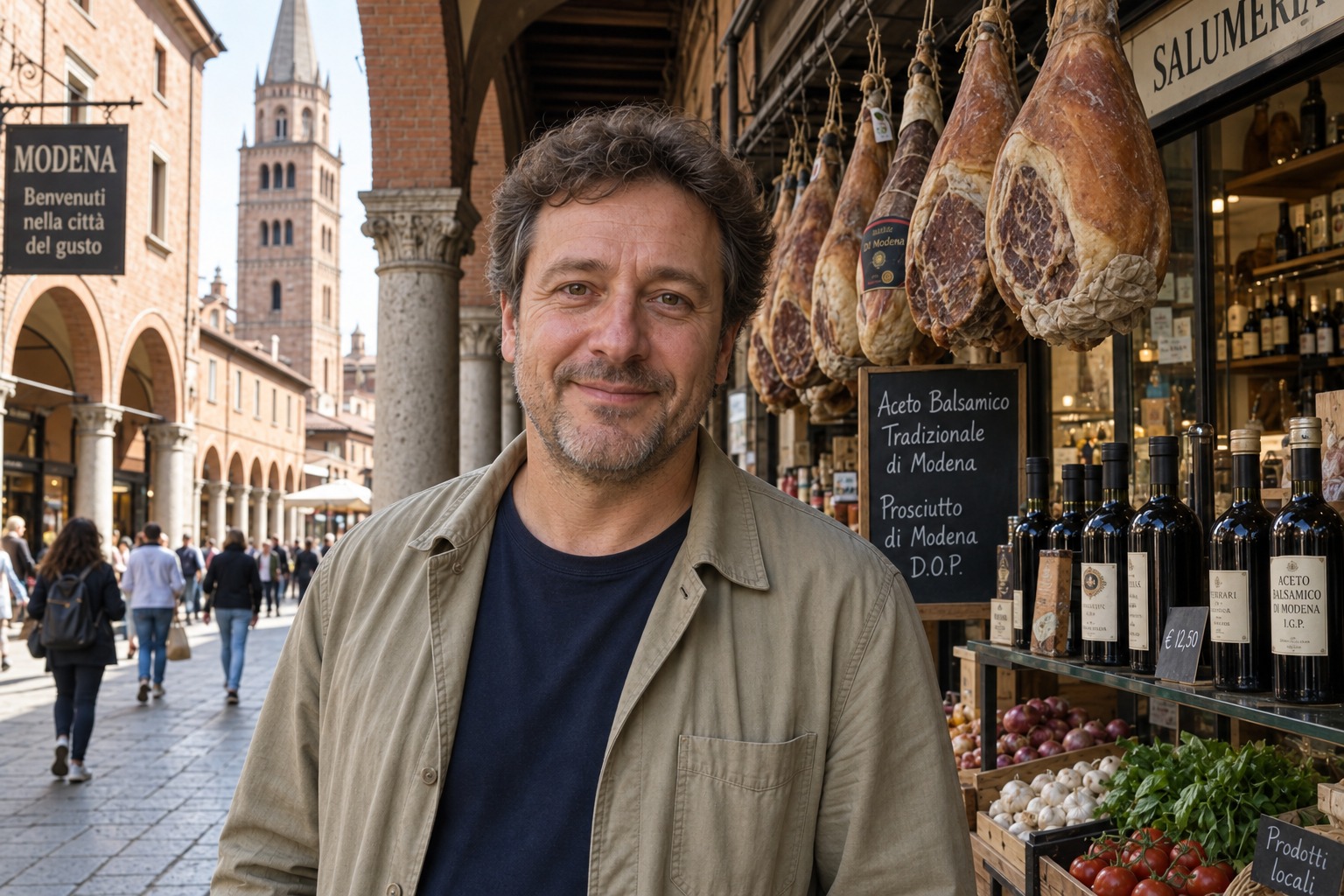 By Marco Montanari, Modena food tour guide and Emilian culinary specialist
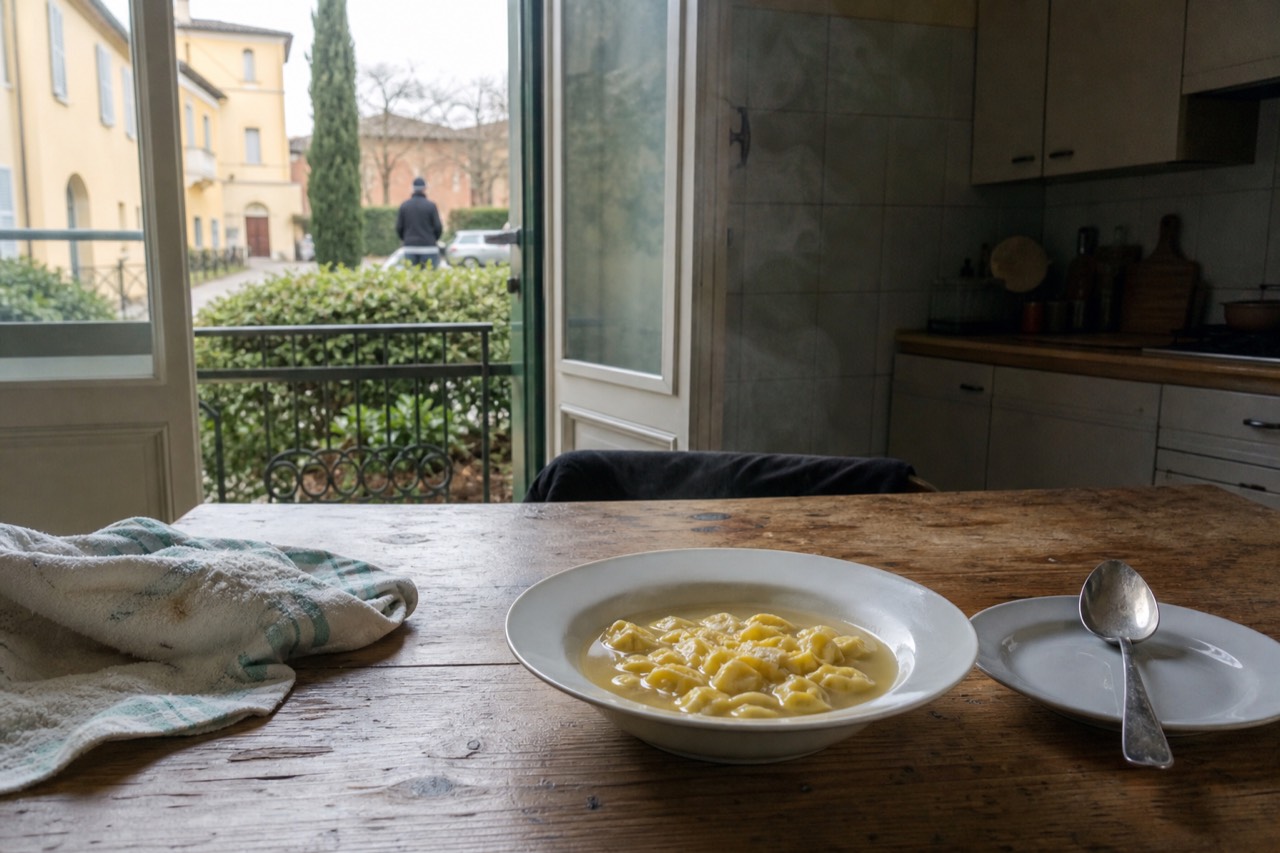
What Sauce Do Italians Eat With Tortellini?
The short answer is that most Italians, and essentially all Modenese, eat tortellini in brodo, in capon or hen broth, rather than with a sauce. The pasta itself is the point: a thin egg wrapper around a filling of pork loin, prosciutto, Parmigiano Reggiano and nutmeg, and a heavy sauce would bury it. Sauces belong to the larger, softer tortelloni, which take butter and sage or a few drops of traditional balsamic.
That correction is not a technicality. In Modena and Bologna, the two cities that have argued for generations over who invented tortellini, the shape and its serving are treated as one recipe. Tortellini are small, the classic measure compared to a belly button is part of local lore, and they are built to swim. The broth is seasoned, skimmed and cooked for hours, so it functions the way a sauce would elsewhere: it is the liquid that carries flavour, and it is expected to be drinkable from the spoon at the end.
Visitors are often surprised that a "sauce question" has a broth answer. The surprise is useful, because it opens the door to the rest of the Emilian pasta logic: each shape has a dressing that suits its size, its filling and its texture, and swapping them around is the kind of thing a nonna will notice. If you are planning to eat your way through the city, the guide to what to eat in Modena maps the full canon, and the walking tours in Food Tours in Modena will put a bowl of the real thing in front of you on day one.
Why Broth And Not Sauce In Modena
Broth wins in Modena because the filling is already rich and the wrapper is already thin. Tortellini carry pork loin, cured ham and aged cheese inside them, so adding a cream or tomato sauce would double up on fat and blur the filling's own flavour. Broth adds warmth, salt and a clean poultry depth without competing, and it keeps the delicate pasta skin from tearing the way a thick sauce stirred in a pan would.
The tradition is practical as much as it is protective. A capon or hen broth was the centrepiece of the festive table, and the tortellini went into it because that is what the household had spent the day making. The broth is not an afterthought: it is made with capon or older hens, sometimes with a beef shank added, simmered long, then strained and degreased so it runs clear. A good Modenese broth should taste of something, not of salt water with a stock cube's apology.
There is also a structural reason. Tortellini are rolled thin enough that the filling shows through faintly, and they are cooked briefly. Dragging them through a ragù, the slow meat sauce that Bologna and Modena do serve, but with tagliatelle, would shred them in the pan (see Bologna or Modena). Ragù has its own partner and its own rules; the pairings are not interchangeable.
| Pasta shape | Typical size | Standard serving in Modena | Why it works |
|---|---|---|---|
| Tortellini | Small, a few grams each | In capon or hen broth | Thin skin survives gentle liquid, filling stays distinct |
| Tortelloni | Larger, softer | Butter and sage, or balsamic | Bigger wrapper pairs with a light coating, not a submerged bath |
| Tagliatelle | Ribbon | Ragù alla bolognese | Wide ribbon carries a thick meat sauce |
| Lasagne | Layered sheets | Ragù and besciamella | Structure holds the sauce between layers |
The distinction holds across the region's restaurants and home kitchens alike. On the Mercato Albinelli food walk you can watch stall counters serve tortellini in brodo to locals at lunch, and nobody asks for marinara. If you want to taste the difference side by side rather than read about it, check the current price of a guided market walk before you build your day around it.
When Italians Do Use A Sauce: Tortelloni And The Butter-And-Sage Rule
When a sauce does appear on an Emilian stuffed pasta, it is almost always on tortelloni, the larger sibling, and it is almost always burro e salvia, melted butter with sage leaves. The butter is barely cooked, the sage just crisps in it, and a grating of Parmigiano Reggiano finishes the plate. Ricotta and spinach tortelloni dressed this way are a weeknight standard across Modena and Bologna.
The rule of thumb locals use is simple: the plainer the filling, the more it can take a sauce. A ricotta tortellone has no cured meat or aged cheese inside, so it needs something on the outside. Butter supplies the fat, sage supplies the aroma, and the cheese supplies the salt and savoury depth. A meat-filled tortellino already has all three, which is exactly why it goes into broth instead.
The other accepted dressing for tortelloni in Modena is a few drops of Aceto Balsamico Tradizionale di Modena DOP, the twelve-year-or-older traditional vinegar, never the everyday IGP condiment, though that distinction deserves its own section below. Butter and sage is the everyday answer; the balsamic is the festive one, and it is specific to this province in a way butter never is (see Best Balsamic Region).
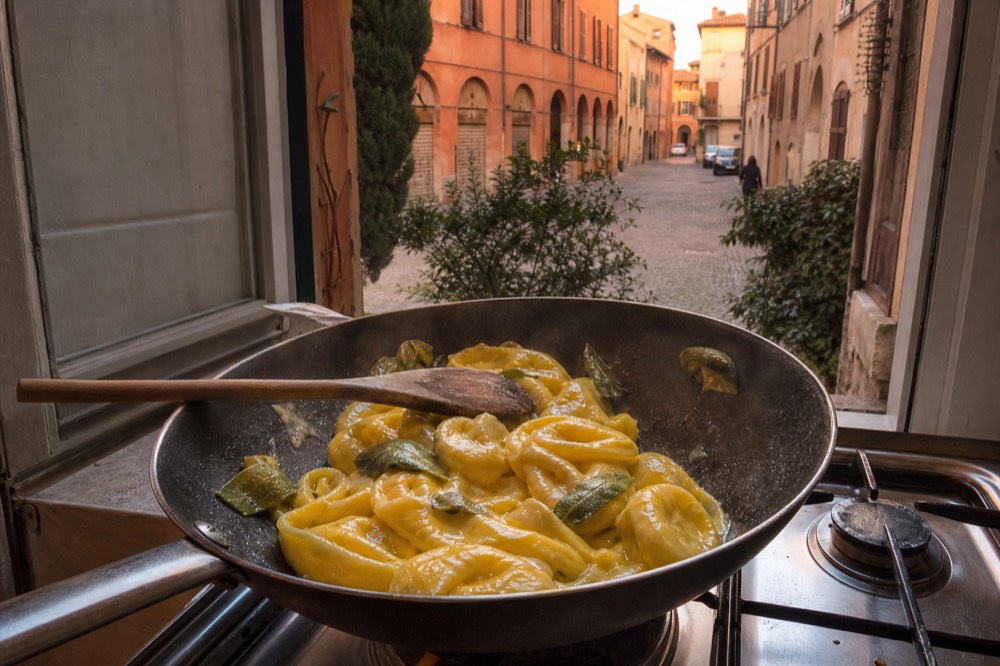
Learning the pairing logic by hand beats reading it. In a home kitchen on Via Emilia Est, host Maria Luisa Nicolini teaches tagliatelle and ricotta tortelloni and then serves them with the appropriate dressing, which is the moment the whole system clicks: you taste why the soft ricotta shape wants butter and the meat shape wants broth. See the next available dates for the tortelloni and tagliatelle class if you want the hands-on version of this answer.
The Balsamic Exception: A Few Drops Of DOP On Tortellini
There is one true Modenese exception to the no-sauce rule, and it involves no sauce at all: a few drops of Aceto Balsamico Tradizionale di Modena DOP, the traditional vinegar aged at least 12 years, dripped over buttered tortelloni or even over plain cooked tortellini. The traditional vinegar is cooked grape must and nothing else, aged through a graded battery of small barrels, and its syrupy sweetness-sourness is treated as a condiment, not a dressing.
The product rules are what make this work. Traditional Balsamic of Modena DOP must age a minimum of 12 years, in two grades, the standard and the Extra Vecchio at 25 years or more, and nothing may be added after cooking except the bacterial culture, per the consortium's production rules. That purity is why a few drops on pasta tastes like concentration rather than like vinegar. It is expensive, and it is used sparingly, which is the opposite of how a sauce behaves.
The confusion to avoid is with Aceto Balsamico di Modena IGP, the everyday bottled balsamic of supermarkets, which is a different product with wine vinegar added and a minimum of only 60 days in wood. Pouring that over tortellini the way you might over a salad is the mistake visitors make; it is sour and thin where the DOP is dense and sweet. The site's guide to traditional balsamic versus IGP breaks the two products down line by line.
| Product | What it is | Minimum ageing | Role on pasta |
|---|---|---|---|
| Aceto Balsamico Tradizionale di Modena DOP | Cooked grape must alone, barrel-aged | 12 years, or 25 for Extra Vecchio | A few drops as a condiment on buttered tortelloni |
| Aceto Balsamico di Modena IGP | Must with wine vinegar and caramel allowed | 60 days in wood | Salad and everyday use, not for tortellini |
| Melted butter with sage | Butter, sage, a little cooking water | None | Standard dressing for ricotta tortelloni |
| Capon or hen broth | Long-simmered clear poultry broth | Hours, same day | The classic bath for tortellini |
What Goes Into The Broth
A proper tortellini broth is made from capon or older hens, often with a piece of beef for depth, simmered with onion, carrot and celery, then strained and skimmed until it runs clear. It is salted carefully and served very hot, so the tortellini cook in it for the last minute or two and arrive at the table still moving. The broth is tasted and adjusted on its own merits; it is a dish, not a cooking liquid.
The capon is the festive choice, the bird of Christmas and the Sunday table, and its gelatinous body gives the broth a slight silkiness that a young chicken cannot. Older hens, the kind that have spent a year laying, give more flavour and less meat, which is precisely what the pot wants. Some households add a beef shank or a marrow bone; every family has a version, and every version is defended.
The filling inside the tortellini leans on Parmigiano Reggiano, and the cheese's own rules explain why it behaves so well there (see Parmigiano vs Parmesan). The wheel ages a minimum of 12 months, is made of only milk, salt and rennet with no additives, and is naturally lactose-free within the first two days of making, facts the Consorzio's own FAQ states plainly. That is why the cheese can carry the filling's savoury weight without making it sweet or greasy.
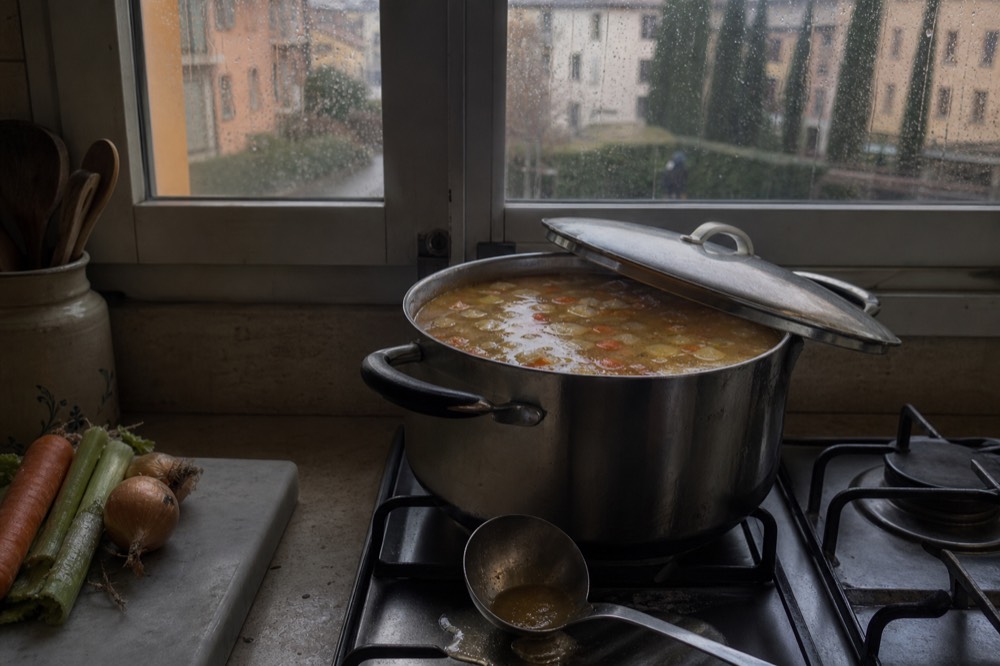
One practical note for travellers: tortellini in brodo is a restaurant dish you order, not something you assemble, so the broth quality varies with the kitchen. The better trattorie make their own; a few use a shortcut. A bowl served with broth that tastes mainly of salt is the tell. The where to eat in Modena guide names the kitchens that do the long simmers, and it is worth checking opening days before you commit, since closing days in Modena are per venue, with Sunday and Monday the common ones.
Lambrusco With Tortellini In Brodo
The drink that lands beside the bowl is usually Lambrusco, the local sparkling red, and the pairing logic mirrors the food logic: the dry secco style cuts through the rich filling and the fat that floats on the broth. Lambrusco is made across a full range from secco to dolce, and it is the dry style that gets poured alongside Modena food, a distinction the region's producers are careful about.
Lambrusco has six DOC denominations, four of them in Modena province: Sorbara, Grasparossa di Castelvetro, Salamino di Santa Croce and Modena DOC, with Reggiano and Colli di Scandiano e di Canossa across the border in Reggio Emilia, as the consortium's denomination page sets out. Each denomination permits secco, semisecco, amabile and dolce versions, so the blanket claim that Lambrusco is simply "dry, not sweet" is wrong; the accurate version is that the dry style is the one Modena pours with its own food.
With tortellini in brodo, the local preference runs to Lambrusco di Sorbara, the pale, high-acid, violet-scented one, whose lightness suits a broth dish. With the richer meat courses that follow, Grasparossa, the darker, more tannic hill wine from Castelvetro, takes over. If you want to taste the denominations side by side rather than trust a paragraph, the Lambrusco tastings in Modena guide lists the cellar visits where they are poured next to each other.
Learn To Roll It Yourself: Pasta Classes In Modena
The fastest way to understand the sauce question is to make the pasta it hangs on. Modena's home cooking classes put you at a board with a rolling pin, and by the time you have cut a sheet into tortelloni and folded a few tortellini, the reason each shape gets its own dressing is obvious in your hands. Classes run from two hours in a city kitchen to full mornings that start in the market.
The formats differ more than the prices suggest. The Cesarine network runs private classes in real Modenese homes: one host offers a two-hour private tortellini class at €135 per adult, and another a three-hour two-pasta-plus-tiramisu class at €129 per guest with a maximum of three people, small enough that the rolling technique actually gets corrected. The longest format pairs the market with the kitchen, so you shop for the filling's ingredients first and roll them into pasta afterwards.
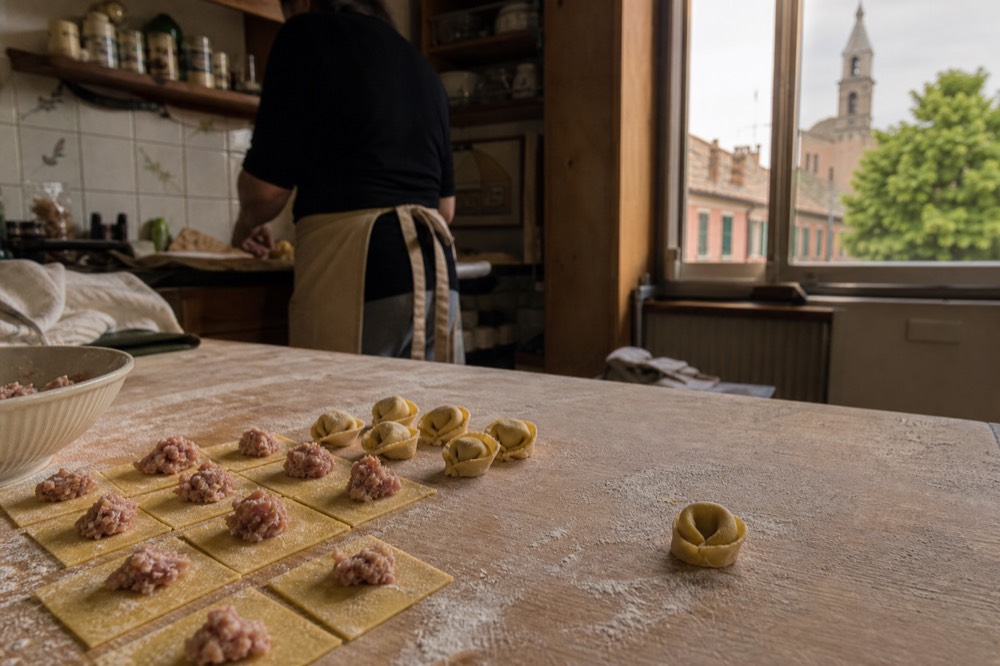
For a first visit, the shorter private class is usually the better fit: you learn two shapes, you eat what you rolled, and you come out able to explain to anyone back home why the tortellini went into broth. Check the current price of the private home class before you book, since formats and dates shift with the season.
What To Order If You Want Sauce Anyway
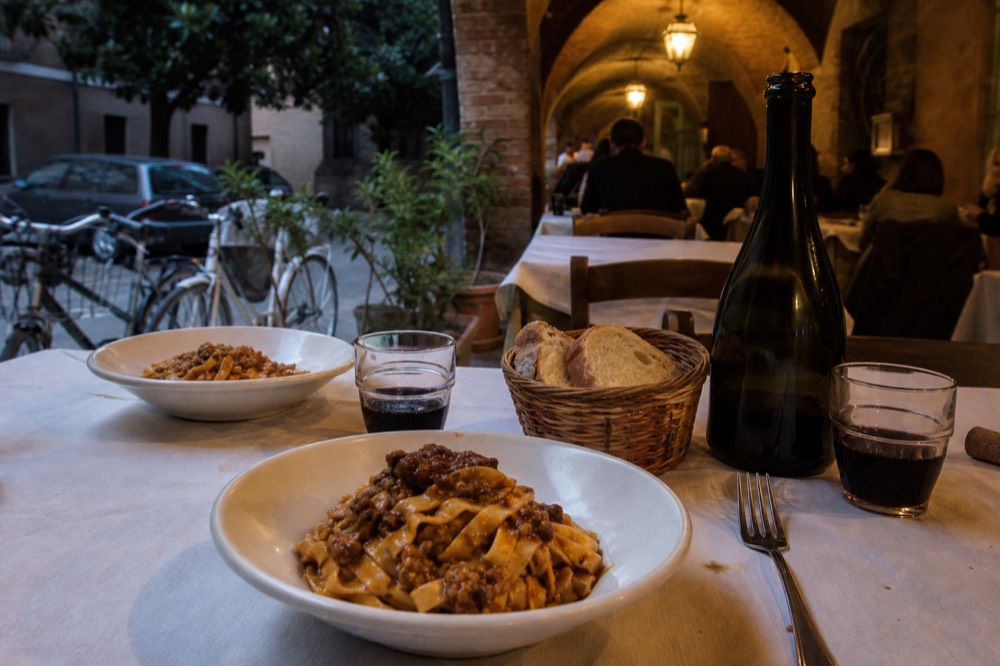
If you arrive in Modena determined to eat stuffed pasta with a sauce, order tortelloni al burro e salvia and you will be served exactly that, legitimately and happily. Ordering tortellini with a cream sauce is the one move that will get you a raised eyebrow, because it is read as drowning the city's signature pasta. Ragù exists everywhere in Modena, but it comes with tagliatelle, and that pairing is not negotiable either.
The honest framing is that Modena does not lack sauce, it assigns sauce (see Days in Modena). Ragù alla bolognese, the slow meat sauce, is on nearly every menu, poured over tagliatelle or layered into lasagne. Butter and sage covers the vegetable-filled shapes. Broth covers the small meat-filled one. A few drops of traditional balsamic finish the festive plates. Ask for any of those and you are eating like a local; ask for alfredo on tortellini and you have imported a dish that does not exist here in that form.
| You want... | Order this | Notes for visitors |
|---|---|---|
| Stuffed pasta in sauce | Tortelloni burro e salvia | Ricotta or pumpkin filling, butter not cream |
| The classic Modena bowl | Tortellini in brodo | The signature dish, served piping hot |
| A red meat sauce | Tagliatelle al ragù | The sauce Modena is famous for, on ribbons |
| Something festive | Tortelloni with a few drops of DOP balsamic | Traditional 12-year vinegar only, used by the drop |
| To make it yourself | A home pasta class | Two to four hours, formats and prices above |
If you are still weighing Modena against its neighbours for a food trip, the comparison piece on Bologna or Modena covers how the two cities divide the same cuisine between them, and the cooking classes in Modena guide lists every format worth your morning (see Best Day Trip From Bologna). Whichever you pick, the bowl you will remember is the broth one.
The questions below cover the practical versions of everything above: whether broth counts as soup, which balsamic can touch the pasta, how tortellini differ from tortelloni, what to drink alongside the bowl, and where to learn the folding by hand. Each answer is short and stands alone, so you can check the one you came for and skip the rest.
Common Questions About Tortellini In Modena
What Sauce Do Italians Eat With Tortellini?
Mostly none: tortellini are served in capon or hen broth, in brodo, especially in Modena and Bologna. The filling of pork loin, prosciutto and Parmigiano Reggiano is already rich, so the broth adds flavour without competing. Sauces like butter and sage are reserved for the larger tortelloni.
Is Tortellini In Brodo The Same As Soup?
It is closer to a pasta course served in broth than to a soup. The broth is made separately, strained and skimmed, and the tortellini cook in it for the final minute. The liquid is meant to be eaten with a spoon alongside the pasta, and a good one tastes fully seasoned on its own.
Can You Put Balsamic Vinegar On Tortellini?
Yes, but only Aceto Balsamico Tradizionale di Modena DOP, the traditional vinegar aged at least 12 years, and only a few drops, usually over buttered tortelloni. The everyday IGP balsamic of supermarkets is a different product with wine vinegar added and is not used this way.
What Is The Difference Between Tortellini And Tortelloni?
Size and filling. Tortellini are small, meat-filled and served in broth. Tortelloni are larger, usually filled with ricotta and spinach or pumpkin, and served with butter and sage or a drop of traditional balsamic. The sauce logic follows the filling: rich fillings take broth, plain fillings take sauce.
What Wine Do Modenese Drink With Tortellini In Brodo?
Usually a dry Lambrusco, most often Lambrusco di Sorbara, the pale, high-acid denomination. Lambrusco is made in styles from secco to dolce across six DOC denominations, and the dry secco style is the one poured with local food.
Where Can I Learn To Make Tortellini In Modena?
Home cooking classes through the Cesarine network and independent hosts run from about two hours to a half day, some starting with a market visit. Prices currently run from around €90 to €150 per person depending on format and length, and private options are common.