Is It Better To Visit Parma Or Modena?
Parma and Modena share Parmigiano Reggiano country but split sharply on what a visitor can walk inside. This comparison breaks down the products, the access, the transport and the tables.
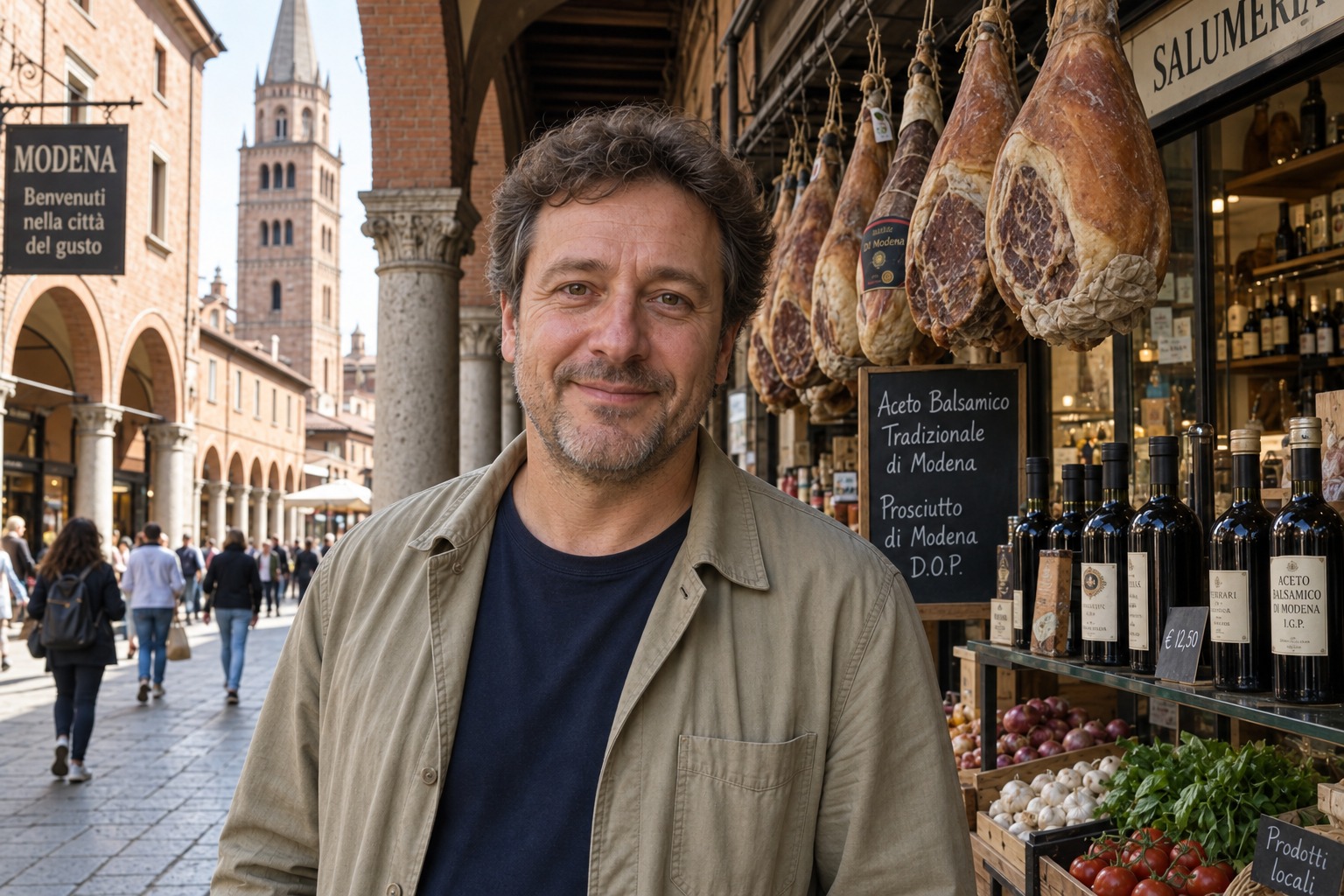 By Marco Montanari, Modena food tour guide and Emilian culinary specialist
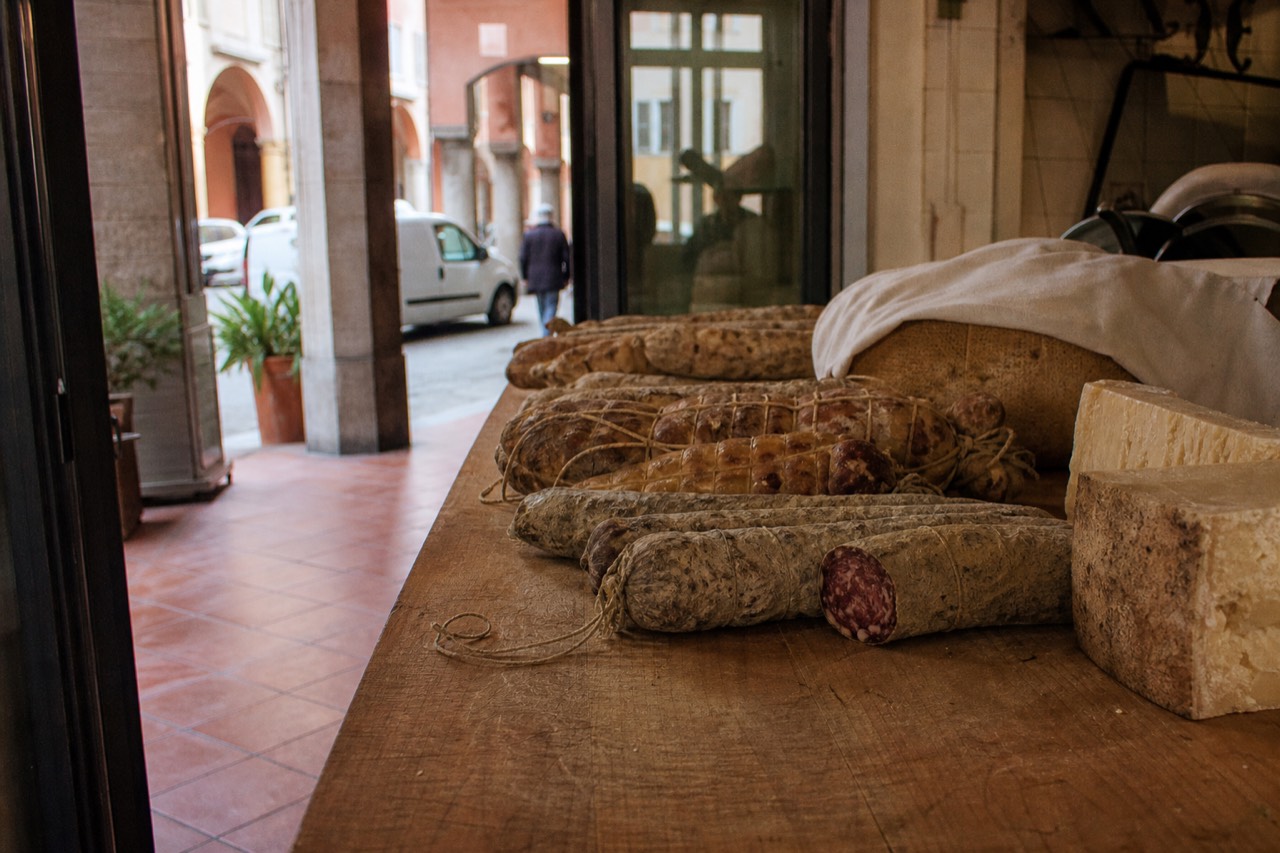
Parma and Modena are the two heavyweight food cities of Emilia-Romagna, and they sit close enough that travellers treat them as either-or. Both provinces make Parmigiano Reggiano under the same DOP rules, both have serious restaurant cultures, and both are an easy stop on the Milan-to-Bologna line. The real difference is not quality. It is access. Modena's food identity is built around places you can walk into: working dairies that take daily reservations, family acetaie with barrel lofts open to the public, a covered market that has traded since 1931, and a museum district you can reach by city bus. Parma's identity is built around products whose homes are mostly closed doors and countryside estates, with the city itself carrying the eating.
This guide compares the two honestly, product by product and door by door, so you can match the choice to what you actually want from a day or two in the valley. It sits alongside the rest of our Modena coverage, and if you want the full picture of what the city can offer a food traveller, start with Food Tours in Modena and work outward from there.
Is It Better To Visit Parma Or Modena?
Modena is the better choice for most food travellers, because its signature products come with places you can visit: dairies that book daily tours, acetaie that open their barrel lofts, and a walkable food market in the centre. Parma is the better choice when the priority is the table itself, slower dining, cured meats, and a grander, more elegant cityscape.
The comparison is genuinely close, which is why the question gets asked so often. Both cities sit inside the Parmigiano Reggiano production zone, which the Consorzio defines as the provinces of Parma, Reggio Emilia, Modena, Bologna left of the river Reno, and Mantova right of the Po. The cheese rules are identical on both sides of the border: milk, cheesemaking, minimum ageing and packing all happen inside that zone, every wheel carries a casein plate with a traceability code, and the fire brand goes on only at 12 months, after hammer testing, to wheels that pass. You can read the full mark-by-mark system on the Consorzio's own site.
Where the two cities diverge is what surrounds the cheese. Modena adds two products Parma cannot claim: Aceto Balsamico Tradizionale di Modena DOP, whose grapes, ageing and bottling must all happen inside the province of Modena, and a Lambrusco culture spread across four DOC denominations that sit inside the province. Parma answers with its cured-meat tradition and a dining scene that runs deeper into formal, sit-down territory. Neither city wins on food quality. They win on different kinds of days.
For travellers who want to see production rather than just taste the results, Modena has the denser offering of bookable visits, and that is the single biggest factor in the comparison.
What Can You Actually Walk Inside In Each City?
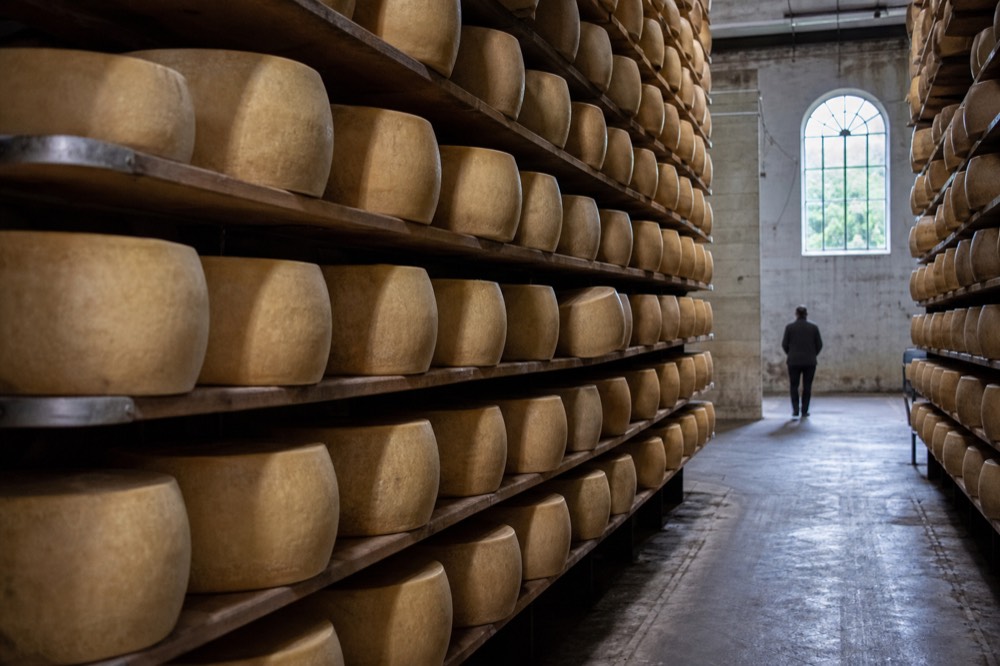
Modena's key food sites are mostly visitable by reservation: dairies run daily tours, acetaie open their barrel rooms, and the balsamic museum in Spilamberto keeps fixed hours. In Parma, the equivalent producers are harder to reach as a casual visitor, and the city's food life concentrates in restaurants and shops rather than working premises.
Start with the dairies, because this is the comparison's most concrete ground. In Modena province, 4 Madonne Caseificio dell'Emilia at Lesignana runs guided visits every day of the week, by reservation only, lasting about an hour, with a tasting of four ages of Parmigiano Reggiano plus ricotta, tosone and pairings. Production happens in the morning, and the dairy itself says afternoon tours cover that stage on video instead of live. That is the honest framing for every dairy in the zone: book a morning slot if you want the copper vats in action. The Consorzio also runs its own booking page for tourist visits to dairies across the whole DOP area, including Parma province, so Parma-side visits exist, but they are typically further out from the city centre and less bundled with other stops.
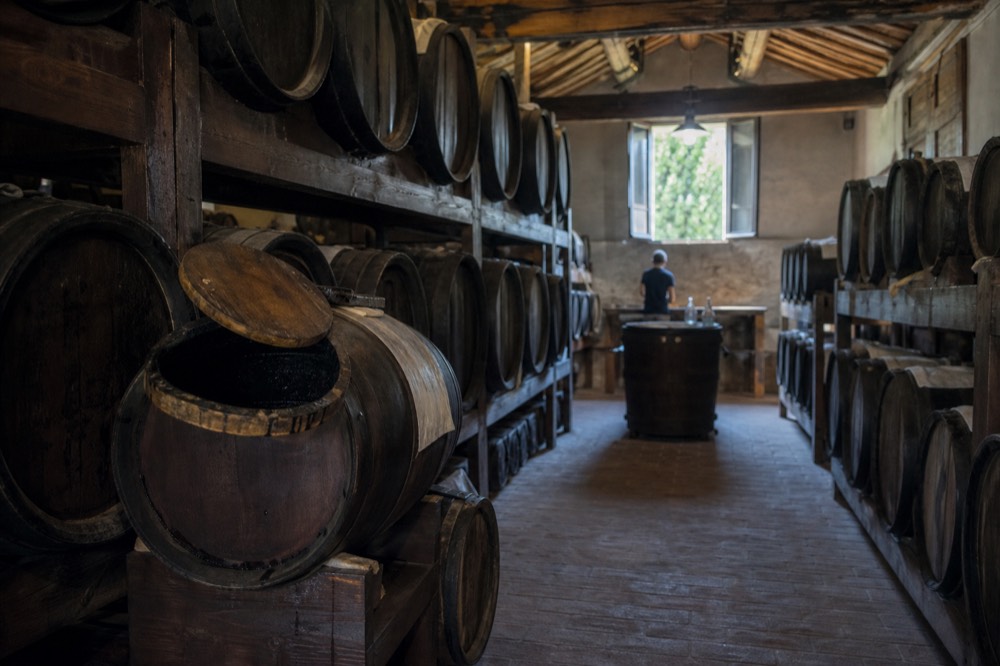
Then the split widens. Modena province is the only place where Aceto Balsamico Tradizionale di Modena DOP can legally be aged and bottled, and many acetaie take booked guided visits; the DOP consortium's own FAQ notes the tasting on such a visit is free, and you pick an acetaia from its interactive map and contact it directly (see Free Things In Modena). Parma has no equivalent: the traditional balsamic world simply does not exist there, and the IGP vinegar, which may be made in both Modena and Reggio Emilia provinces, is a different, faster product. Add the Museo del Balsamico Tradizionale at Spilamberto, open Tuesday through Sunday with guided visits at fixed times, and Modena's side of the ledger fills up fast.
The comparison below sums up the access question.
| Food site type | Modena side | Parma side |
|---|---|---|
| Working Parmigiano dairy with daily booked visits | Yes, several in the province, some with transfer-included tours | Yes, bookable via the Consorzio's visit platform, mostly further afield |
| Traditional balsamic acetaia visits | Yes, exclusive to Modena province by law | Not applicable, the DOP cannot be made there |
| Dedicated product museum | Museo del Balsamico Tradizionale, Spilamberto, fixed hours and guided times | Food museum circuit exists but requires more planning |
| Covered central food market | Mercato Albinelli, stalls Monday to Saturday 07:00-15:00 | Smaller market presence in the centre |
| Wine cellar visits in the immediate area | Lambrusco cellars at Nonantola and Castelvetro, both reachable by bus | Fewer, and further from the city |
If seeing production is the point of your trip, this is where the decision effectively makes itself. A combined dairy-plus-acetaia day is Modena's signature move, and the Parmigiano Reggiano tours in Modena guide covers the mechanics of booking one.
The dairy-plus-acetaia combination is exactly what the Parmigiano and Traditional Balsamic day delivers: a working dairy in the morning while the vats are still running, then the barrel loft of a family acetaia, both explained by the people who run them. It is the most efficient way to see both halves of Modena's food identity in a single day, and it is worth checking the next available dates early, because morning dairy slots are the ones that sell first.
One practical note before you commit: the morning timing is not a marketing flourish, it is the whole point. The curd break, the lifting of the twin wheels, and the salting-room stage all happen before midday, so a late start means you taste excellent cheese but watch the making on a screen. If your itinerary only allows an afternoon, the day still works, just plan it knowing what you will and will not see live.
How Do The Two Cities Compare Product By Product?
Both cities share Parmigiano Reggiano, made under identical DOP rules. Modena alone has traditional balsamic DOP and four of the six Lambrusco DOCs. Parma counters with its cured-meat tradition and a stronger formal-dining identity. The product overlap is smaller than it looks.
The cheese is genuinely shared. Minimum ageing is 12 months, there is no maximum, and 24 to 36 months is the commonest age on sale, on both sides of the provincial line. The rind is edible, the cheese is only milk, salt and rennet, and the white crunch inside is tyrosine crystals, which grow with age. A wheel from a Parma dairy and a wheel from a Modena dairy follow the same rulebook; the differences are dairy-by-dairy, not city-by-city.
The vinegar is not shared at all, and this is where travellers get confused. Aceto Balsamico Tradizionale di Modena DOP is cooked grape must, aged a minimum of 12 years, with only two legal grades: Affinato at 12 years and Extra Vecchio at a minimum of 25. Aceto Balsamico di Modena IGP is a different product, made with must plus at least 10% wine vinegar and matured a minimum of 60 days in wood. The DOP's zone is Modena province only; the IGP covers Modena and Reggio Emilia. Parma has neither. If traditional balsamic matters to you, the choice is made before you pack, and the DOP versus IGP comparison explains the full rule set.
The wine picture also leans Modena's way for visitors. The Consorzio Tutela Lambrusco covers six DOC denominations, and four of them, Sorbara, Grasparossa di Castelvetro, Salamino di Santa Croce and Modena DOC, sit inside Modena province. Every one of the six permits secco, semisecco, amabile and dolce styles, and the dry secco style is what gets poured alongside Modena food; the old blanket claim that Lambrusco is simply dry does not hold, as the consortium's denomination pages make clear. Parma's surrounding hills lean on still whites from a different tradition, and there is no equivalent sparkling-red culture wrapped around the city's food identity (see Lambrusco vs Prosecco).
| Product | Made around Modena | Made around Parma | Can a visitor see it made? |
|---|---|---|---|
| Parmigiano Reggiano DOP | Yes, whole province | Yes, whole province | Yes, booked dairy visits in both |
| Traditional balsamic DOP, 12 or 25 years minimum | Yes, exclusive | No | Yes, acetaia visits in Modena province |
| Balsamic IGP, 60 days minimum | Yes | No, Reggio Emilia and Modena only | At some producers |
| Lambrusco, four DOCs in province | Yes | No | Yes, cellars at Nonantola and Castelvetro |
| Cured pork tradition | Present but secondary | The city's core identity | Limited, mostly closed-door estates |
Parma's counterweight is real. Its cured-meat tradition, its opera and music identity, and its more formal restaurant culture give it a personality that is calmer and grander than Modena's market-and-workshop energy. Travellers who want long lunches in elegant rooms and less driving between producers often prefer it, and that preference is legitimate. But if the trip is built around seeing food made, the product table above is the answer.
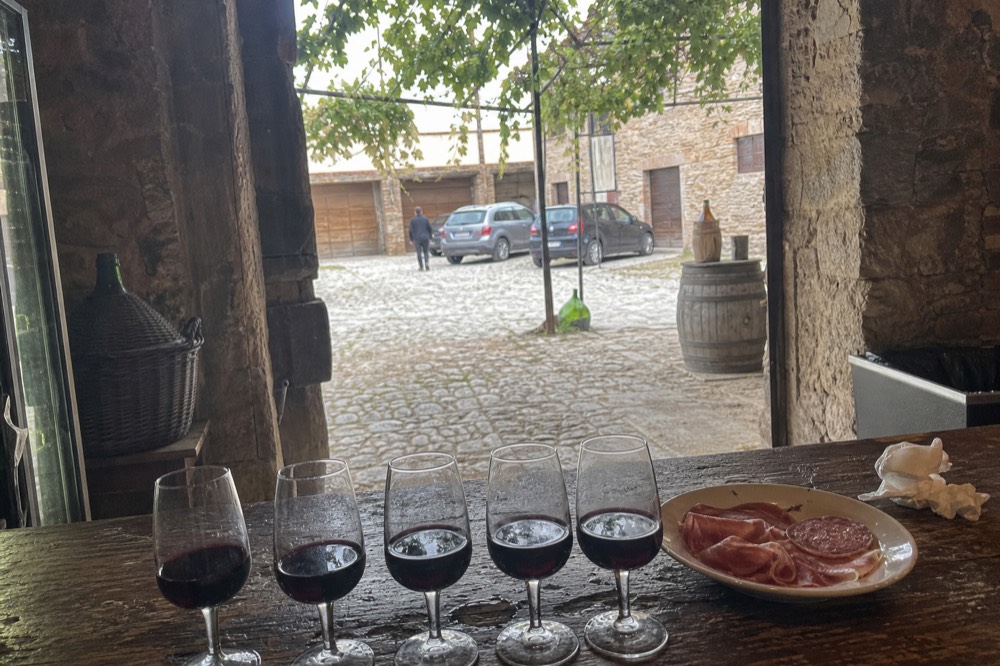
Which City Is Easier Without A Car?
Modena is easier car-free, because its key producers and museums sit on published bus lines: line 800 to Maranello, line 500 to Lesignana for the 4 Madonne dairy, line 740 to Castelvetro, line 731 to Spilamberto. Parma's producers are more scattered and typically need a car, a tour with transport, or a taxi.
The bus network around Modena is unusually good for a province this size, and the times are read straight off SETA's own timetables. Line 800 runs from Modena Autostazione to Maranello in 27 to 31 minutes, with Sunday service included, which is also how you reach the Ferrari museum for the motors-and-food day (see Maranello Worth It?). Line 500 reaches Lesignana, where the 4 Madonne dairy is, in 9 to 11 minutes. Line 740 reaches Castelvetro in 41 to 47 minutes, putting the Grasparossa hill cellars within reach. Line 731 links Modena with Spilamberto and its balsamic museum. None of these requires a car, and the Modena day trip from Bologna guide shows how the pieces chain together.
Parma is not hostile to car-free visitors, but its food geography is different. The dairies sit in the countryside, the cured-meat producers are estates in the fog country along the Po, and the distances between them are longer and less well served. In practice, car-free travellers in Parma either book a tour with transport included, hire a driver for the day, or stay in the city and let the restaurants carry the trip. All three work, but they change the shape of the day: less wandering through working premises, more sitting at tables.
One honest caveat cuts both ways: we do not publish walking times from bus stops to specific venues, because none has been route-checked, and the same caution applies to train times between Modena and Parma, which we have not verified against the operator. Plan the connections with a map, not with a blog's rounded number.
| Practical factor | Modena | Parma |
|---|---|---|
| Producers reachable by scheduled bus | Several, on published SETA lines | Few, mostly needing car or tour transport |
| City-centre food market | Mercato Albinelli, walkable, stalls Monday to Saturday | Lighter market presence |
| Food-plus-motors day without a car | Yes, bus 800 and museum shuttle options | Not applicable |
| Typical car-free day shape | Dairy, acetaia, market, cellar, all in one arc | City dining, shops, one booked excursion |
| Best fit | Visitors who want to see production | Visitors who want to eat and stroll |
The transport gap is the quiet deciding factor for a lot of travellers. Two people with a rental car can build an equally rich day out of either city. Two people on foot and buses will find Modena gives them more without one.
Which City Has The Better Table And Atmosphere?
Parma's dining scene is more formal and slower, built around long restaurant meals. Modena's is broader: market counters, a home-cooking class culture, and a restaurant that has twice topped the World's 50 Best list. Atmosphere-wise, Parma feels grander and pinker, Modena feels busier and more workmanlike.
Modena's restaurant reputation is dominated by one address. Osteria Francescana was voted The World's Best Restaurant in 2016 and in 2018, and now sits in The World's 50 Best "Best of the Best" group, whose members are no longer eligible for the annual list (see Francescana Worth It). Getting in is its own project: bookings open on a published calendar roughly six months ahead, a credit card is mandatory, a EUR 300 per person authorisation hold is placed four days before, and free cancellation runs up to 96 hours ahead. No tour on this site or any other gets anyone a table there, and anyone claiming otherwise is selling something. The full mechanics are in the Osteria Francescana booking guide (see Francescana Cost Per Person).
But a city's table is more than its hardest reservation. Modena's everyday eating runs through Mercato Albinelli, which has traded since 1931 and keeps 49 stalls and six bars and restaurants, through the tigelle and gnocco fritto counters of the old centre, and through a cooking-class culture where you roll pasta in a Modenese home kitchen and eat what you made (see Cooking Class Costs). Parma's everyday eating leans the other way: fewer working-market moments, more classic trattorie and salumerie, and a rhythm that suits a two-hour lunch. Both cities eat extremely well. Modena's version has more entry points at more price levels.
The atmosphere split follows the same line. Parma is a graceful, theatrical city, pink-stone and opera-minded, with wide streets and a calmer centre. Modena is a working provincial capital with a Romanesque cathedral, a market crowd in the mornings, and a student energy that keeps the evenings loud. Neither is objectively better. Travellers who want beauty and calm lean Parma; travellers who want friction and flavour lean Modena.
So Which Should You Choose For Your Trip?
Choose Modena if you want to walk inside dairies, acetaie and cellars, if you are car-free, or if you want food and motors in one trip. Choose Parma if the trip is about long restaurant meals and a grander cityscape, or if you have a car and want countryside estates. With two days, do both, they are a short train ride apart.
The decision matrix is simple once the access question is settled. If seeing food being made is the core of the trip, Modena wins on density and exclusivity: it is the only province where the traditional balsamic DOP exists at all, its dairies book daily, and its buses reach the producers. If the core is the table, Parma's slower, more formal dining culture and its cured-meat identity make it the stronger single-city choice, especially for travellers who would rather not plan a week of reservations six months out.
The self-drive and chauffeured combination days are worth a look for the Parma-curious who land in Modena anyway, since several cover the dairy, an acetaia and a cellar in one arc with transport handled. Check the current price before you plan the day around one, because combination days vary with the season and the group size.
For the two-city traveller, the practical order is Modena first, Parma second. Modena's morning dairy slots and acetaia visits need booking ahead, while Parma rewards a slower arrival, a walk, and a long lunch. Doing them in that order means the production-heavy half of the trip is locked in before the leisurely half begins, and nothing urgent is left to the last day.
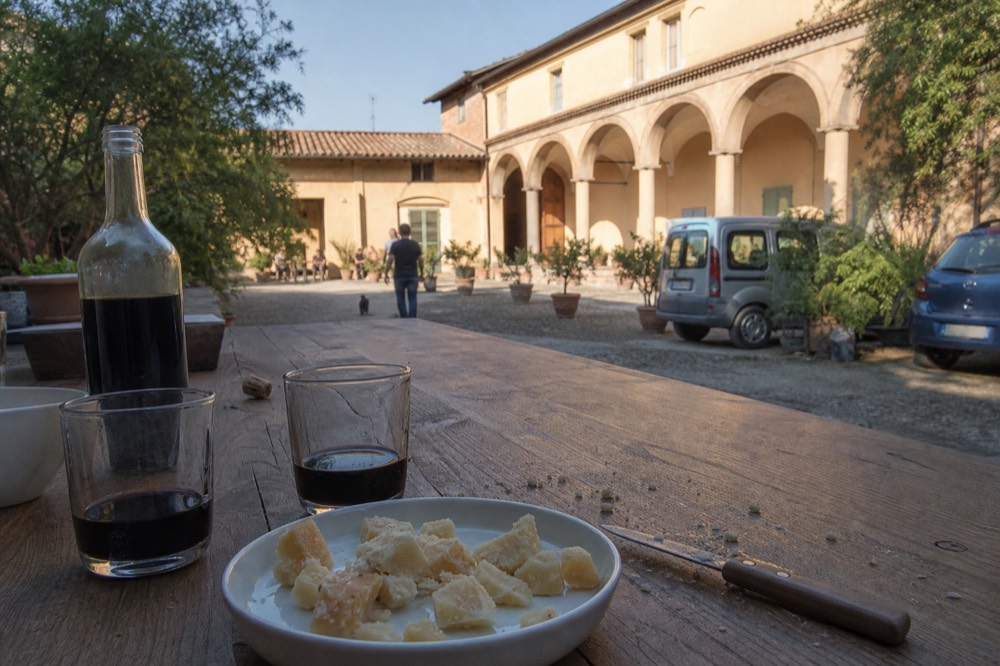
The Cavedoni cellar at Levizzano Rangone, about 25 kilometres out, is the deep-cut version of the acetaia visit: a seven-generation family cellar claiming the oldest documented balsamic production in Modena, a walk through the vineyard, then a tasting of five vinegars from young to very old. It is the kind of door that simply does not exist on the Parma side of the border, and it makes the Modena case about as well as a single stop can. If that format appeals, see the next available dates before committing the rest of the itinerary.
The short answers: Modena wins on visitable producers, exclusive traditional balsamic, Lambrusco cellars and car-free logistics, while Parma wins on formal dining, cured meats and a grander, calmer cityscape. Both share identical Parmigiano Reggiano rules, and with two days you can comfortably do both cities in one trip.
Common Questions About Parma Versus Modena
Is It Better To Visit Parma Or Modena?
Modena is better for most food travellers because its producers are visitable: dairies with daily booked tours, acetaie with open barrel lofts, and bus-reachable cellars. Parma is better when the priority is formal dining and a grander, calmer city. With two days, visit both.
Can You See Parmigiano Reggiano Being Made In Both Cities?
Yes. The DOP zone covers both Parma and Modena provinces, the rules are identical, and dairies on both sides take booked visits. Production happens in the morning; afternoon tours cover the cheesemaking stage on video rather than live, so book a morning slot to see the vats.
Does Parma Have Traditional Balsamic Vinegar?
No. Aceto Balsamico Tradizionale di Modena DOP must have its grapes, ageing and bottling all inside the province of Modena. Parma cannot make it. The IGP vinegar is also limited to Modena and Reggio Emilia provinces.
Which City Is Easier Without A Car?
Modena. Its producers sit on published SETA bus lines: line 500 to Lesignana for the 4 Madonne dairy, line 740 to Castelvetro, line 731 to Spilamberto, and line 800 to Maranello. Parma's producers are more scattered and usually need a car or a tour with transport.
Is Osteria Francescana A Reason To Pick Modena?
It is a draw, but plan realistically. Reservations open roughly six months ahead on a published calendar, a credit card is mandatory, and a EUR 300 per person authorisation hold is placed four days before. No tour gets you a table there. Modena's everyday eating, from the market to home cooking classes, is the more reliable pleasure.
Can You Visit Parma And Modena On The Same Trip?
Yes, easily. They are a short train ride apart on the Milan-to-Bologna line, and many travellers base in one and day-trip to the other. Do Modena first for its bookable morning producer visits, then Parma for the slower dining half of the trip.