Is Lambrusco Like Prosecco?
Lambrusco and Prosecco are both Italian sparkling wines, but they are made by different methods, from different grapes, for different plates. Here is what is actually in the glass.
 By Marco Montanari, Modena food tour guide and Emilian culinary specialist
Both wines sparkle, both are Italian, and both show up at celebrations, which is roughly where the resemblance ends. Prosecco is a white wine from the Veneto built on the Glera grape, almost always dry in the commercial sense, and made to be sipped on its own. Lambrusco is a family of red, and sometimes pink or white, frizzante and spumante wines from Emilia-Romagna, made from several different Lambrusco grape varieties, and built to sit beside food rather than replace an aperitif. The question "is Lambrusco like Prosecco?" is really a question about method, sweetness and what is on the plate, so that is how we will answer it.
Is Lambrusco Like Prosecco?
No, and the difference is structural, not just stylistic: Lambrusco is a family of mostly red sparkling wines from Emilia-Romagna made from several Lambrusco varieties and sold across the full sweetness range, while Prosecco is a white sparkling wine from the Veneto made almost exclusively from the Glera grape in a predominantly dry style. They share bubbles and an Italian passport, and almost nothing else that matters in the glass.
The two wines even hold their bubbles differently. Most Prosecco is fully sparkling, spumante, with the steady bead you expect from a celebration wine. Most Lambrusco, by contrast, is frizzante, a gentler, lower-pressure fizz, and that softer style accounts for the bulk of production. That softer prickle is not a defect. It is the reason the wine can be poured through an entire Emilian meal, course after course, without fatiguing the palate.
There is also a color difference that surprises people who only know Lambrusco from a sweet import decades ago. Lambrusco is usually red, deep ruby in the case of Salamino di Santa Croce, or a purplish pink in the case of Sorbara, and there are white and rosato versions inside the Modena DOC. Prosecco is pale straw yellow, sometimes with greenish hints. If someone pours you something purple-pink and lightly fizzy in Modena, it is Lambrusco, not Prosecco.
The comparison is worth making properly because the two wines keep getting swapped for each other in shops and at parties, usually with the assumption that one is simply a cheaper or sweeter version of the other. Neither is true. They come from different regions, different grapes and, in large part, different winemaking traditions, and the rest of this article breaks those differences down one by one.
How Are The Two Wines Actually Made?
Prosecco is made almost entirely by the Charmat, or tank, method: a still base wine undergoes its second fermentation in a pressurized steel tank, which preserves the grape's fresh fruit and keeps costs down. Lambrusco is also commonly made by the tank method, but a meaningful share is made by the traditional in-bottle method, including the ancestral style, where the second fermentation happens in the very bottle you are served.
The tank method is the shared thread, and it explains why both wines taste fruity and fresh rather than bready. In a tank, the second fermentation is short and cool, the wine is filtered and bottled under pressure, and the primary aromas of the grape survive intact. For Glera, that means orchard fruit and flowers. For Lambrusco varieties, it means red and black berries, violets in the case of Sorbara, and a darker, plummier fruit in Grasparossa.
The divergence is in the exceptions. A slice of Lambrusco production uses the classic method, with the second fermentation in bottle and a period on the lees, which gives those wines a rounder texture and subtler bubbles than any tank-made Prosecco. The ancestral method, where the wine finishes fermenting in bottle without disgorgement, leaving a light haze, has a small but devoted following among Emilian producers. Prosecco has its own bottle-fermented cousin in Col Fondo, but the mainstream product you find everywhere is tank-made.
The sweetness control also works differently. Both wines are dosed to a target sweetness after fermentation, but Lambrusco's targets span a genuinely wide range. Every one of the six Lambrusco DOC denominations permits secco, semisecco, amabile and dolce versions, which is the full ladder from bone dry to dessert-sweet. Prosecco's commercial range runs from brut nature to extra dry, with the bulk of the market sitting in the brut and extra dry band. That is a much narrower corridor.
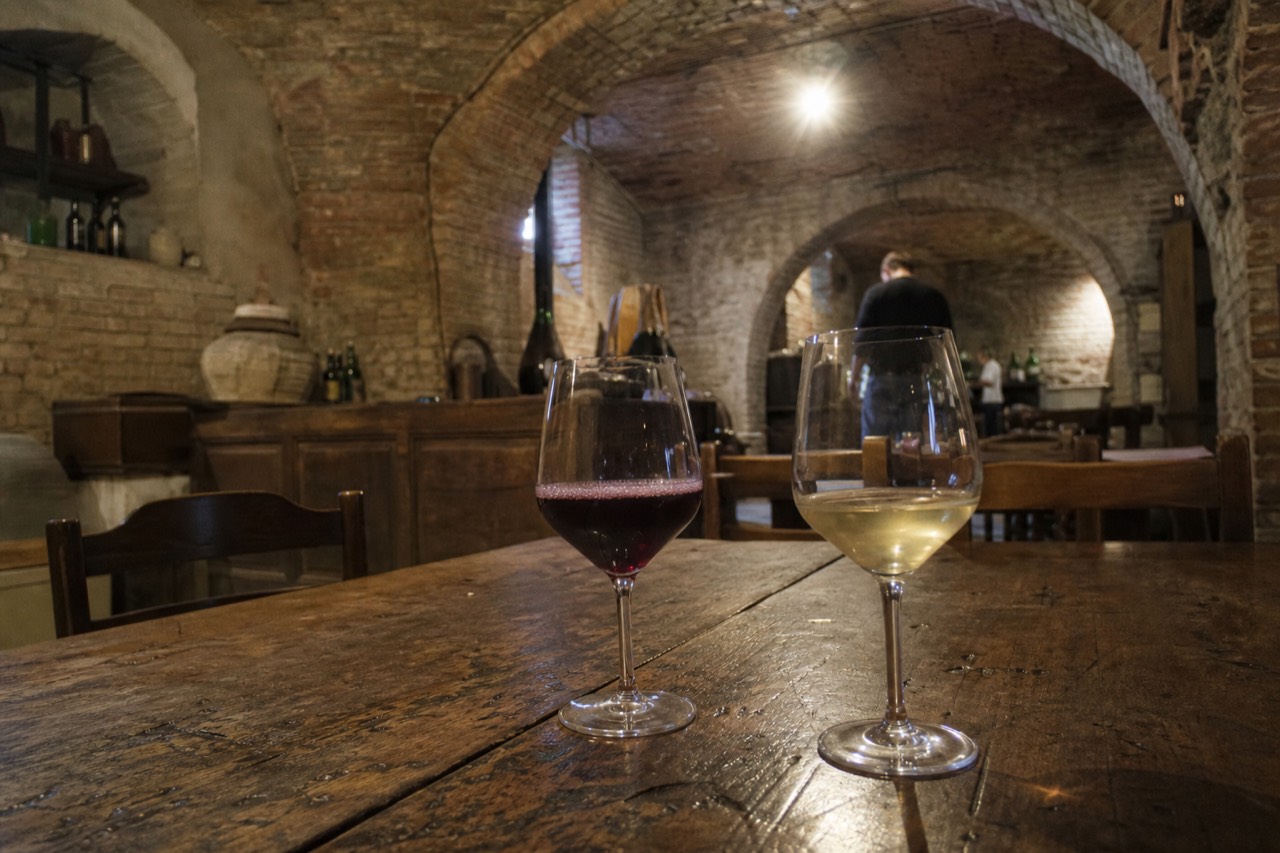
If you want to see the tank method and the barrel room explained by the people who actually run them, there are cellar visits around Modena that cover it, and you can check current availability on the operator's live listing (see Balsamic Grades).
The Consorzio Tutela Lambrusco, the body that protects the denominations, lays out the full picture of what the name covers on its consortium page, and it is a more varied picture than the export market ever showed.
| Aspect | Lambrusco | Prosecco |
|---|---|---|
| Home region | Emilia-Romagna, centered on Modena and Reggio Emilia | Veneto, with the DOCG zone in the hills between Conegliano and Valdobbiadene |
| Grape | Several Lambrusco varieties: Sorbara, Grasparossa, Salamino, Ancellotta and others | Glera, with small permitted additions |
| Usual color | Red, purplish pink, plus white and rosato inside Modena DOC | Pale straw yellow |
| Sparkle level | Mostly frizzante, a gentle lower-pressure fizz; spumante also made | Mostly spumante, fully sparkling |
| Sweetness range | Secco, semisecco, amabile and dolce, all permitted in every DOC | Mostly brut and extra dry |
| Typical serving role | Poured through a whole meal | Aperitif and light sipping |
What Does Lambrusco Taste Like Next To Prosecco?
A dry Lambrusco tastes of red berries and violets with a chalky, tannic edge that no Prosecco has, because Lambrusco is a red wine with skin contact and Prosecco is a white wine without it. Prosecco offers pear, apple and blossom aromas, a softer acidity and no tannin at all. One reads as a fruit-forward red with bubbles, the other as a delicate white with bubbles.
The tannin point deserves emphasis because it is the single most useful tasting cue. Grasparossa di Castelvetro, from the high plain and the hills around its namesake town, has the most pronounced body and tannin of the group, which is why it stands up to the fattiest plates of the Emilian kitchen. Sorbara is the pale one, violet-scented, high in acid, almost rosé-like in the glass. Salamino di Santa Croce sits in the middle: deep ruby, raspberry and cherry, medium-bodied, and drunk through a whole meal.
Prosecco, by contrast, is built around delicacy. Glera is a neutral-ish aromatic variety, and the tank method is chosen precisely to keep it that way, so the wine tastes of fresh fruit rather than fermentation or oak. Acidity is present but gentler than Sorbara's, and there is nothing structural to collide with food, which is exactly why it works so well as a drink on its own and so poorly against a plate of cured pork.
Then there is the sweetness question, which is where the old reputation gap lives. The Lambrusco that flooded export markets in earlier decades was mostly amabile and dolce, the sweet end of the range, and that version became the whole identity of the wine abroad. In Modena the story is different: the wine is made across the full range, and the dry, secco style is what gets poured alongside local food (see Is Modena Worth It). If you order Lambrusco at a trattoria in Modena and do not specify, you will usually be brought something dry.
| Lambrusco DOC | Province | Typical character |
|---|---|---|
| Lambrusco di Sorbara | Modena | Pale, purplish pink, violets and red fruit, high acid |
| Lambrusco Grasparossa di Castelvetro | Modena | Darkest of the group, most body and tannin, plum and blackberry |
| Lambrusco Salamino di Santa Croce | Modena | Deep ruby, raspberry and cherry, medium body, all-meal wine |
| Modena | Modena | Central band of the province; white, red, rosato and novello styles alongside Lambrusco |
| Reggiano | Reggio Emilia | Broad appellation, fruit-forward styles |
| Colli di Scandiano e di Canossa | Reggio Emilia | Hill zone, includes both Lambrusco and other varieties |
Four of those six denominations, Sorbara, Grasparossa, Salamino di Santa Croce and Modena, are in Modena province, which is why a wine-focused visit to the city puts you inside the heartland in under an hour. Our guide to Lambrusco tastings around Modena covers where to taste each style.
Which One Belongs On An Emilian Table?
Lambrusco does, and it is not a matter of local pride but of chemistry: the combination of brisk acidity, gentle fizz and, in the darker styles, real tannin cuts through the cured meats, fried dough and aged cheese of the Emilian kitchen in a way a delicate white sparkler cannot. Prosecco belongs before the meal or beside lighter plates.
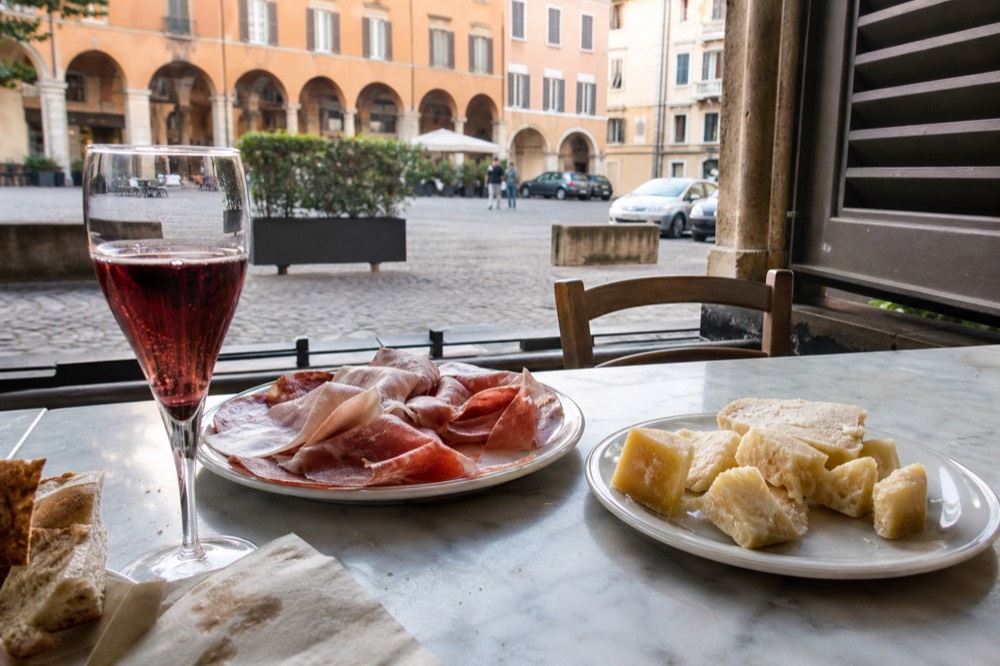
The classic pairings make the mechanics obvious. Gnocco fritto, the fried pillow of dough served with cold cuts, is grease and salt in their most lovable form, and a chilled dry Grasparossa scrubs the palate clean between bites. Tortellini in brodo, the Modenese signature, is a rich meat broth, and Sorbara's high acid keeps it from tasting heavy halfway down the bowl (see Tortellini and Broth). Aged cheese is the third leg: a tasting flight at a Lambrusco cellar typically pours the wine beside salumi and chunks of Parmigiano Reggiano DOP, and the salt of the cheese against the dry fruit of the wine is the whole argument in one bite.
Prosecco's strengths point it elsewhere. Its delicacy suits aperitivo hour, mild cheeses, fruit and anything you would otherwise serve a light white wine with. Set it against a plate of culatello or a slice of fatty pork and it simply disappears, which is not the wine's fault, it is the wrong job for the tool.
| Modena plate | Wine that works | Why |
|---|---|---|
| Gnocco fritto with salumi | Dry Grasparossa di Castelvetro | Tannin and fizz cut the fried dough and cured fat |
| Tortellini in brodo | Dry Sorbara | High acid lifts the rich meat broth |
| Bollito misto | Dry Salamino di Santa Croce | Medium body matches the mixed boiled meats through the meal |
| Aged Parmigiano Reggiano | Semisecco Lambrusco | A touch of residual sugar plays off the salt and crystals |
| Aperitivo, no food | Prosecco brut | Delicate fruit works best on an empty palate |
If you are planning a trip around the wine rather than the food, the calendar matters. The Sagra dell'Uva e del Lambrusco Grasparossa in Castelvetro di Modena runs 19 to 27 September 2026, a nine-day festival in the denomination's home town, and it is the single best week of the year to taste the style in situ.
Where Can You Taste The Difference Around Modena?
In the cellars of the Grasparossa and Sorbara country, within an hour of the city, where several producers run booked visits that pour their wines side by side so the style differences are visible in one sitting. A sommelier-led cellar tour at Nonantola ends on three styles poured together, and a hillside estate at Castelvetro pours Grasparossa next to its own balsamic vinegar in the same room.
The sommelier-led option is the one to pick if your question is exactly the one in this article's title. Walking a working cellar and its wine museum at Nonantola, then tasting three Lambrusco styles poured side by side, is the fastest way to see how much variation sits inside one name. Check the next available dates on the live listing before you build a day around it.
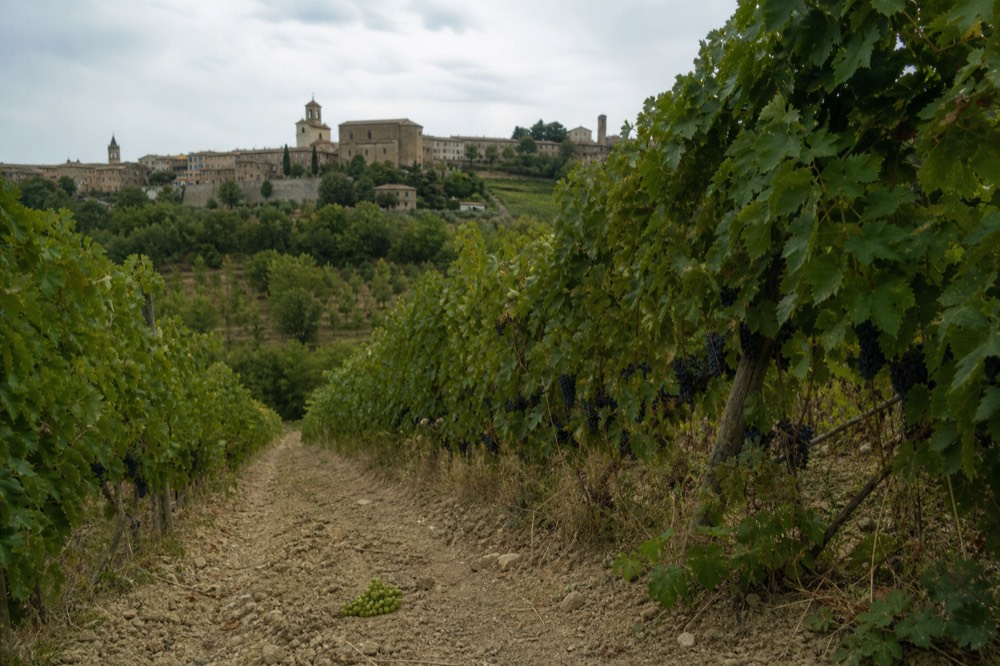
At Castelvetro, Fattoria Moretto, a small family estate in the Grasparossa hills, covers the vineyard as well as the cellar before the wines are poured, which matters if you want to see the dark-skinned variety on the vine rather than only in the glass. The estate pours its organic Grasparossa wines at the end of the walk; see the current price on the operator's listing before you plan the drive.
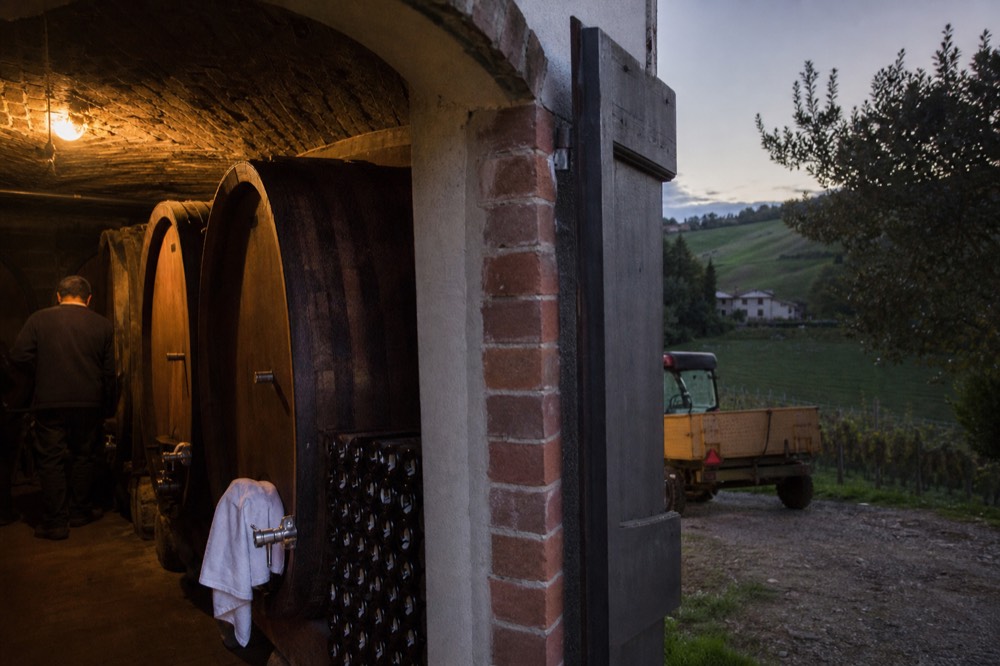
Opera 02, a hillside estate at Ca Montanari, makes both the wine and the vinegar, so one short tasting covers Grasparossa and an acetaia in the same room, a useful shortcut if you want the two protected products of the province in a single stop. The vinegar made there is Aceto Balsamico di Modena IGP, the larger denomination, not the 12-year DOP, and the distinction between the two is worth knowing before you taste; the IGP consortium explains how that product is made on its own site.
For travelers who want the question answered in a glass rather than in an article, these three stops, plus the city food walks described on Food Tours in Modena, cover the ground. If you are still weighing styles, our piece on how to drink Lambrusco covers serving temperature and glassware, and what type of Italian wine Lambrusco is covers the denominations in more depth.
The short answers: no, they are not the same drink; no, Lambrusco is not always sweet; yes, you can pour either at a party but they suit different food; and the two wines come from different regions, grapes and methods, so the choice comes down to what is on the plate and how much structure you want in the glass. The details below cover each question in full.
Common Questions About Lambrusco And Prosecco
Is Lambrusco Like Prosecco?
Only superficially. Both are Italian sparkling wines, but Lambrusco is a family of mostly red frizzante wines from Emilia-Romagna made from several Lambrusco varieties and sold from bone dry to sweet, while Prosecco is a white spumante from the Veneto made from the Glera grape in a mostly dry style. They differ in grape, color, bubble pressure, sweetness range and food role.
Is Lambrusco Always Sweet?
No. Every one of the six Lambrusco DOC denominations permits secco, semisecco, amabile and dolce versions, so the range runs from bone dry to dessert-sweet. The sweet styles dominated exports decades ago and shaped the wine's reputation abroad, but in Modena the dry, secco style is what gets poured alongside food.
Can You Serve Lambrusco Instead Of Prosecco At A Party?
You can, and a chilled dry Lambrusco works well as a welcome drink, but expect a different experience: lower bubble pressure, red fruit instead of pear and apple, and in the darker styles a tannic edge. If the food is cured meat, fried dough or aged cheese, Lambrusco is the better pour. If it is a light aperitivo, Prosecco holds its advantage.
Which Lambrusco Should You Try First?
A dry Lambrusco di Sorbara if you like delicate, high-acid wines with a rosé-like color, or a dry Grasparossa di Castelvetro if you want the darkest, most structured style of the group. Salamino di Santa Croce sits between them and is the safe all-meal choice.
Do Both Wines Come From The Same Part Of Italy?
No. Lambrusco's heartland is Emilia-Romagna, with four of its six DOC denominations in Modena province and two in Reggio Emilia. Prosecco comes from the Veneto, with its top zone in the hills between Conegliano and Valdobbiadene, several hours' drive away.
Is One Cheaper Than The Other?
Both categories span a wide price range, from inexpensive tank-made bottles to small-production and bottle-fermented versions at the top, so no reliable generalization holds. Check the current price on any specific bottle or tasting before you plan around it.