Which Is Better, Bologna Or Modena?
A food-first comparison of Bologna and Modena: which city eats better, which sights matter, and the case for basing in one and eating in the other.
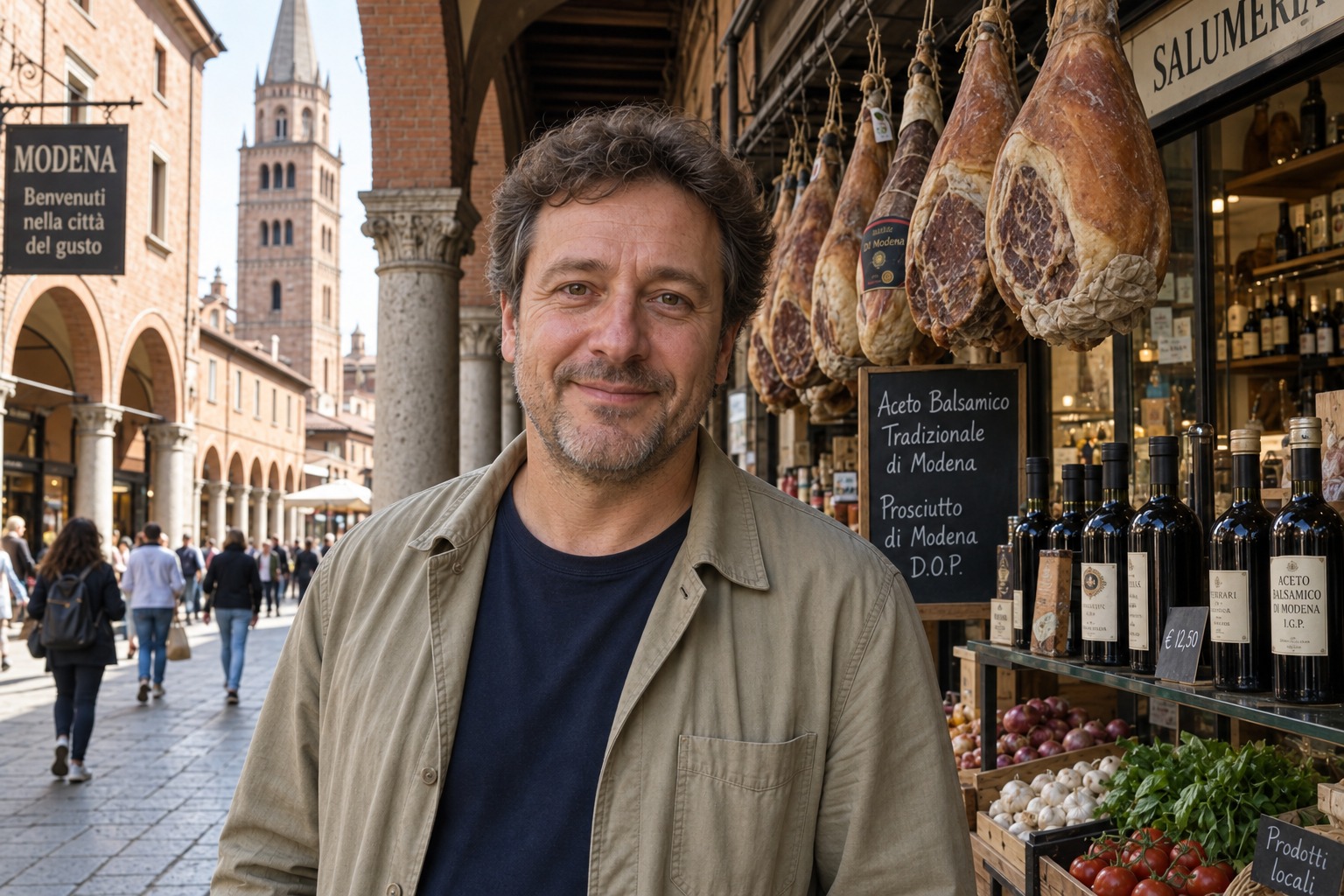 By Marco Montanari, Modena food tour guide and Emilian culinary specialist
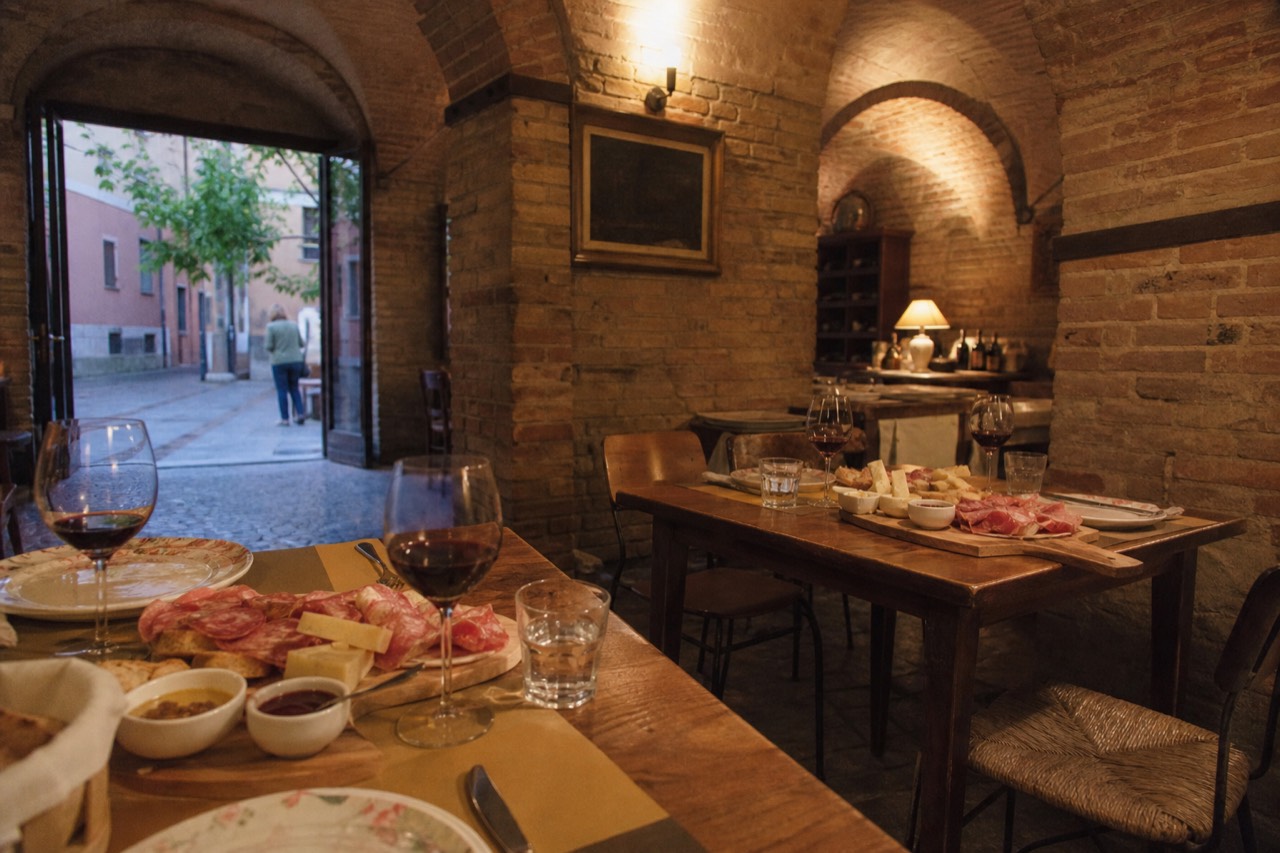
Most travellers doing Emilia-Romagna for the first time land on this question within an hour of opening a map. Bologna is the regional capital, the transport hub and the city with the famous food markets. Modena is half the size, sits twenty minutes down the line, and quietly holds more of the protected foods that made the region famous than anywhere else in Italy. The comparison is not really about which city wins. It is about what each one is genuinely best at, and how to use both without wasting a day. This site, Food Tours in Modena, exists because that question keeps arriving, and the honest answer is rarely the one people expect.
Which Is Better, Bologna Or Modena?
Neither city is simply better, and any honest comparison has to be decided on food rather than size. Bologna gives you scale, student energy, a bigger restaurant scene and easier transport links. Modena gives you the three protected products at their source: Parmigiano Reggiano dairies, traditional balsamic vinegar barrel lofts and four of the six Lambrusco DOC zones, plus the restaurant that reshaped modern Italian cooking. Food-first travellers get more of the region's substance in Modena.
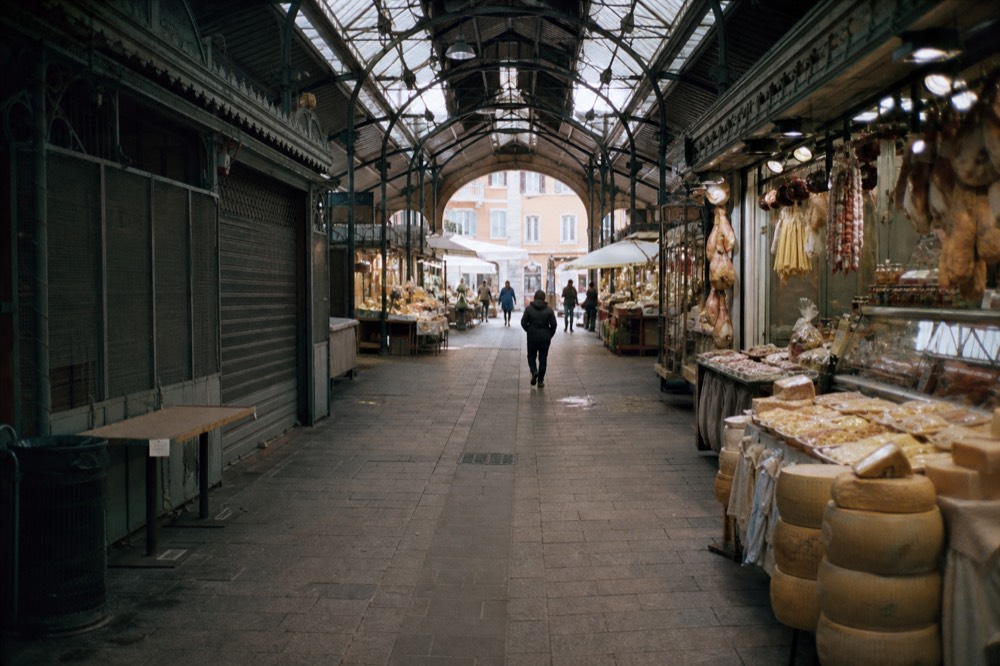
The case for Bologna is real and worth stating fairly. It is a university city with a medieval centre the size of a small town, around forty kilometres of porticoed streets, and a food market culture, Mercato delle Erbe and the Quadrilatero, that delivers variety from breakfast to midnight. It has the flights, the trains and the hotel stock. If your trip is one city only and you want bars, nightlife and a choice of two hundred restaurants, Bologna is the practical pick (see Best Day Trip From Bologna).
The case for Modena is narrower but deeper. The province is the only place on earth where Aceto Balsamico Tradizionale di Modena DOP can legally be made, aged and bottled, a status fixed in the production rules held by the consortium. The Parmigiano Reggiano zone covers Modena province alongside Parma, Reggio Emilia and parts of Bologna and Mantova, so working dairies sit minutes from the city. Four of the six Lambrusco DOC denominations, Sorbara, Grasparossa di Castelvetro, Salamino di Santa Croce and Modena, are Modena-province denominations, as the Lambrusco consortium itself lists. And Osteria Francescana, voted The World's Best Restaurant in 2016 and 2018 and now in The World's 50 Best "Best of the Best" group, sits on a small street inside the ZTL.
If the trip is about eating the region's protected foods at their source, Modena wins on substance. If the trip is about city life with excellent food attached, Bologna wins on liveliness. The strongest version of the trip refuses the choice, and we come back to that below.
For travellers who want the Modena countryside without giving up a Bologna base, these are the three experiences that bridge the two cities best:
Is Bologna Or Modena Better For Eating?
On sheer density of protected-product experiences, Modena is better for eating. Bologna cooks and sells the region's food brilliantly, but the making happens around Modena: the copper vats of the dairies, the barrel batteries of the acetaie, the Lambrusco vineyards of the Grasparossa hills. Bologna's strength is variety and price across its trattorie. Modena's strength is eating the things you watched being made, at the place they are made.
The distinction matters more than most guides admit. In Bologna you can eat a superb tagliatelle al ragù and shop a market that has traded for centuries. What you cannot do is stand in a dairy at the moment the curd is cut, or walk a barrel loft where the same vinegar has been decanted since before your grandmother was born. Those are Modena-province experiences by law, not by accident.
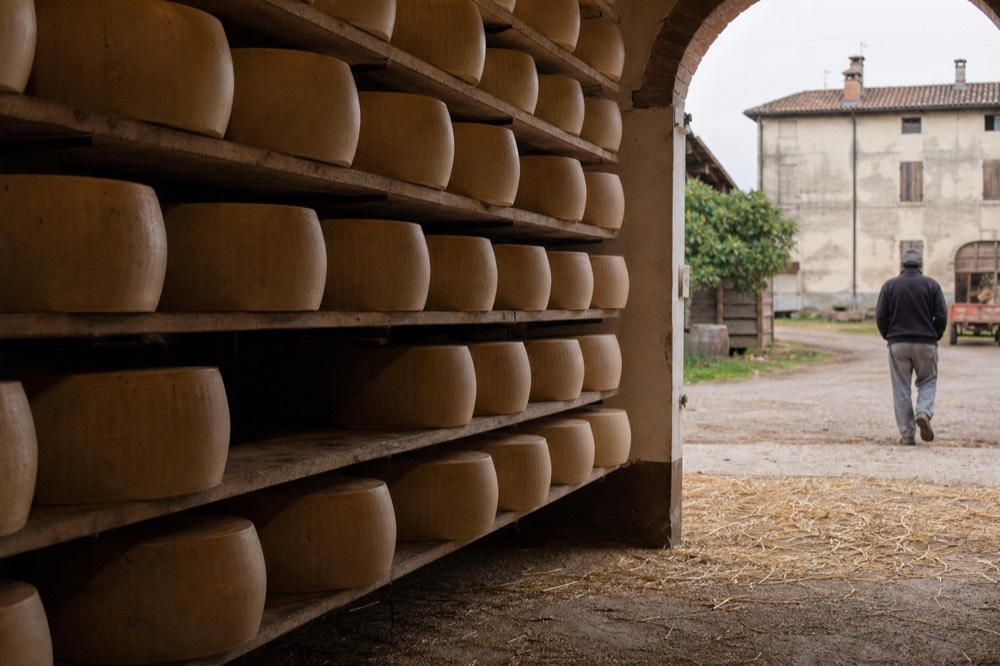
The dairy visit is the clearest example. A working Parmigiano Reggiano dairy runs its make in the morning, and afternoon visits cover that stage on video instead of live, as one Lesignana dairy states plainly on its own booking page. Book a morning slot and you watch the wheels emerge, get stamped with the casein plate that carries a unique traceability code, and then taste the same cheese at several ages. The Consorzio del Parmigiano Reggiano even runs its own booking page for tourist dairy visits across the zone.
Bologna's counterweight is its own food identity: mortadella at the source, the oldest university in the western world feeding a permanent student population, and a restaurant price band that runs gentler than Modena's premium tables. Its weakness is that the famous foods surrounding it, Parmigiano, traditional balsamic, the great Lambrusco estates, all sit outside the city in the very province you are comparing it against.
| Question | Bologna | Modena |
|---|---|---|
| Best single reason to eat there | Variety, markets, student-city price band | Protected products at their source |
| Signature protected food in the city | Mortadella Bologna IGP | Aceto Balsamico Tradizionale di Modena DOP |
| Producer visits from the centre | Day trips required | Dairies, acetaie and cantine within the province |
| Famous restaurant anchor | Historic trattorie and market counters | Osteria Francescana, Best of the Best group |
| Wine country reach | Hills to the south and west | Four Lambrusco DOC zones in the province |
| Evening energy | High, late, student-driven | Quieter, dinner-centred |
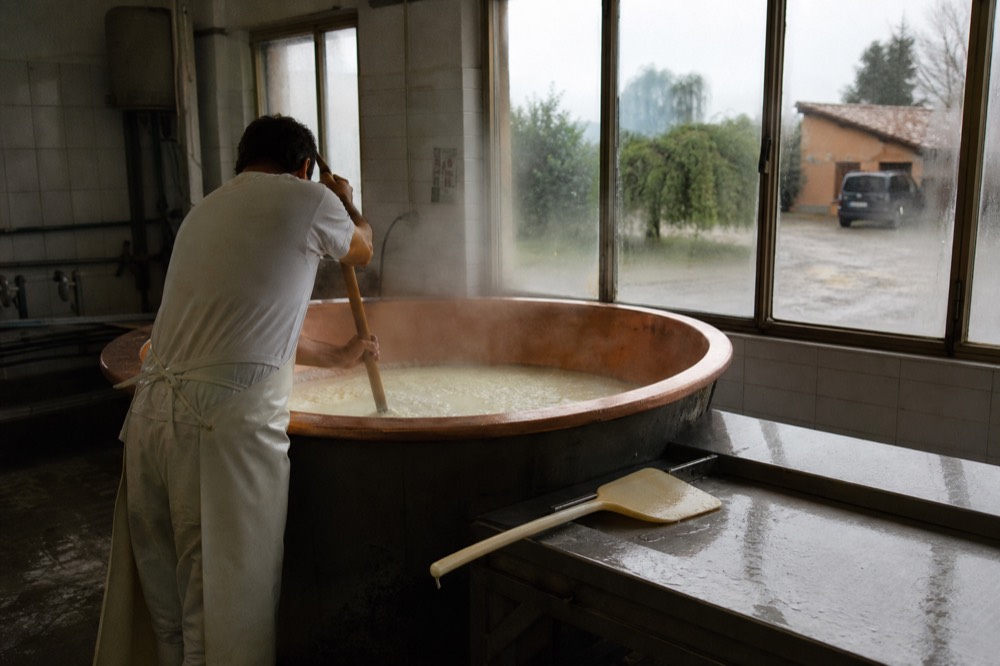
One practical note if the food decides it for you: the producer visits around Modena book out ahead of their size, especially morning dairy slots. Check the current price and see the next available dates before you lock the rest of the day plan, because the make happens in the morning and the morning is what people travel for.
How Do The Two Cities Compare Beyond Food?
Bologna is the larger city by a wide margin and holds more total sights: two leaning towers, the Basilica di San Petronio, Europe's oldest university and miles of porticoes. Modena's core is compact and holds one masterpiece cluster, the cathedral, the Ghirlandina tower and Piazza Grande, all UNESCO-listed, plus the Enzo Ferrari museum. Sightseeing alone favours Bologna. Combining sights with food favours splitting the days.
Modena's cathedral complex is not a consolation prize. The Romanesque cathedral and the Ghirlandina were inscribed by UNESCO together, and Piazza Grande in front of them is where the city's food walks actually start. The Museo Enzo Ferrari in Modena and the Museo Ferrari in Maranello, twenty-seven to thirty-one minutes from Modena's bus station on line 800, give the city a motor-pilgrimage pull that Bologna cannot match (see Modena's Famous Chef). A single adult Ferrari museum ticket runs €32 in the May to September season and €27 from October to April, per the official 2026 museums brochure.
Bologna answers with quantity. The Two Towers, the portico that climbs to San Luca, the archaeological museum and the Jewish ghetto quarter fill two full days without much effort, and the city's size means bad weather has more indoor answers. It is also the better base for branching out: Ravenna, Ferrara and Parma are all straightforward from Bologna's stations (see Parma or Modena).
| Factor | Bologna | Modena |
|---|---|---|
| Population feel | Big regional capital, busy | Small provincial city, calm |
| UNESCO sights | Porticoes of Bologna | Cathedral, Ghirlandina and Piazza Grande |
| Signature museum | Archaeological and art museums | Museo Enzo Ferrari |
| Day-trip reach | Ravenna, Ferrara, Parma, Florence line | Maranello, producer towns, Bologna itself |
| Pace on a first visit | Two to three days | One to two days |
| Best for | First-time visitors, sightseeing, nightlife | Food-focused returners, slow eaters |
The honest summary is that Bologna is the better sightseeing city and Modena is the better eating province. Anyone telling you one city dominates the other on every axis is selling something.
Should You Base In Bologna And Eat In Modena?
Yes, and it is the plan we would recommend for a first Emilia-Romagna trip. Bologna's hotel stock, transport links and late-night energy make it the easier place to sleep, while the dairy mornings, barrel lofts and hillside cantine that justify the region's food reputation all sit in or around Modena. A short train ride connects the two, and full-day producer tours run from central Bologna with pickup included.
This is the answer the question is really fishing for. The two cities are close enough that choosing one as a base does not mean giving up the other. Sleep in Bologna, where accommodation is cheaper and the evening streets stay alive, and spend your days eating Modena.
The mechanics are simpler than they look. A short train ride links the two centres, so a Modena morning at a dairy or an acetaia does not require a 6 a.m. start from Bologna. Inside Modena, the SETA bus network reaches the producer towns: line 740 runs to Castelvetro, the Grasparossa hill town, in 41 to 47 minutes, line 731 links Modena with Spilamberto, where the balsamic museum sits, and line 800 runs to Maranello in 27 to 31 minutes if you want the Ferrari stop on the same trip.
The even lower-effort version is a day tour that collects you in Bologna and handles the driving between producers. The full-day format that crosses a Parmigiano Reggiano dairy, a Lambrusco cellar and a traditional acetaia, with lunch on the producer premises, exists precisely for this base-in-one, eat-in-the-other itinerary.
The one thing a Bologna base costs you is the Modena evening. The city's best tables, and the walk from Piazza Grande through the old salumerie, reward an unhurried dinner, and the last train back closes the evening early. Our advice: give Modena at least one night of the trip, even inside a Bologna-based week. The producers fill the days, but the city fills the evenings.
If you are weighing how to split a whole week, our guide on day-tripping from Bologna to Modena breaks the timing down stop by stop.
What Does Modena Have That Bologna Cannot Match?
Three things, all fixed by law or geography. Traditional balsamic vinegar can only be made, aged and bottled inside Modena province. Four of the six Lambrusco DOC denominations sit in the same province. And the shrine of modern Italian fine dining, Osteria Francescana, is in Modena, not Bologna. Bologna has excellent versions of the region's food, but it cannot host the originals.
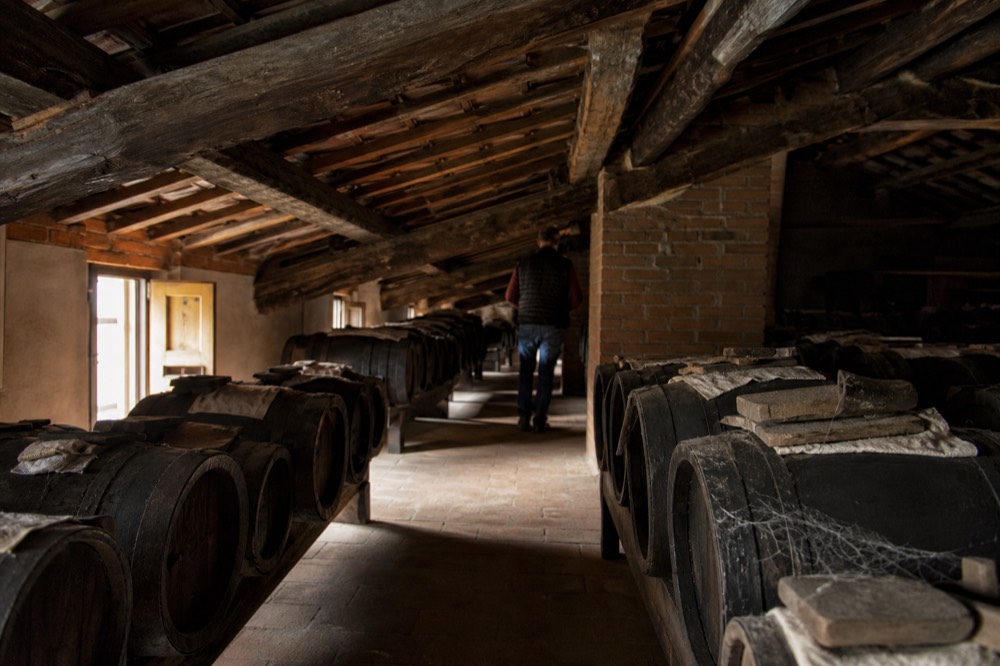
Start with the vinegar, because it is the sharpest distinction. Aceto Balsamico Tradizionale di Modena DOP is cooked grape must, aged a minimum of 12 years, or 25 for the Extra Vecchio grade, through a graded battery of small barrels, and it may be bottled only inside the province of Modena (see Balsamic Grades). The consortium's production rules fix every stage. Its sibling product, Aceto Balsamico di Modena IGP, is a different thing entirely: must with wine vinegar added, matured a minimum of 60 days in wood, and made across both Modena and Reggio Emilia provinces. Bologna can sell both, but no barrel loft inside its walls can legally age the DOP.
Then the wine. Lambrusco is made across the full style range, secco, semisecco, amabile and dolce, in every one of the six DOC denominations, and the dry secco style is what gets poured alongside Modena food. Four of those denominations, Sorbara, Grasparossa di Castelvetro, Salamino di Santa Croce and Modena, are in Modena province, with the Grasparossa hills at Castelvetro producing the most tannic and full-bodied of the group.
Then the restaurant. Osteria Francescana was voted The World's Best Restaurant in 2016 and 2018, and now sits in The World's 50 Best "Best of the Best" group, whose members are no longer eligible for the annual list. Its booking mechanics are their own adventure: reservations for a given month open on a published date at 10:00 Italian time, roughly six months ahead, a card is mandatory, and a €300 per person authorisation hold goes on four days before. Our Osteria Francescana booking guide walks the whole calendar. If the table does not open, Franceschetta58, the same family's more casual room, opens Monday to Saturday.
| Modena exclusive | What it is | How to reach it from the centre |
|---|---|---|
| Traditional balsamic DOP barrel lofts | Cooked must aged 12 or 25-plus years, bottled only in the province | Acetaie in the city and hills; several book visits directly |
| Parmigiano Reggiano morning make | Copper vats, curd cutting, casein stamping, then tasting by age | Working dairies about 15 minutes out, transfer included on tours |
| Four Lambrusco DOC zones | Sorbara, Grasparossa, Salamino and Modena denominations | Castelvetro on line 740; estates book tastings |
| Osteria Francescana | Best of the Best group, 2016 and 2018 winner | Via Stella 22, inside the ZTL, book via its own site only |
| Ferrari Maranello museum | The factory-town museum and Il Cavallino restaurant | Line 800, 27 to 31 minutes |
For a taste of the wine side without leaving the city orbit, the sommelier-led cellar walk at Nonantola pours three Lambrusco styles side by side so the differences between them are obvious on the first glass.
How Many Days Should Each City Get?
A first-time visitor with food as the priority should give Bologna two nights and Modena two nights, or base in Bologna for four and give two full days to Modena and its producers. Bologna needs a day for the centre and a day for markets and eating. Modena needs one day for the city and market and one for the producers, because the dairy mornings and barrel lofts are the reason you came.
The common mistake is treating Modena as a half-day excursion. The city centre itself, Piazza Grande, the Ghirlandina, the market and a proper lunch, does fit a half day. But the province's real content is outside the walls, and it runs on producer schedules: dairies make cheese in the morning, acetaie take booked visits, and the hill estates pour in the afternoon. Squeezing that into the tail of a Bologna day trip means arriving after the make and rushing the barrels.
| Trip length | Recommended split | What it buys you |
|---|---|---|
| Two nights total | Both cities, one night each | Centre highlights plus one producer visit |
| Four nights | Base in Bologna, two Modena days | Dairy morning, acetaia, market and a Modena dinner |
| Five nights | Two Bologna, three Modena | Add the Lambrusco hills or Maranello |
| One week | Alternate or split the week | Everything above at eating pace, plus Spilamberto |
If you are building the days around what to eat rather than what to see, our what to eat in Modena guide sequences the city's plates from breakfast gnocco fritto onward, and the how many days do you need in Modena post works the timing question in full.
One scheduling note that changes plans: Mercato Albinelli's stalls run Monday to Saturday and close on Sunday, while the market's restaurants open seven days, so a Sunday visit to Modena still eats well but sees a quieter market hall. Check the next available dates for any producer visit before fixing your day order, since morning dairy slots are the scarcest pieces of the week.
Whichever city you sleep in, these are the three experiences that carry the comparison, from the full producer day out of Bologna to the two ways of eating Modena itself:
The short answers: Bologna wins on size, sights, transport and nightlife, Modena wins on food substance and protected products at their source, the two cities sit a short train ride apart, and the strongest itinerary bases in one and eats in the other. The details below cover the questions travellers actually ask when splitting a trip between them.
Common Questions About Bologna Versus Modena
Which Is Better, Bologna Or Modena?
Neither is simply better. Bologna wins on size, sightseeing, transport and evening energy. Modena wins on food substance: the protected products at their source, the barrel lofts, the dairy mornings and the fine-dining anchor. Food-first travellers get more of the region's essence in Modena; city-first travellers get more of everything else in Bologna.
Is Bologna Cheaper Than Modena?
Generally yes for accommodation and everyday eating, because Bologna's student city keeps a wide price band open. Modena's premium tables and producer experiences push its ceiling higher, though market eating in Modena, Mercato Albinelli's counters and the salumerie, remains inexpensive. Sleep in Bologna if budget leads the plan.
Can You Visit Modena As A Day Trip From Bologna?
Yes, and it is a common plan. A short train ride links the two cities, and full-day producer tours run from central Bologna with pickup included. The trade-off is the Modena evening: the last train back ends the day early, so give Modena one night if the dinner matters as much as the dairy morning.
Which City Has Better Restaurants?
Bologna has more restaurants and more variety. Modena has the deeper food identity: it is the only province where traditional balsamic DOP can be made and bottled, it holds four of the six Lambrusco DOC zones, and it hosts Osteria Francescana, the 2016 and 2018 World's Best winner now in the Best of the Best group, plus Franceschetta58 from the same family.
Is One Night In Modena Enough?
One night covers the city centre, the market and one producer visit. Two nights let you add the dairy morning, an acetaia and either the Lambrusco hills or Maranello without rushing. Most food-focused travellers regret scheduling Modena as less than a full day plus an evening.
Do You Need A Car For The Modena Food Experiences?
No. The producer towns sit on the SETA bus network, line 740 to Castelvetro, line 731 to Spilamberto, line 800 to Maranello, and many tours include transfers from Modena or Bologna. A car adds flexibility for the hill estates, but the core dairy, acetaia and cellar visits are all reachable without one.