Where Is The Best Place To Do A Food Tour In Italy? The Case For Modena
A comparison of Italy's food-tour cities on what a tour physically reaches, and why Modena's small protected production zones give a tour more to touch, taste and explain.
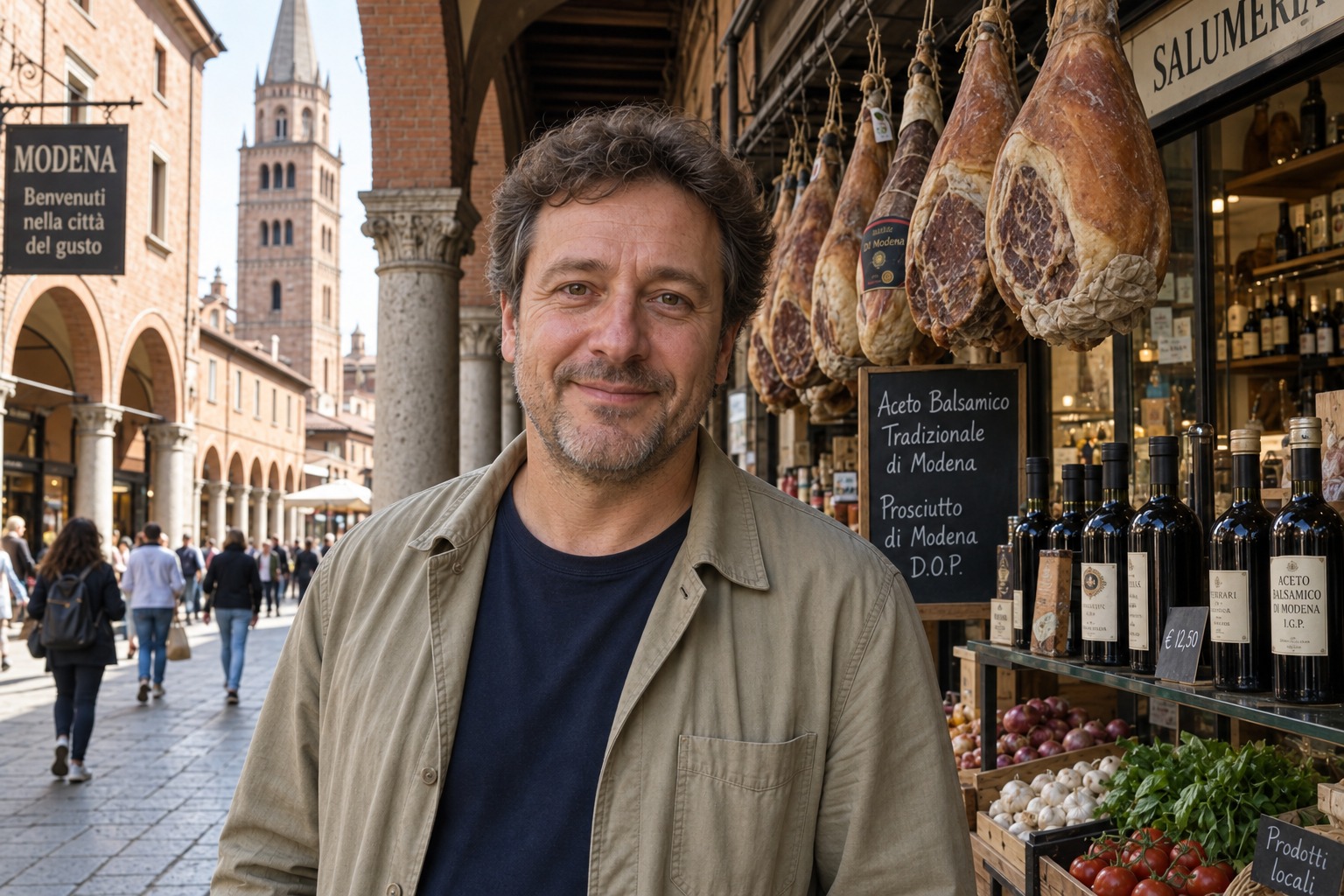 By Marco Montanari, Modena food tour guide and Emilian culinary specialist
Ask ten travellers where to eat best in Italy and you will get ten cities. Ask which city gives a food tour the most to work with and the field narrows fast, because a tour is not a restaurant list. It is a route, a set of doors that open, and a story a guide can stand inside and point at. Modena's claim is unusually concrete: several of Italy's most protected foods can only legally be made in or around this one province, so the tours here walk into the rooms where those rules are enforced. This site, Food Tours in Modena, exists to map exactly those rooms.
Where Is The Best Place To Do A Food Tour In Italy?
The best place to do a food tour in Italy is Modena, because it is the only city where a single morning can reach a Parmigiano Reggiano dairy, a traditional balsamic vinegar loft and a Lambrusco cellar, all inside the legally defined production zones of those products. Bologna and Parma offer excellent eating, but Modena's tours physically enter the workshops behind the famous names, which is the difference between tasting a product and understanding it.
That distinction matters more than most comparison articles admit. A food tour in Rome or Florence is mostly a walk between counters: a gelateria, a salumeria, a bakery, a square with a story. Good ones are genuinely fun. But the product being tasted was made somewhere else, often far away, and the guide is describing secondhand what happened there.
In Modena the supply chain is local and short. Traditional Balsamic Vinegar of Modena DOP must be made, aged and bottled inside the province of Modena, under rules set out in the official disciplinare, which the consortium publishes in full on its own site. Parmigiano Reggiano's production zone covers the provinces of Parma, Reggio Emilia, Modena and Bologna left of the Reno, as the Consorzio defines it, and Modena province holds working dairies you can book into. Lambrusco has six DOC denominations, four of them in Modena province, per the Lambrusco consortium. No other Italian city sits inside three protected zones of this weight at once (see Best Food City).
That is why the roster of food tours here looks different from anywhere else in the country. A shortlist of the three formats that show the difference:
Check the current price and the next available dates on each live listing before you plan the day around one, because the small producer visits book out ahead of their size.
What Separates A Great Food Tour From An Expensive Snack Walk?
A great food tour reaches a production site you could not casually walk into, is explained by someone connected to the place, and leaves you able to tell the real product from an imitation afterwards. An expensive snack walk visits retail counters you could find alone, tastes generic items, and teaches nothing that survives the flight home. The gap is not the food budget, it is access.
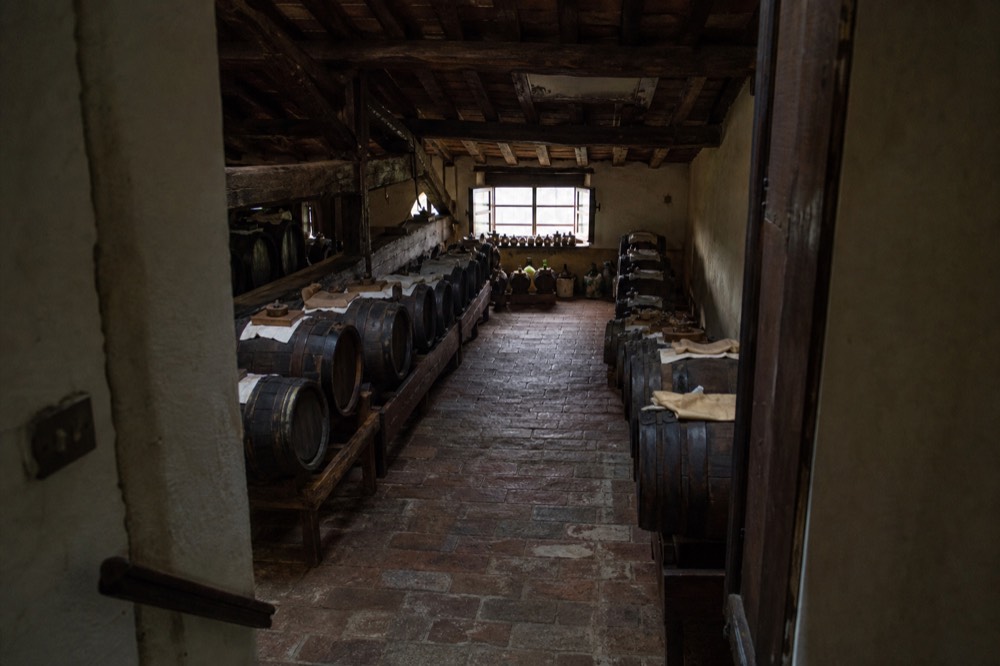
Access is exactly what a small production zone supplies. The DOP vinegar rules mean a genuine acetaia near Modena has barrel batteries that have been fed and decanted for decades, and the families that run them take booked visits. The consortium's own FAQ notes that many acetaie welcome booked guided visits, and the tasting on such a visit is free at those that do. A tour operator's value is the logistics, the translation and the pairing of that loft visit with lunch or a dairy stop in one coherent day.
Contrast that with a big-city tour where the deepest stop is a shop that also sells to walk-ins. Nothing wrong with the food, but the tour adds a guide where a map would have done. The Modena formats that earn their price are the ones that cross a threshold: a working dairy's copper vats and ageing shelves, a barrel loft above a family house, a cellar with a wine museum attached.
There is a second, quieter benefit. Products with protected names carry rules you can verify, and a good guide teaches you to read them. The rind marks on a wheel of Parmigiano Reggiano, the numbered seal on a bottle of the DOP vinegar, the denomination on a Lambrusco label: these are checkable facts, not marketing. You leave knowing what to buy at home and what to leave on the shelf, which outlasts any single tasting.
Why Do Small Production Zones Beat The Big Food Cities?
Small production zones beat big food cities for touring because the distance between the famous name and the place it is made is minutes, not hours. In Modena a dairy, an acetaia and a vineyard can sit inside one morning's drive, so a tour spends its time inside workshops rather than on motorways. In a metropolis the tour spends its time moving between retail stops that all face the same street.
Think about what a tour hour is worth. An hour inside a dairy during the morning make, watching curd split and wheels settle into moulds, is an hour you remember. An hour on a coach between a city centre and a distant producer is an hour you lose. Geography decides which of those hours you get.
| What the tour physically reaches | Typical in a big food city | Typical in Modena |
|---|---|---|
| Where the named product is made | Rarely, production is elsewhere | Regularly, the zone surrounds the city |
| Producer as guide or host | Uncommon | Common at dairies and acetaie |
| Legally protected names you can watch being enforced | Seldom | DOP vinegar, DOP cheese, DOC wine |
| Time lost in transit between stops | High, stops are scattered | Low, producers cluster in one province |
| What you can verify on a label afterwards | Little taught | Rind marks, seals, denominations |
The DOP vinegar is the sharpest example of why zone size matters. Its rules require a minimum of 12 years of ageing, with the Extra Vecchio grade at 25 years or more, and bottling may only happen inside the province of Modena. You cannot shortcut that anywhere else in Italy. A tour here stands in front of the barrels that satisfy those rules and explains the graded battery, the numbered barrels, the decanting. Elsewhere, the same product arrives as a bottle on a shelf with a story attached secondhand.
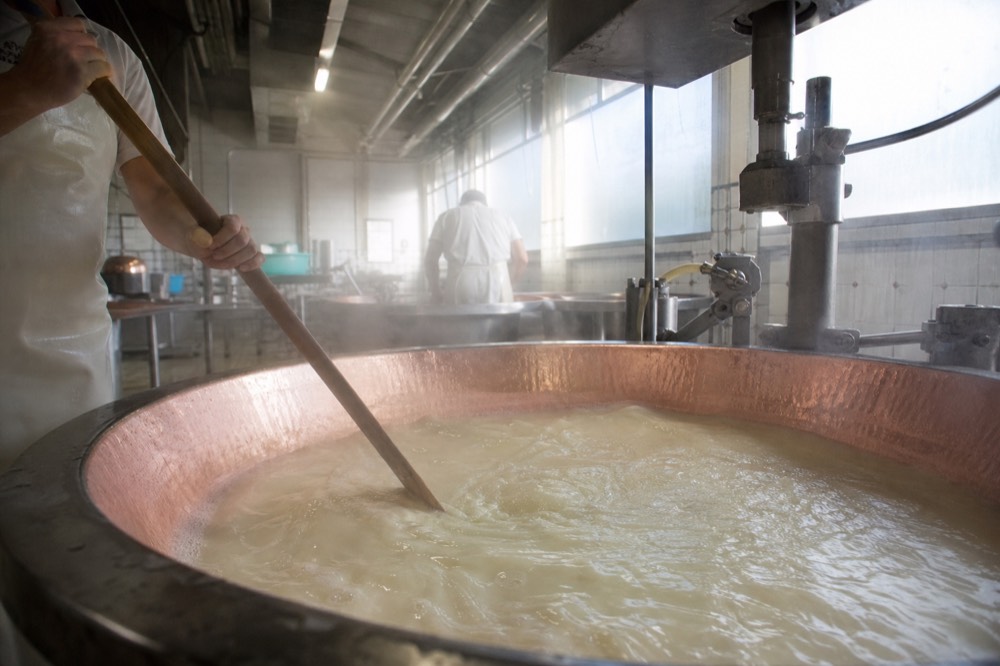
The cheese tells the same story from the other side. Every wheel of Parmigiano Reggiano carries a casein plate with a unique traceability code in its first hours, and wheels that fail the 12-month inspection have their origin marks milled off the rind and lose the right to the name. A dairy tour shows you the plates going in and the ageing shelves where the inspection happens. That is enforcement you can see, which no city-centre tasting walk can offer.
How Does Modena Compare With Bologna, Parma And Florence?
Modena beats Bologna, Parma and Florence on tour depth, not on restaurant count. Bologna wins for market energy and pasta culture, Parma wins for prosciutto and its own cheese heritage, Florence wins for volume and variety of tours. Modena wins on the single measure that defines a food tour: how many protected production sites a visitor can enter in one day, and it leads on that measure comfortably.
Each city deserves its reputation, and honest comparison means saying what each one is actually good at rather than crowning a single winner for all travellers.
| City | Food-tour strength | What a tour usually reaches | Best fit for |
|---|---|---|---|
| Bologna | Market and fresh pasta culture, the eating city | Markets, salumerie, pasta counters, some out-of-town dairies | First-time visitors who want to eat well in town |
| Parma | Prosciutto di Parma and its own cheese tradition | Ham ageing cellars, dairies toward the same zone | Travellers already anchored in Parma |
| Florence | Sheer variety, Tuscan wine day trips | City walks, wine tours into Chianti | Visitors combining art with food |
| Modena | Three protected zones around one small city | Dairies, acetaie, Lambrusco cellars, plus a walkable historic centre | Visitors who want to see production, not just taste it |
Bologna is the honest rival and the pairing makes sense as a double base, which our Modena day trip from Bologna guide breaks down stop by stop. The two cities are a short train ride apart, and many travellers sleep in Bologna and day-trip into Modena's production zone for the dairy and acetaia visits, then eat in Bologna at night (see Best Day Trip From Bologna). That split works because it assigns each city what it is best at.
Parma's case is subtler than the table suggests. Its ham cellars are genuinely inside the city's orbit, and its cheese heritage shares the same protected zone as Modena's dairies, since the Parmigiano Reggiano zone covers both provinces. What Parma cannot offer is the vinegar: the DOP version cannot legally be made there, and the Lambrusco denominations cluster around Modena (see Parma or Modena). A Parma tour reaches two protected products at most. A Modena tour can reach three.
Florence plays a different sport. Its food tours are numerous and polished, and its wine day trips reach real cellars in Chianti. But the city's own famous foods are fewer and less zone-locked, so the tour product leans on Tuscan wine country rather than on workshops inside the city. If your trip is art-first, Florence serves you fine. If the trip is food-first, the production-zone city wins.
Which Modena Tours Actually Get You Inside The Producers?
The Modena tours that get you inside producers are the dairy visits with transfer included, the acetaia cellar tours in and around the city, and the city food walk that adds a working acetaia to its route. Cooking classes add a fourth door, a Modenese home kitchen, which no other Italian food-tour city offers at this density. Each format reaches a different room, and the best day combines two of them.
The dairy visit is the anchor. One working dairy about 15 minutes from Modena runs a tour with the transfer included: copper vats, the salting room, the ageing shelves, then a flight of the same cheese at different ages so the ageing story lands on the palate (see Is Modena Worth It). Cheesemaking happens in the morning, and afternoon tours cover that stage on video instead of live, so book a morning slot if seeing the make matters to you. See the next available dates on the live listing before locking the rest of the day.
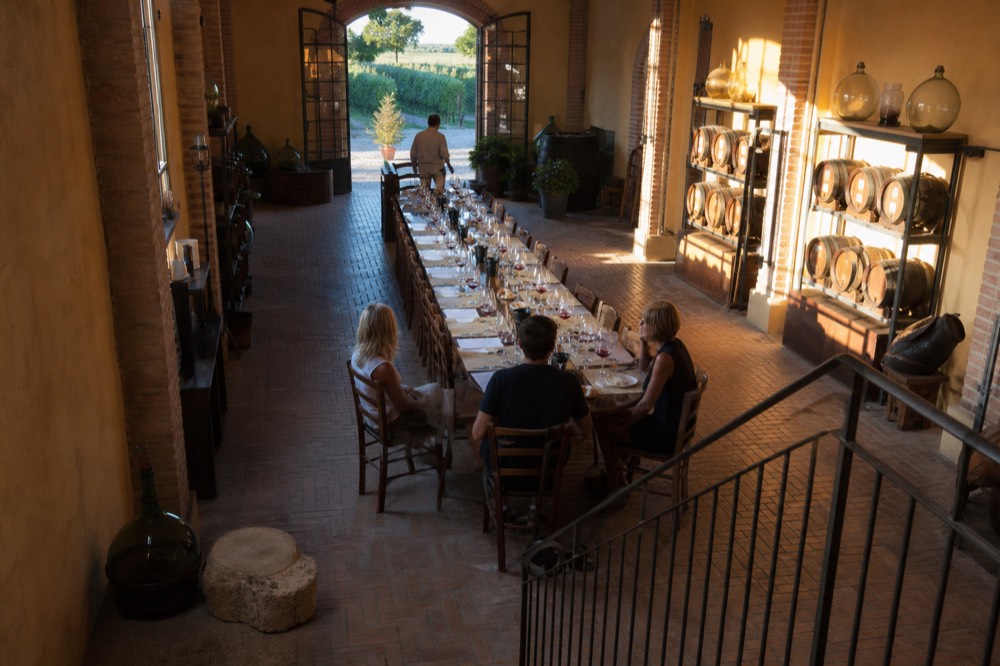
The vinegar visits split into two families. Some acetaie sit in the countryside: a certified organic one at Vignola walks you through the Lambrusco vineyards before the barrel loft, a historic villa near Nonantola pairs the cellar with a full sit-down lunch, and a hill-town acetaia at Castelvetro pours very old reserves next to young ones so the ageing gap is unmistakable. Others sit in the city itself, small family operations with short, hands-on visits that book out further ahead than their size suggests.
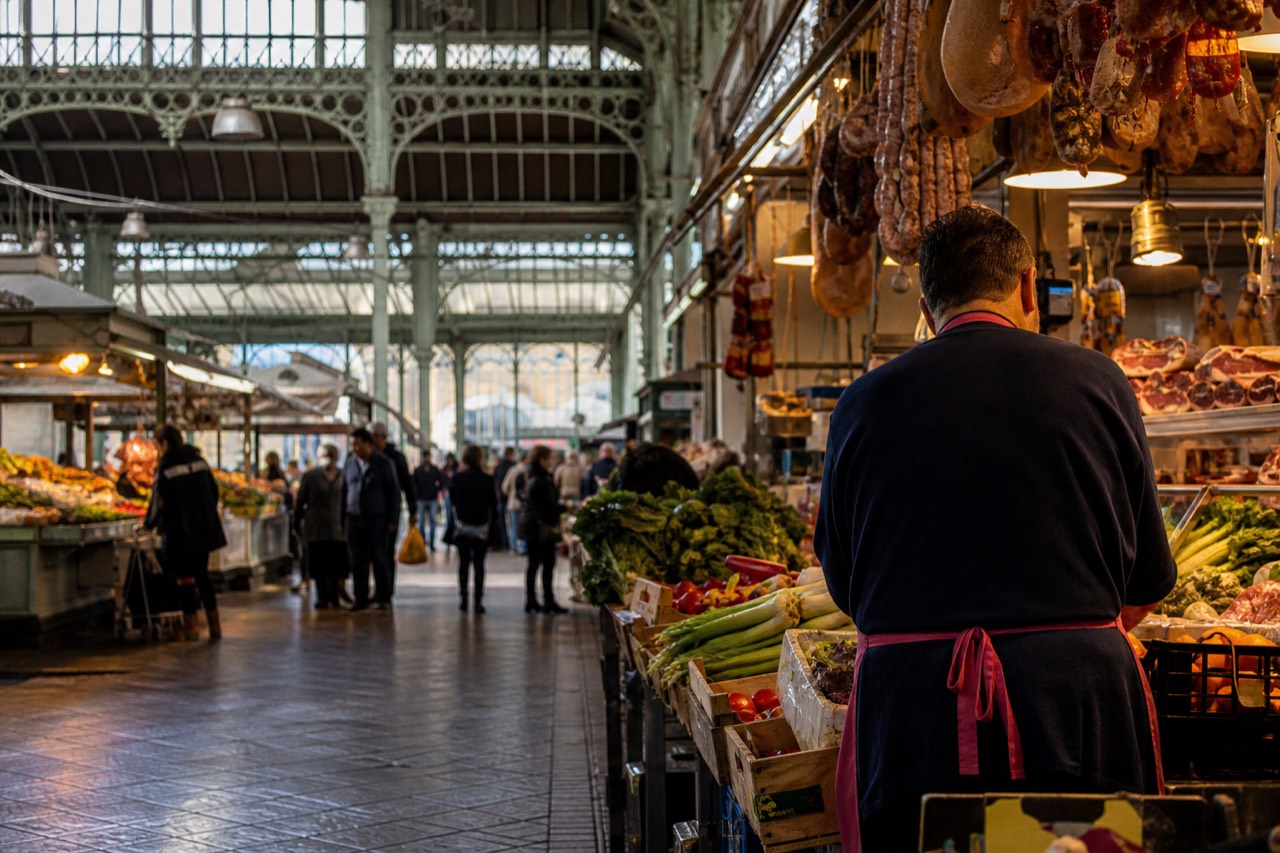
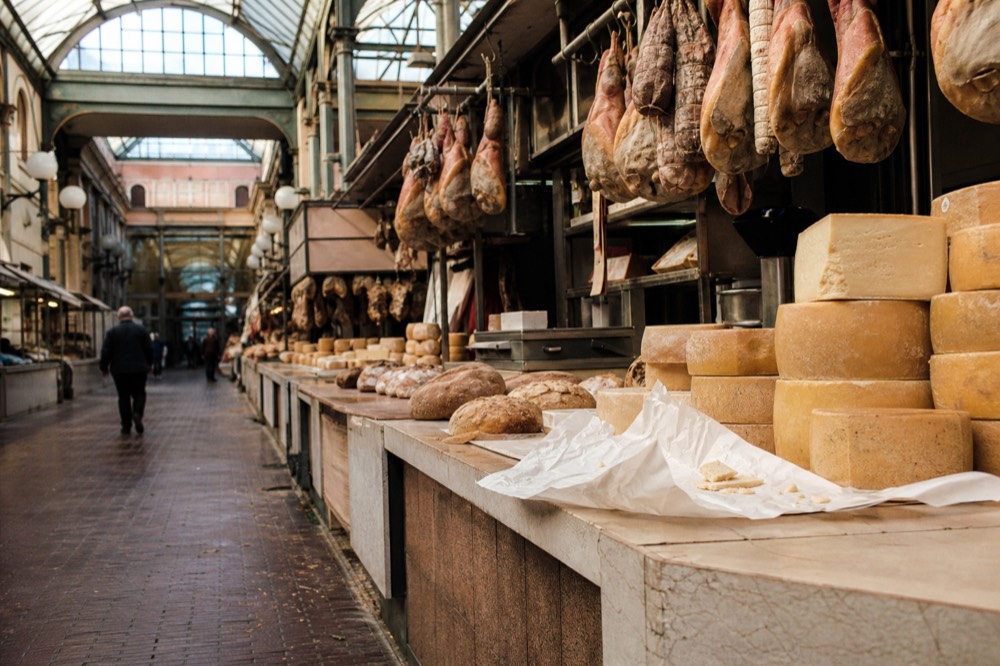
The city walks have quietly upgraded too. The classic format runs five or six stops through the old centre and the covered market, ending on gelato. A newer variant is the only city food walk that also takes you inside a working acetaia rather than tasting balsamic at a counter, which turns a snack walk into a genuine production tour with a market in the middle. For planning the market leg, the Mercato Albinelli guide lists the stall hours, entrances and closure days.
The cooking classes are the sleeper pick. Through the Cesarine network of home cooks, a private class in a Modenese home kitchen teaches two regional pasta shapes and tiramisu, eaten at the family table, and a longer format adds the market shop beforehand so you buy the ingredients with your host first. You are inside a real Modenese home, which is a door no walking tour opens. The cooking classes guide compares the formats and the realistic per-person costs.
What Does A Perfect Food-Tour Day In Modena Look Like?
A perfect food-tour day in Modena pairs one morning production visit with one afternoon tasting, with the historic centre for lunch in between. The classic shape is a dairy visit during the morning make, lunch at the market or an osteria, then an acetaia or Lambrusco cellar in the afternoon, and it works because all three sit within a short radius of the city. Trying to stack three producer visits in one day is possible but rushed.
The reason the pairing works is timing. Cheese happens in the morning, vinegar and wine are visited at any hour, and the market stalls run Monday to Saturday and close in the mid-afternoon. So the dairy takes the early slot, the market takes the early lunch, and the barrel loft or cellar takes the afternoon without a wasted window between them.
| Time of day | Best use | Why the slot fits |
|---|---|---|
| Morning | Dairy visit during the make | Cheesemaking happens in the morning; afternoons cover it on video |
| Midday | Market lunch in the historic centre | Stalls open into the early afternoon; restaurants open through it |
| Afternoon | Acetaia loft or Lambrusco cellar | Barrel rooms and cellars take visits at any hour |
| Evening | Osteria dinner, or a cooking class that ends at the family table | Classes run into dinner; osterie open late |
One planning note that first-time visitors miss: the whole province celebrates its vinegar houses on one Sunday each September, when over 30 acetaie open their doors for guided visits and tastings across both the DOP and IGP products, and several take bookings only. If your dates line up with that open day, plan the rest of the trip around it, because it is the one moment the doors open widest. The acetaia visits guide covers the year-round alternatives.
And a word on expectations, because the honest answer to "best place" is still "best for what". If you want nightlife and restaurant density, Bologna is the better base and Modena is the day trip. If your trip is built around art and you want food folded in, Florence serves that. But if the point of the tour is to stand where the famous products are made, watch the rules being applied, and taste the difference age and craft make, the small city inside three protected zones is the one that delivers. That is the case for Modena, and it is a case built on geography and law rather than on civic pride.
The short answers: Modena is the best place to do a food tour in Italy because its province legally contains the DOP vinegar zone, shares the Parmigiano Reggiano zone and holds four of the six Lambrusco DOC denominations, so tours enter real production sites. Bologna is the better eating base, dairies can be booked directly, two producer visits plus a market lunch fit comfortably in one day, and no car is needed.
Common Questions About Food Tours In Italy
Where Is The Best Place To Do A Food Tour In Italy?
Modena, on the measure that matters for a tour: it is the one city whose surrounding province legally contains traditional balsamic vinegar production, shares the Parmigiano Reggiano zone and holds four of the six Lambrusco DOC denominations. Tours here enter working dairies, barrel lofts and cellars rather than retail counters.
Is Bologna Or Modena Better For A Food Tour?
Bologna is better for eating your way through a city, with denser markets and pasta culture. Modena is better for the tour itself, because the protected production sites sit minutes away. Many travellers base in Bologna and day-trip into Modena for the producer visits.
Can You Visit A Parmigiano Reggiano Dairy Without A Tour Operator?
Yes. Dairies take booked visits directly, and the Consorzio runs its own booking page for tourist visits. A tour operator adds transfer, translation and a combined itinerary, which is worth it if you are stacking stops in one day.
How Many Food-Tour Stops Can You Fit Into One Day In Modena?
Two producer visits plus a market lunch is the comfortable maximum. Three producer visits in one day are possible but rushed, and the cheese make only happens in the morning, so the dairy always takes the early slot.
Do You Need A Car For Modena Food Tours?
No. Several tours include transfer from Modena, the city walks are entirely on foot, and public buses reach Maranello, Castelvetro, Bomporto and Spilamberto. A car helps only if you are chaining distant acetaie on your own schedule.