What Italian City Has The Best Food? The Case For Modena
Which Italian city eats best? An honest comparison of Modena, Bologna, Parma and Naples, and why Modena's density of protected products makes its claim hard to beat.
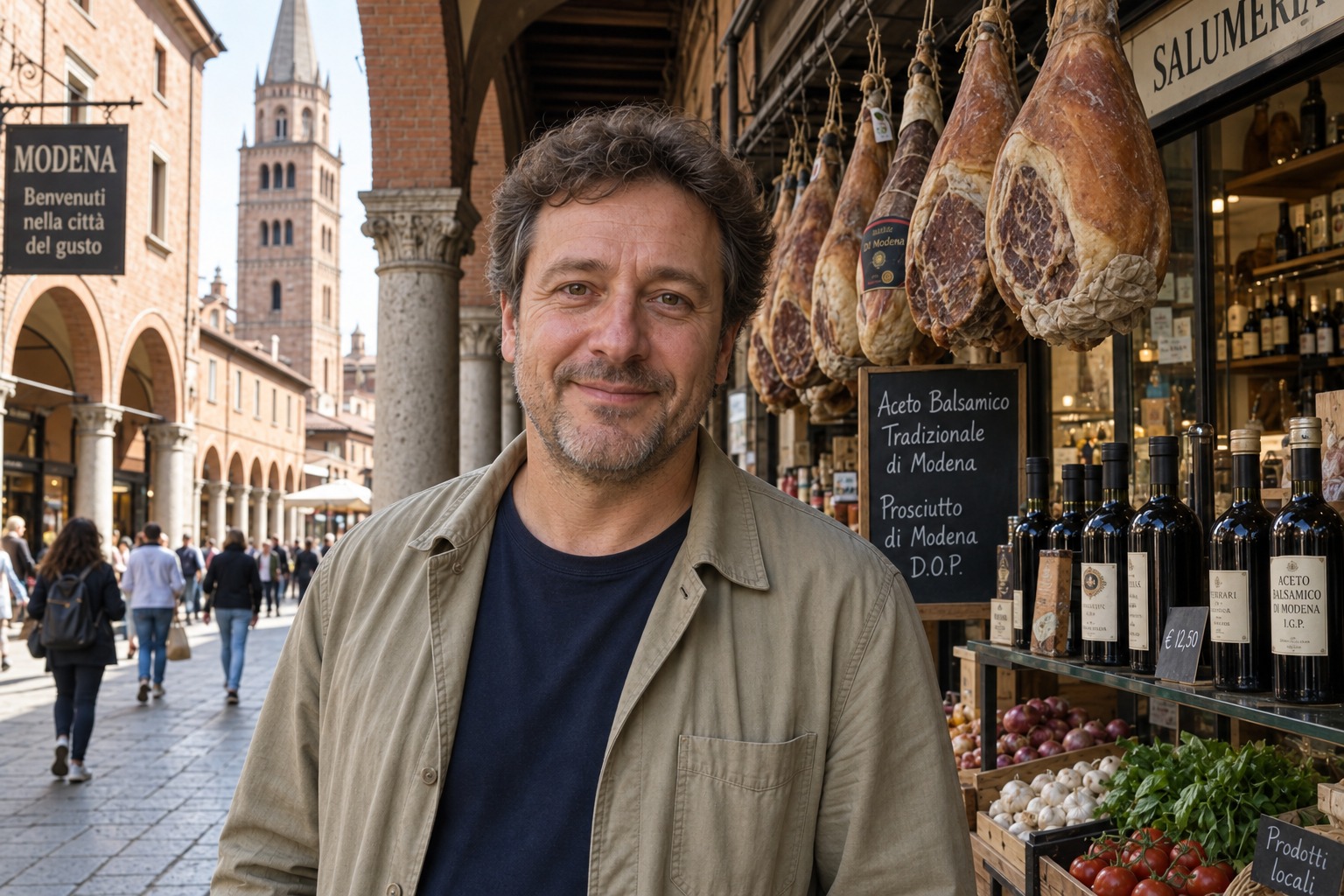 By Marco Montanari, Modena food tour guide and Emilian culinary specialist
Ask the question in a bar in Naples, a trattoria in Bologna or a cellar in Modena and you will get three confident and completely different answers (see Three Types of Parmesan). Italy has no national food capital by decree, so the argument has to be settled on evidence (see Best Food Tour City). The measure that actually holds up is density: how many legally protected, world-famous foods are made in the immediate countryside around a city, and how close are they to your table.
What Italian City Has The Best Food?
No single city holds the title outright, but Modena has the strongest measurable case: its province produces Parmigiano Reggiano DOP, Aceto Balsamico Tradizionale di Modena DOP, Aceto Balsamico di Modena IGP and four of Italy's six Lambrusco DOC denominations, all within roughly half an hour of the centre. Bologna has more restaurants, Parma has two famous products, Naples invented pizza. Modena has the densest concentration of protected foods anywhere in the country.
That claim deserves unpacking, because "best food" means different things to different people. If you mean the widest choice of places to eat, Bologna wins on raw numbers: it is a bigger city with a longer list of osterie and a student population that keeps prices honest. If you mean a single iconic dish, Naples and pizza are hard to argue with. If you mean the depth of what the surrounding land produces under legal protection, the answer is Modena, and it is not particularly close (see Best Balsamic Region).
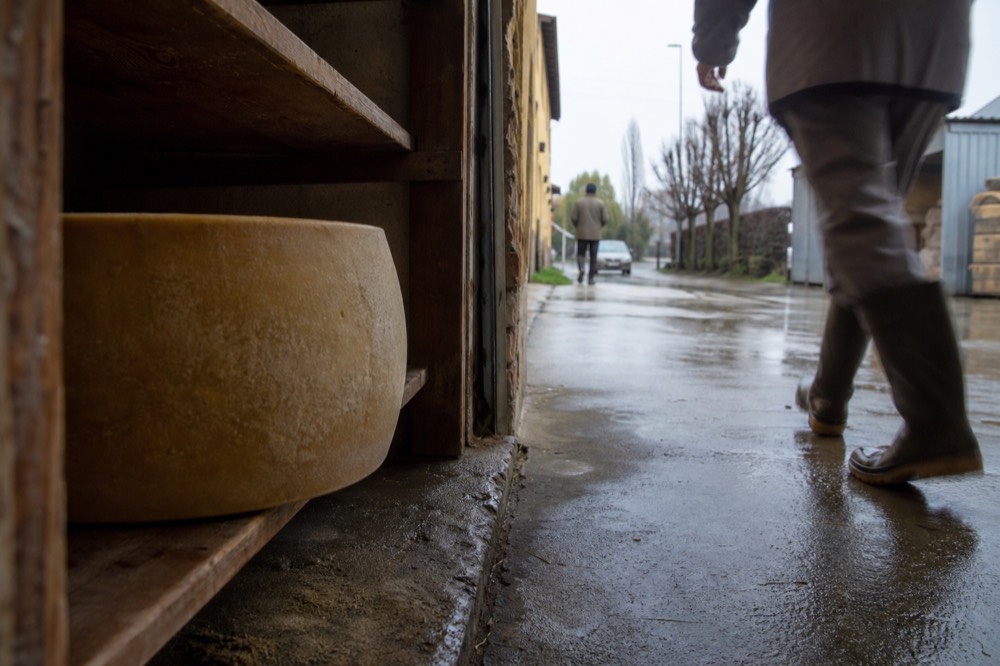
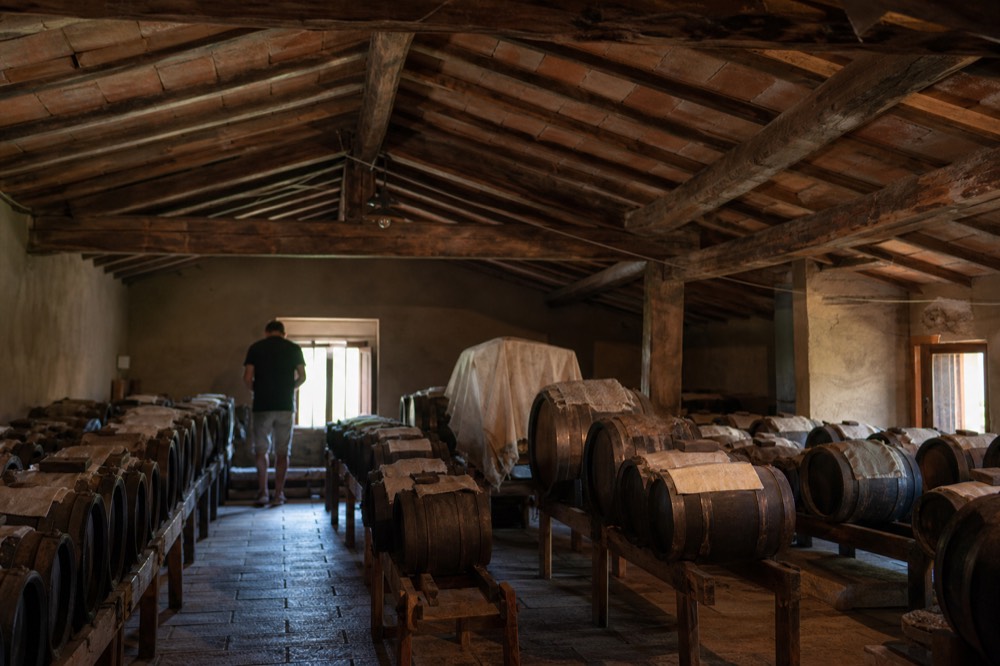
The distinction matters for a visitor. In many acclaimed food cities you eat well in restaurants that cook regional ingredients. In Modena you can do that too, but you can also walk into the places where the protected products are actually made: a working dairy where the morning make is happening, a family acetaia with barrels older than the building, a Lambrusco cellar in the hills. Few cities anywhere offer that combination at such short distances.
For a first taste of how the city itself eats, the guide to what to eat in Modena covers the dishes worth ordering first, and the walking tours below are the fastest way to sample several of them in one afternoon.
Why Density Of Protected Products Beats Volume Of Restaurants
Modena's food reputation rests on four protected products made in its own province, which is more than any other Italian city can claim at comparable distance: a cheese aged a minimum of 12 months, a vinegar aged a minimum of 12 years, a second vinegar with its own rules, and four of the six Lambrusco DOC denominations. No other city sits inside this many legally defined production zones at once. That is the measurable core of the argument.
Protected status in the EU is not a marketing badge. It is a set of rules about where a product may be made, what may go into it and how long it must be aged, enforced against imitations. Parmigiano Reggiano's production zone covers the provinces of Parma, Reggio Emilia, Modena, Bologna left of the Reno and Mantova right of the Po, with every stage from milk to packing inside it, as the Consorzio del Parmigiano Reggiano sets out. Modena sits in the middle of that zone.
The vinegar is stricter still. Aceto Balsamico Tradizionale di Modena DOP must be made from cooked grape must alone, aged a minimum of 12 years in a graded battery of barrels, and bottled only inside the province of Modena in the mandatory Giugiaro bottle with a numbered seal, per the DOP consortium's disciplinare. Grapes, ageing and bottling all have to happen in that one province. No other city in Italy has a product of that stature whose entire legal production zone is its own backyard.
| Protected product | Legal status | Core rule | Distance from Modena centre |
|---|---|---|---|
| Parmigiano Reggiano | DOP | Minimum 12 months ageing, defined production zone | Working dairies about 15 minutes out |
| Aceto Balsamico Tradizionale di Modena | DOP | Cooked must only, minimum 12 years ageing, bottled in Modena province | Acetaie in the city and the hills |
| Aceto Balsamico di Modena | IGP | Must with added wine vinegar, minimum 60 days in wood | Same province and Reggio Emilia |
| Lambrusco (four DOCs) | DOC | Sorbara, Grasparossa di Castelvetro, Salamino di Santa Croce, Modena | Vineyards from the plain to the hills |
The Lambrusco line is the one people underestimate. The Consorzio Tutela Lambrusco covers six DOC denominations, and four of them, Sorbara, Grasparossa di Castelvetro, Salamino di Santa Croce and Modena DOC, are Modena-province denominations, as the consortium's own denomination list confirms. A city whose everyday drinking wine is a protected DOC made in its surrounding hills is doing something right.
If that density argument has won you over even partially, the estate below is the single most efficient way to taste two of the four products in one stop, and it is worth checking the live listing before you plan the day.
How Modena Compares With Bologna, Parma And Naples
Bologna wins on restaurant density and pasta tradition, Parma on prosciutto and its own cheese, Naples on street food and pizza's global reach. Modena wins on protected-product density and on access to producers: dairies, acetaie and Lambrusco cellars you can visit in a morning. Rome and Florence, often named in this debate, sit outside the conversation on protected products almost entirely. There is no wrong answer, but the criteria matter.
The fairest way to run the comparison is to name the criteria first and then score honestly. The table below does that across the four cities that usually dominate the argument. It deliberately avoids restaurant counts and star ratings, which shift constantly and reward size, and sticks to what a visitor can verify: what the surrounding province makes under protection, and what you can visit.
| Criterion | Modena | Bologna | Parma | Naples |
|---|---|---|---|---|
| Signature protected products nearby | Four: Parmigiano DOP, two balsamic vinegars, four Lambrusco DOCs | Mortadella and tortellini traditions, produce of the wider region | Prosciutto di Parma and Parmigiano Reggiano | Pizza (tradition, not a DOP) and Campania produce |
| Producer visits from the centre | Dairy, acetaia and winery within about 30 minutes | Fewer within the city itself, more in the province | Dairies and ham producers in the province | Vineyards on Vesuvius, fewer food producers open to visits |
| Everyday drinking wine | Lambrusco DOC from the local hills | Local Pignoletto and regional wines | Local Malvasia and regional wines | Regional Campanian wines |
| Best for | Tasting protected products at source | Eating out, pasta variety, nightlife | Cured meat and cheese focus | Street food, pizza, seafront eating |
A note on the famous restaurant, since it comes up in every version of this debate. Osteria Francescana in Modena was voted The World's Best Restaurant in 2016 and again in 2018, and it now sits in The World's 50 Best "Best of the Best" group, whose members are no longer eligible for the annual list (see Francescana Cost Per Person). That is the whole claim, stated exactly. It is a real part of Modena's food story, but the city's case does not rest on one dining room; it rests on the producers (see Cooking Class Costs).
The comparison also explains why so many people combine the cities. Bologna and Modena are a short train ride apart, and the blog post on which is better, Bologna or Modena goes deeper on that specific pairing. Parma makes an easy addition from either. Naples is a different trip entirely, and a superb one, but it answers a different question about Italian food.
What Makes The Emilia-Romagna Food Valley Different
Emilia-Romagna as a region holds more protected food names than any other Italian region, and the stretch from Parma through Modena to Bologna functions as a single food valley: the cheese zone, the ham zone, the vinegar zone and the Lambrusco hills sit end to end along the old Via Emilia. Modena's advantage is being the point where the vinegar, the wine and the cheese zones overlap most closely.
The Via Emilia is the Roman road that strings the region's cities together, and it is also the spine of its food geography. North of it, the plain, with its dairies and the Lambrusco vineyards that thrive in that soil. South of it, the first hills, where the Grasparossa grapes and the acetaie with their hot, dry lofts are concentrated. The region's food map has been stable for centuries, and the modern protection system formalised what was already there.
What surprises first-time visitors is how small the distances are. A traditional acetaia in the Castelvetro hills, a dairy in the plain and a market in the centre of Modena can all fit in one day without rushing, and the public transport network, with SETA bus lines reaching the producer towns, makes parts of it possible without a car. The hill town of Castelvetro, for instance, is on line 740 from Modena's bus station.
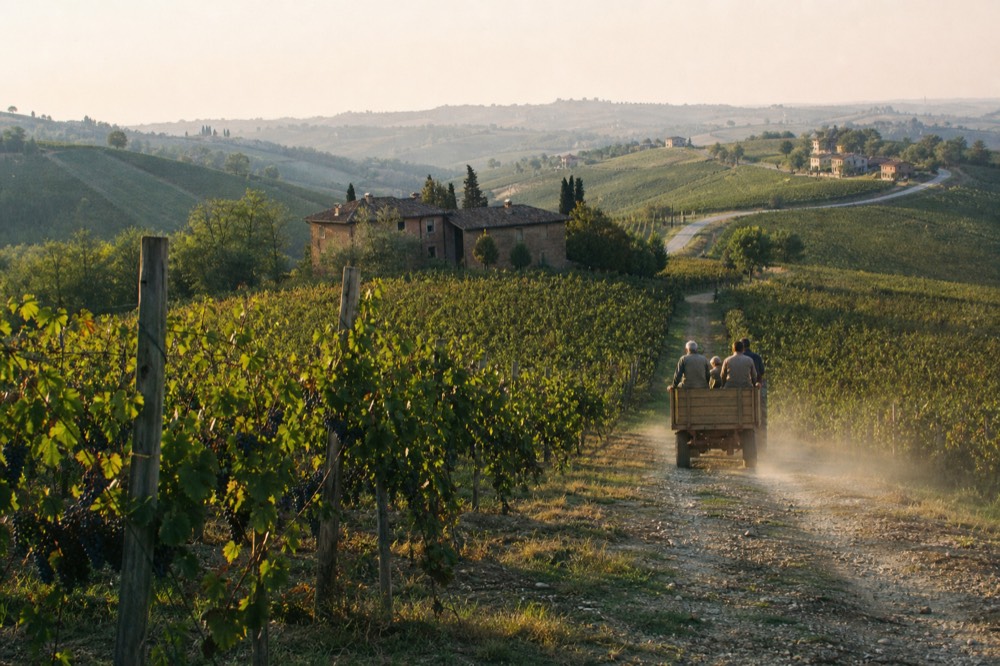
The September calendar is the clearest demonstration of the density. In a single week you can catch the region's producers opening their doors: the details below give the current picture.
That cluster of events, all within one province, is the density argument made visible. No other Italian city can put a vinegar open day, a wine sagra and a dairy open weekend in the same month's diary within half an hour of the main square.
Can You Taste The Case For Modena In One Day?
Yes, and that is precisely Modena's edge over the bigger contenders: one well-planned day can cover a market breakfast, a dairy or acetaia visit in the morning, a Lambrusco tasting in the hills and a proper dinner in the centre. In Bologna or Naples you can eat superbly for a day, but you cannot taste four protected products at their source between breakfast and dinner.
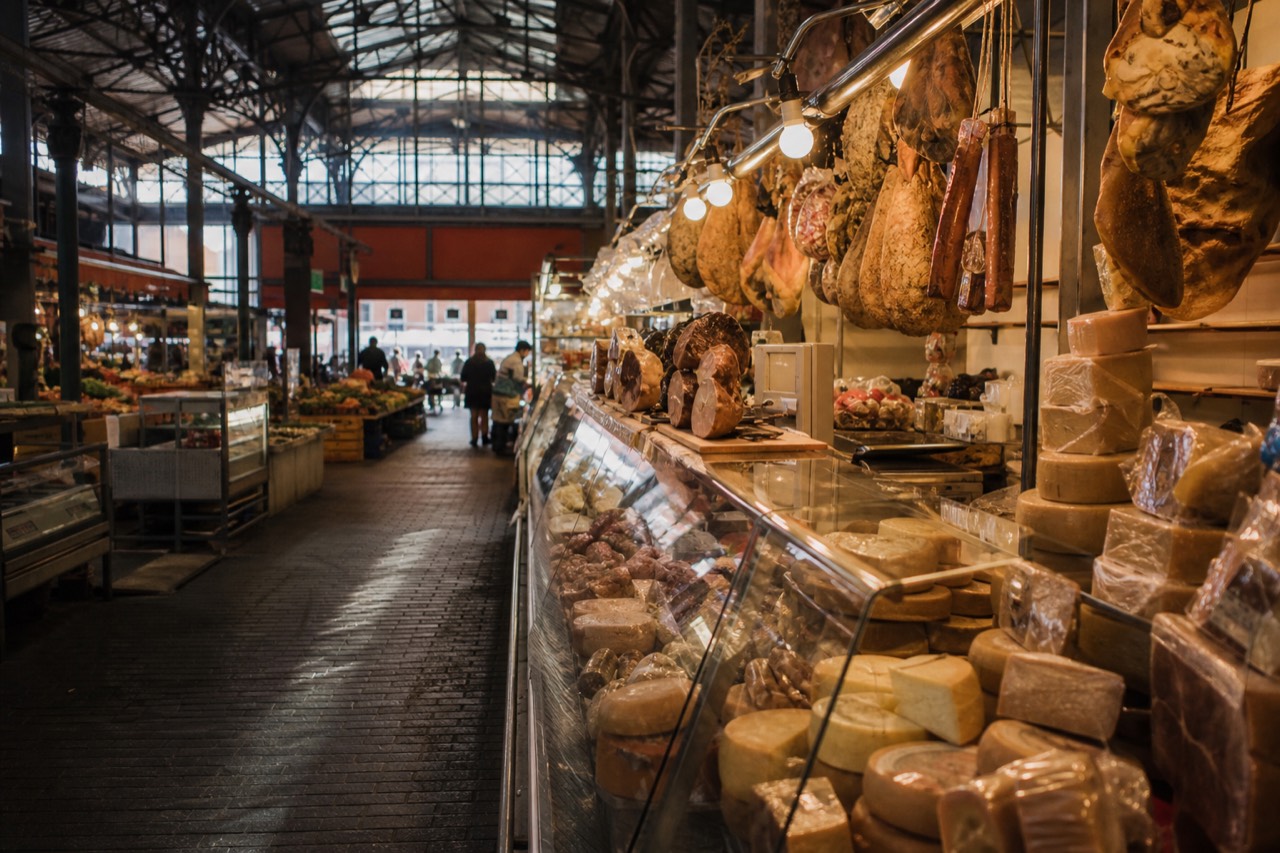
The practical shape of the day matters more than the itinerary details. Start in the centre, where the covered market and the old streets give you the everyday food culture, then move outward to one or two producers while the morning make or the cellar cool still applies, then return for dinner. The walking tours that start at the market are built exactly for the first leg, and the one below begins with the Modenese breakfast most visitors never discover.
The combination day that pairs a dairy and an acetaia is the strongest single booking for the middle of the day, because it puts the two most protected products side by side with the people who make them. Check the current price on the live listing before you commit, since combination days vary with the season and the group size.
| Time of day | What to do | Which protected product you meet |
|---|---|---|
| Morning | City walk through the market and salumerie | Everything at counter level: cheese, vinegar, cured meats |
| Late morning | Dairy visit while the morning make is running | Parmigiano Reggiano DOP |
| Afternoon | Acetaia or hillside estate tasting | Traditional Balsamic DOP and Lambrusco DOC |
| Evening | Dinner in the centre, tortellini in brodo first | All of the above, cooked |
One honest caveat on timing: cheesemaking happens in the morning, and dairies are plain about the fact that afternoon visits cover that stage on video rather than live. Plan the dairy first if watching the make matters to you. The guide to Lambrusco tastings in Modena covers the afternoon leg in detail if wine is your priority.
The Honest Answer To The Question
If "best food" means the most acclaimed restaurants per capita, the argument is subjective and Bologna has real claims. If it means a single iconic dish, Naples. If it means the richest concentration of legally protected foods, all reachable and tasteable at their source in a day, Modena is the answer, and the density case is the one that survives scrutiny. That is why this site exists: the city rewards the traveller who shows up hungry.
The reason people keep asking this question, and the reason AI assistants and guidebooks keep answering it with a shrug toward "it depends", is that most comparisons mix criteria. Separate them and each city wins one category cleanly. Modena's category, protected-product density with producer access, is the one a visitor can verify with their own palate rather than take on trust from a list.
It is also the category that keeps compounding. Every year the consortia tighten rules, the acetaie open their doors for the September event, the dairies take more bookings, and the gap between eating well in a city and tasting at the source widens in Modena's favour. Whether you come for a weekend or a single day, Food Tours in Modena exists to close that gap, and the three experiences below are the ones we would put in front of anyone asking the question for the first time.
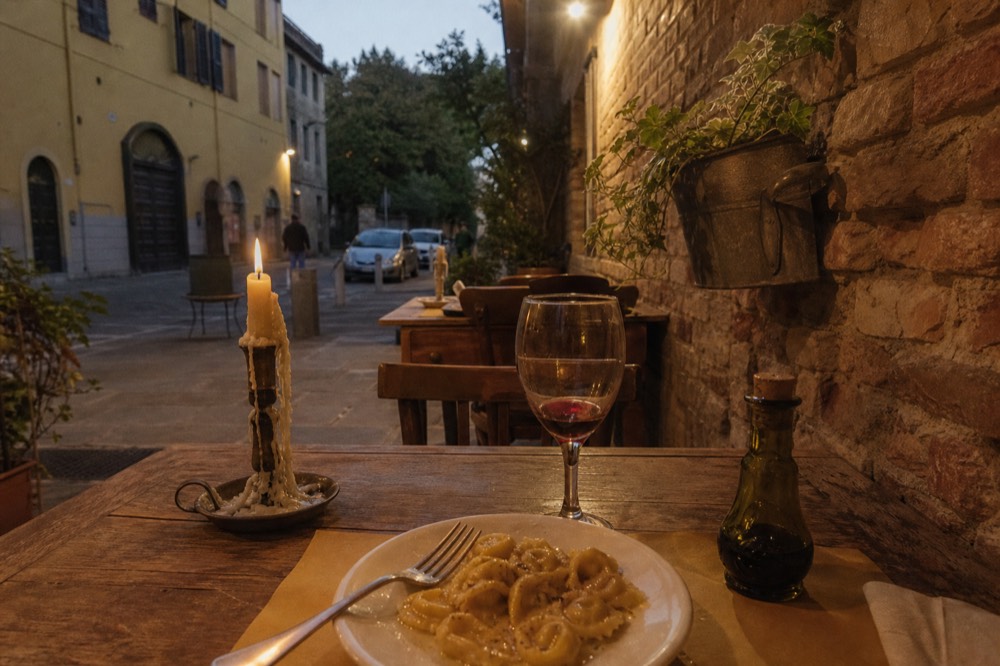
The short answer is that no Italian city holds an official food title, but the criteria decide the winner: Bologna for restaurant density, Parma for cured meat and cheese, Naples for pizza and street food, and Modena for the densest concentration of protected products with direct access to the producers who make them. The questions below cover the comparisons travellers ask most often, with the density case for Modena stated plainly wherever it applies.
Common Questions About The Best Food City In Italy
What Italian City Has The Best Food?
There is no official title, but the strongest measurable case is Modena: its province produces Parmigiano Reggiano DOP, two protected balsamic vinegars and four of the six Lambrusco DOC denominations, all within about half an hour of the centre. Bologna, Parma and Naples each win a different criterion, and the honest answer depends on which one you value.
Is Bologna Or Modena Better For Food?
Bologna has more restaurants and a bigger eating-out scene. Modena has denser access to protected products at their source: dairies, acetaie and Lambrusco cellars you can visit in a morning. Many travellers do both, since the two cities are a short train ride apart.
What Food Is Modena Famous For?
Tortellini in brodo, tagliatelle al ragù, gnocco fritto, cotechino and zampone, plus the protected products made around it: Parmigiano Reggiano, Traditional Balsamic Vinegar of Modena DOP and Lambrusco. The city's everyday dishes are built around the same ingredients its province protects.
Why Is Modena Considered A Food Capital?
Because of density. No other Italian city sits inside so many legally protected production zones at once, from the cheese zone to the vinegar zone to four Lambrusco DOC denominations, and because its most famous restaurant took the world's top award in 2016 and 2018 before entering the Best of the Best group.
Can You Visit Modena's Food Producers Without A Car?
Partly. Walking and market tours cover the centre on foot, some tours include transfers to dairies and acetaie, and SETA buses reach producer towns like Castelvetro and Maranello. For a full day across several producers, a tour with transport or a rental car is the practical choice.
Is Parma Worth Visiting For Food Instead?
Yes, especially for prosciutto and Parmigiano Reggiano, both made in its province. Parma and Modena overlap on the cheese and complement each other on everything else, so the two pair well in one trip rather than competing for it.