Acetaia Visits In Modena: How A Booked Vinegar Cellar Tour Actually Works
Almost every acetaia in Modena province is a private family farm that opens by appointment only. This guide explains what actually happens on a booked visit: the graded battery of barrels, the loft that breathes with the seasons, and the rules that make Traditional Balsamic of Modena DOP what it is.
Short answer
An acetaia visit is a booked walk through a family vinegar loft in Modena province. You see the batteria of shrinking barrels, learn the 12-year minimum ageing, and taste the DOP alongside local products. Most acetaie open by appointment only, and the annual open day is Sunday 27 September 2026.
Almost every acetaia in Modena province is a private farm first and a visitor attraction second. Families have kept batteries of vinegar barrels in their attics for generations, and the ones that welcome guests do so by appointment, on their own schedule, around the rhythms of the product rather than the rhythms of tourism. That is the single most useful thing to understand before you book: an acetaia visit is closer to being received in someone's home than to buying a ticket to a museum.
This guide covers the mechanics of the visit itself. For the shopping side, which bottle to buy and how to read a label, see our companion pieces on traditional balsamic DOP versus IGP and how to buy real balsamic in Modena.
What Is An Acetaia And Why Is It Nearly Always A Private Farm?
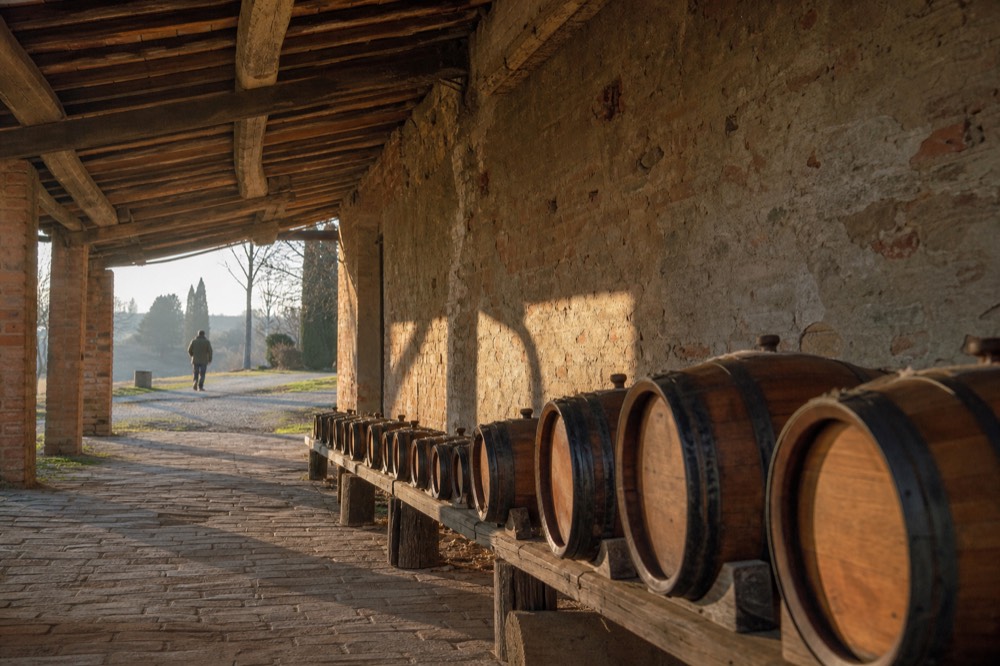
An acetaia is the attic or loft where a family ages Traditional Balsamic Vinegar of Modena DOP, and in Modena province it is almost always attached to a private house rather than run as a public attraction, which is why visits run by appointment and why the annual open day matters so much to local families.
The word itself simply means "vinegar house". What distinguishes a real acetaia from a shop that sells balsamic is that the product is made and aged on the premises, in a batteria of wooden barrels kept in a loft where the temperature swings naturally through the year. The rules are strict about this: for Aceto Balsamico Tradizionale di Modena DOP, the grapes, the ageing and the bottling must all happen inside the province of Modena, as set out in the production disciplinare. There is no factory elsewhere filling bottles labelled Modena.
The private-farm character is not a quirk, it is the structure of the industry. A batteria is handed down and topped up across generations, and each family's vinegar tastes slightly different because each loft and each barrel set behaves differently. The DOP consortium's own FAQ notes that many acetaie take booked guided visits and that the tasting on such a visit is free when you contact an acetaia directly through its map. Commercially listed tours, the kind you can book online in a couple of clicks, wrap transport, a guide and a structured tasting around that same farm visit, which is why they cost money while a direct appointment may not.
Here is how the two routes to a loft compare:
| Direct appointment with a family acetaia | A booked tour with transport and guide | |
|---|---|---|
| How you arrange it | Contact the acetaia yourself, often by phone or email | Book online through the operator's live listing |
| What it usually costs | Often free to taste, per the consortium's FAQ | A per-person price covering guide, tasting and sometimes transport |
| Language | Depends on the family hosting you | Typically offered in English and Italian |
| Transport | You get yourself there | Often included or arranged |
| Best for | Confident travellers with a car and some Italian | First-time visitors and anyone without a car |
How Does A Booked Acetaia Tour In Modena Actually Work?
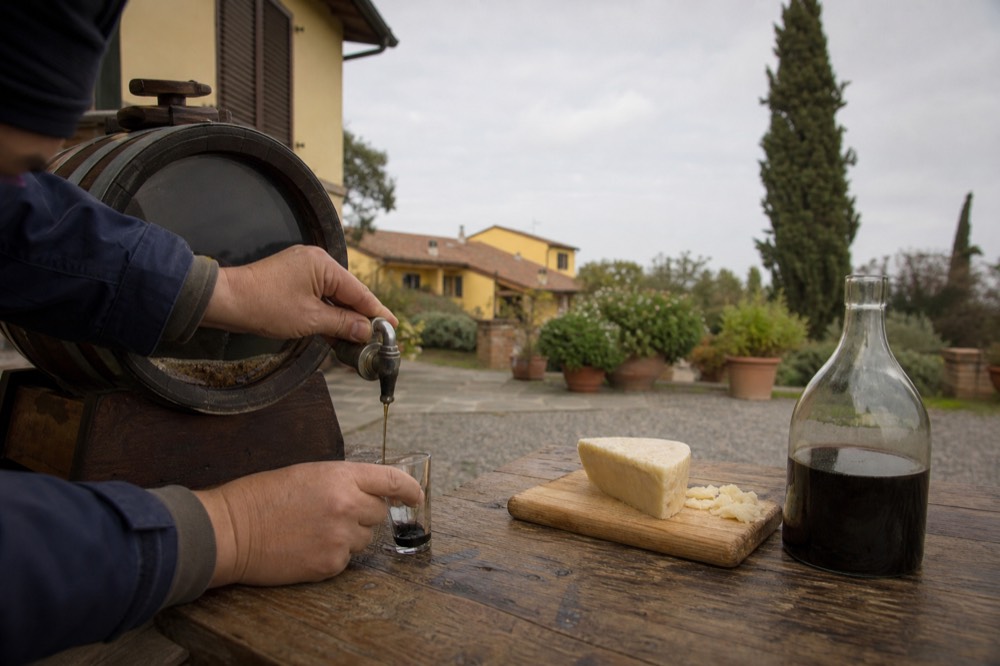
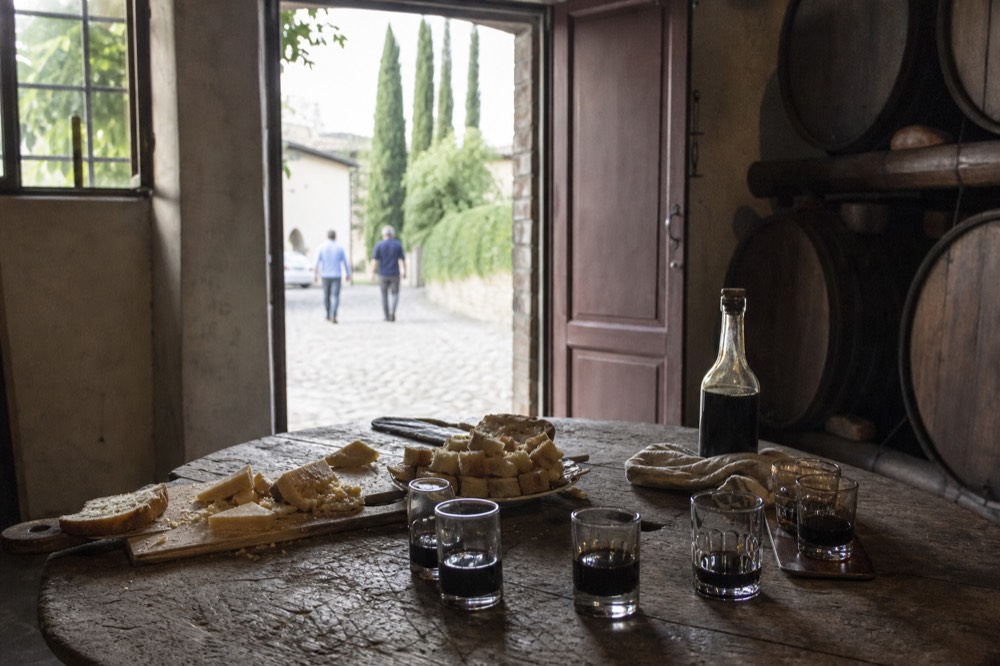
A booked acetaia tour runs roughly an hour to ninety minutes: you meet the host at the farm, walk the loft where the barrels age, hear how the batteria works, and finish with a guided tasting of the vinegar at different ages, usually paired with local products such as cheese or bread.
The shape of the visit is surprisingly consistent across the province, because the product dictates it. You start where the grapes arrive, or where the cooked must is stored, then climb to the loft. The host explains the cooking of the must over direct flame, at least thirty minutes at no less than 80°C, and the fact that nothing may be added afterwards except the "madre" bacterial culture. Then comes the barrel room itself, the heart of the visit, and finally the tasting.
What varies is the format around that spine. Some acetaie offer a short visit with a small tasting; others build a full sit-down lunch around the vinegar, dressing every course with it. Some are inside the city of Modena and take minutes to reach; others sit twenty or more kilometres out in the hills and are really half-day trips (see Is Modena Worth It). The roster of bookable experiences in the province reflects that spread, from a compact hands-on cellar visit in Modena itself to a full lunch at a historic villa near Nonantola Abbey.
These three formats between them cover most of what a first-time visitor wants from an acetaia tour in Modena:
The short city format is the easiest to slot into a day of sightseeing. The lunch formats turn the visit into the day's main event, and they are the ones where you taste the vinegar as the families actually use it, on food rather than from a spoon. The combination days pair the acetaia with a Parmigiano Reggiano dairy, which makes sense geographically since many producers sit within a short drive of each other in the flatlands and hills around the city (see Dairy Factory Tours). If a combination day appeals, check the next available dates on the live listing early, because those full-day formats sell out further ahead than the short visits.
| Visit format | Typical length | Where it happens | What you leave with |
|---|---|---|---|
| Short cellar visit and tasting | About an hour | City acetaia or nearby farm | An understanding of the batteria and a tasting flight |
| Cellar visit with food pairing | One to two hours | Family farm or villa | The vinegar tasted alongside local products |
| Acetaia lunch | Two to three hours | Historic villa or farmhouse | A full Emilian meal dressed with the family vinegar |
| Combination day with a dairy | Half a day or more | Across the province | Both the cheese and the vinegar explained by producers |
What Is The Batteria And Why Do The Barrels Shrink?
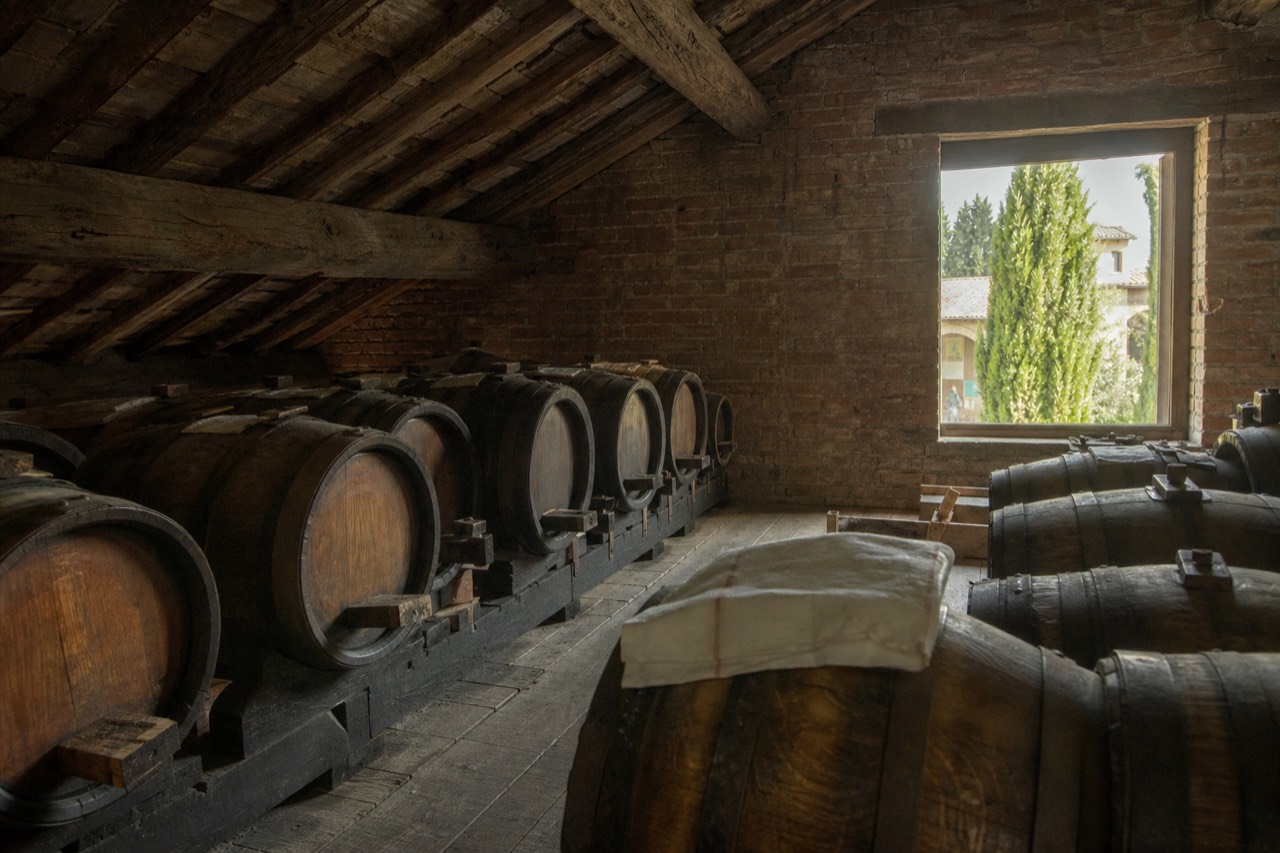
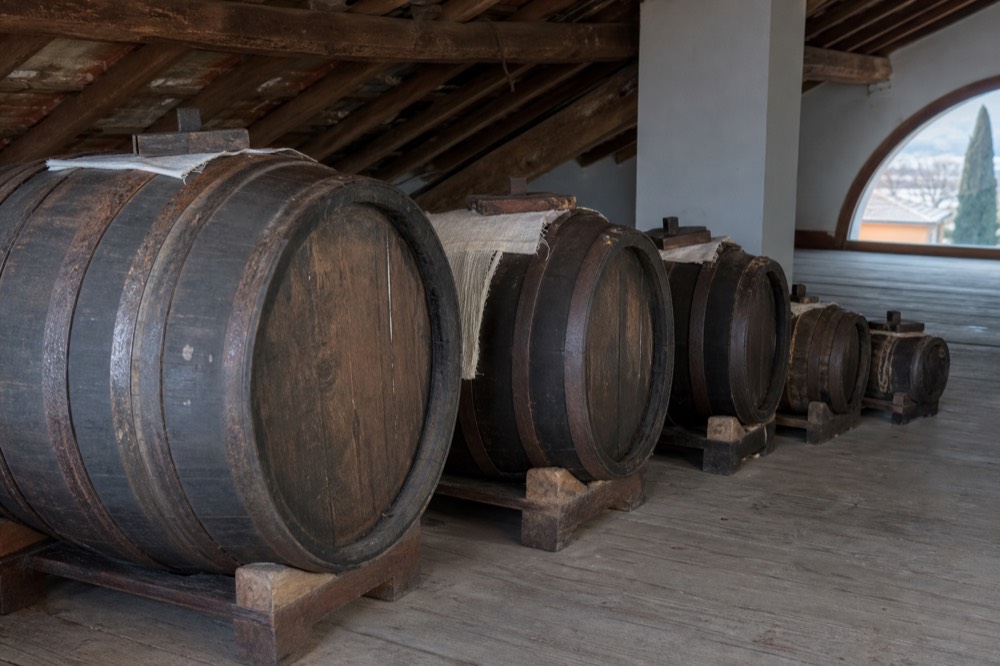
The batteria is the graded battery of barrels, typically five to eight of decreasing size and different woods, through which the vinegar is decanted year by year, and it is the thing every acetaia visit is built around, because understanding it is understanding why Traditional Balsamic of Modena takes a minimum of twelve years.
Each barrel in the series is smaller than the last, and each is made of a different wood, often chestnut, oak, mulberry, cherry or juniper, contributing its own character. Once a year, in the cold season, the family draws off a small amount from the smallest barrel, the one ready for bottling, then refills it from the barrel above, and so on up the line. The largest barrel receives the new cooked must. Nothing is rushed, and nothing is skipped: the disciplinare sets the minimum ageing at 12 years, in every case not less than 12, with the second grade, Extra Vecchio, at a minimum of 25 years.
Two details from the rules surprise most visitors. First, the word "Extra vecchio" is the only extra wording the disciplinare allows on a label: terms like "riserva", "selezionato" or any vintage year are expressly banned. Second, there is no such thing as 50- or 100-year-old Traditional Balsamic, only barrels that old; the consortium says so itself in its FAQ. A loft can hold barrels a century old, but the vinegar drawn from them is still graded by the rules, 12 years or 25 plus, and nothing else.
The visit usually ends at the bottle, and the bottle has its own story. The shape is mandatory and unique, Giorgetto Giugiaro's 1987 design, a spherical body on a rectangular base in solid white crystalline glass. The famous retail size is 100ml, though the disciplinare permits 10cl, 20cl or 40cl in that same shape. Every bottle carries a non-reusable numbered seal, with serial numbers beginning "A" for the 12-year and "E" for Extra Vecchio, plus a second algorithm-linked number as an anti-counterfeit check. You can read the full rules on the consortium's bottle and seal page.
Why Does The Loft Have To Swing With The Seasons?
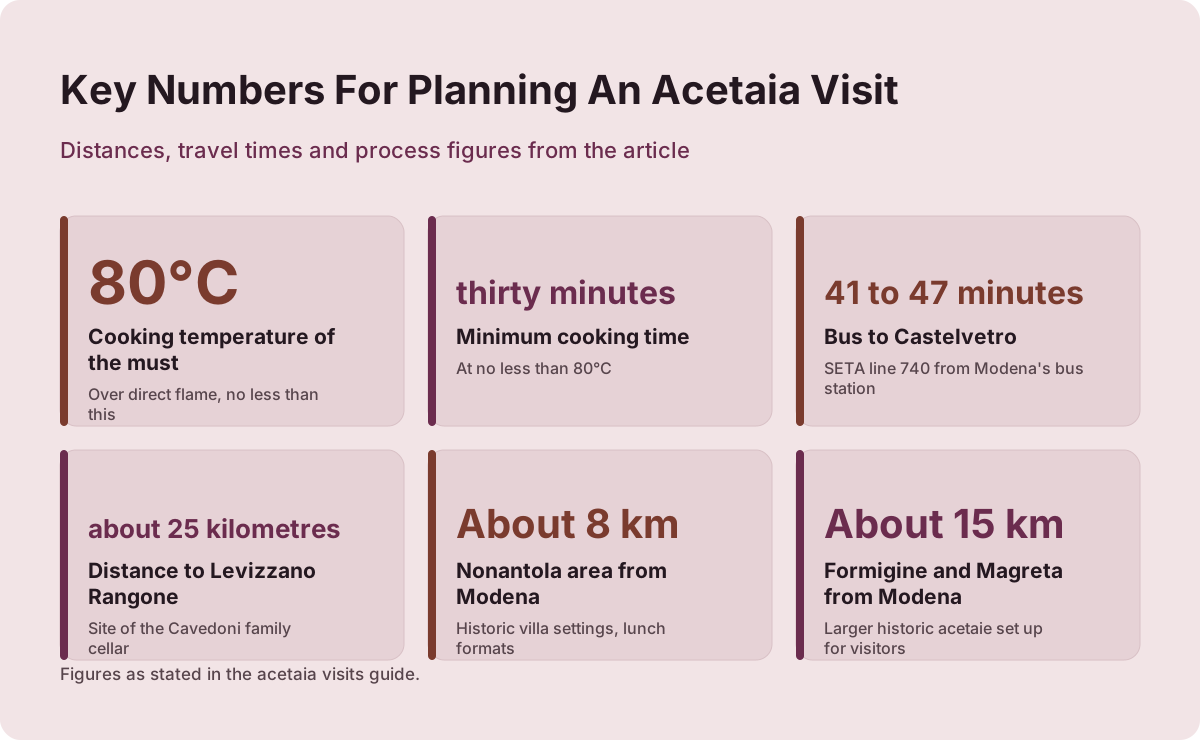
The loft matters because Traditional Balsamic of Modena ages through evaporation and microbial activity that depend on temperature swings, so the attic must get hot in summer and cold in winter, and a host will show you the roof tiles, the windows and the barrel positions that manage those swings.
This is the part of the visit that photographs worst and explains most. The barrels sit under a roof that bakes in July and chills in January, and that is deliberate. Heat drives evaporation, concentrating the vinegar; cold slows the work of the acetobacteria and lets the solids settle. A constant, climate-controlled room would produce something else entirely, which is one reason the disciplinare ties the product to its territory: the ageing must happen in Modena province, in lofts that behave like Modena lofts.
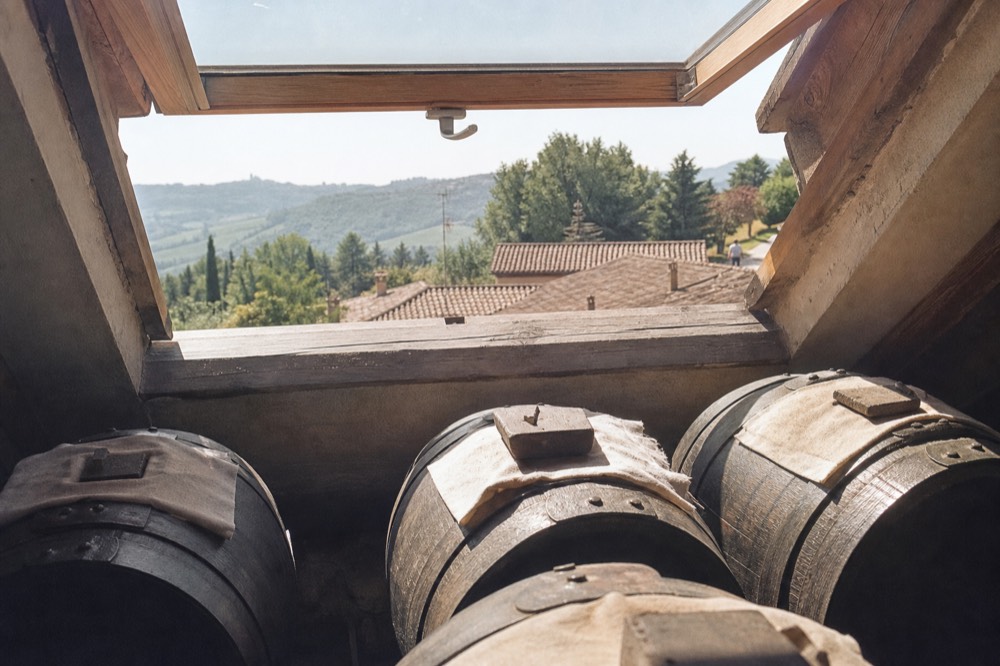
Hosts point out the practical evidence. You may see gaps left deliberately between barrels for airflow, or a window propped open in a way that looks accidental and is not. The annual drawing-off and topping-up happens in the cold season precisely because the vinegar is quiet then. If you visit in summer, the loft will be noticeably warm and the host will likely mention that the angels' share, the volume lost to evaporation, is at its highest. It is a genuinely good question to ask your host how the 2025 weather affected their must, since spring rain and summer heat shaped the grape harvest across the region that year.
| Season | What happens in the loft | What you notice on a visit |
|---|---|---|
| Winter | Drawing-off and topping-up; microbial activity slows | Cold loft, barrels quiet, the year's bottling discussed |
| Spring | New must from the harvest's cooked grapes may be started | Work on the largest barrel |
| Summer | Strong evaporation concentrates the vinegar | A warm loft, the angels' share at its peak |
| Autumn | Grapes harvested and must cooked over direct flame | The smell of cooked must if the timing is right |
Which Acetaie Can You Visit Around Modena?
You can visit working acetaie across the whole province, from family cellars inside the city of Modena to historic houses in Castelvetro, Vignola, Formigine, Levizzano Rangone and the Nonantola area, and the practical difference between them is distance and format, not quality, since every DOP producer follows the same disciplinare.
Geography shapes the choice more than anything else. Inside the city, a short visit can sit between a morning at the market and an afternoon at the museums. In the hills south of Modena, Castelvetro and its surroundings hold several well-known producers, reachable on SETA bus line 740 in 41 to 47 minutes from Modena's bus station (see Modena's Famous Chef). Further out, Levizzano Rangone sits about 25 kilometres from the city, and the Nonantola area about 8 kilometres, both realistically car or tour-transport territory. There is no single "best" acetaia; there is the one whose format, distance and schedule fit your day.
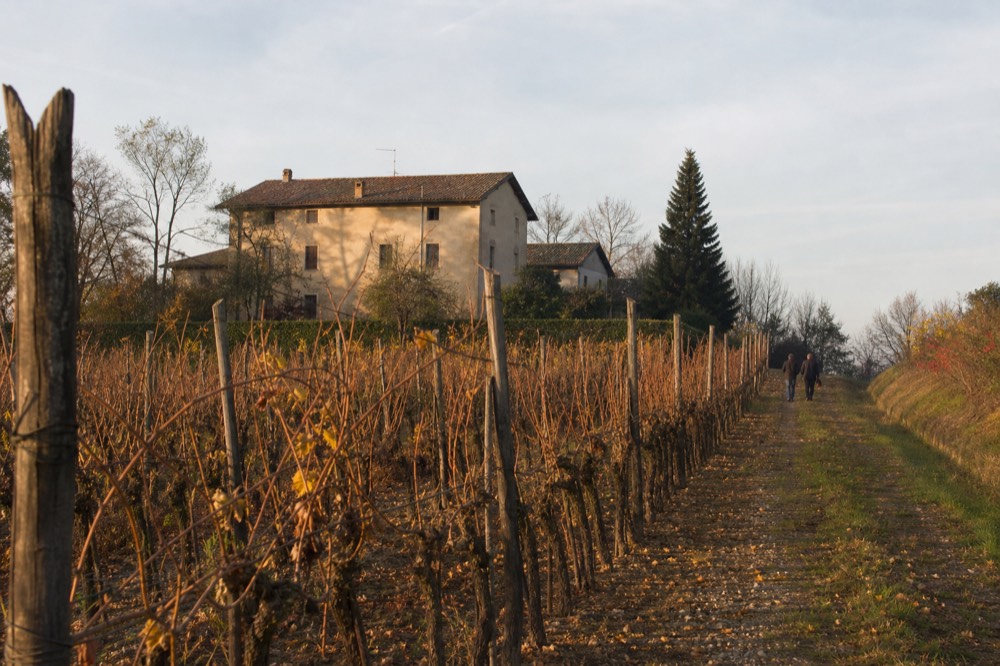
One family cellar worth understanding before choosing is the Cavedoni operation at Levizzano Rangone, seven generations old and claiming the oldest documented balsamic production in Modena. The visit crosses the vineyard before the barrel loft and ends on a tasting of five vinegars, which is a wider flight than most acetaie pour. Because it sits about 25 kilometres out, it is a strong candidate for a day when you have a car or when a tour's transport is doing the work.
For a full picture of the bookable options, our guide to balsamic vinegar tours in Modena breaks down the whole roster by format and location. And if you are weighing the DOP you will taste in a loft against the IGP you will see in shops, the comparison is set out plainly in our DOP versus IGP explainer, including the IGP's 60-day minimum maturation in wood against the DOP's 12 years.
| Area | Distance from Modena | Getting there | Character of the visit |
|---|---|---|---|
| Central Modena | In the city | On foot | Short, hands-on, easy to combine with sightseeing |
| Nonantola area | About 8 km | Car or tour transport | Historic villa settings, lunch formats |
| Formigine and Magreta | About 15 km | Car, tour transport | Larger historic acetaie set up for visitors |
| Castelvetro | Bus line 740, 41-47 min | Bus, car or tour | Hill-town producers, some with century-old barrels |
| Levizzano Rangone | About 25 km | Car or tour transport | Seven-generation family cellar, vineyard walk |
When Is The Best Time To Visit An Acetaia?
The best time to visit an acetaia is autumn, when the grape harvest and the cooking of must are happening and the annual open day falls, though visits run year-round by appointment and winter has its own appeal because that is when the drawing-off and topping-up of the barrels takes place.
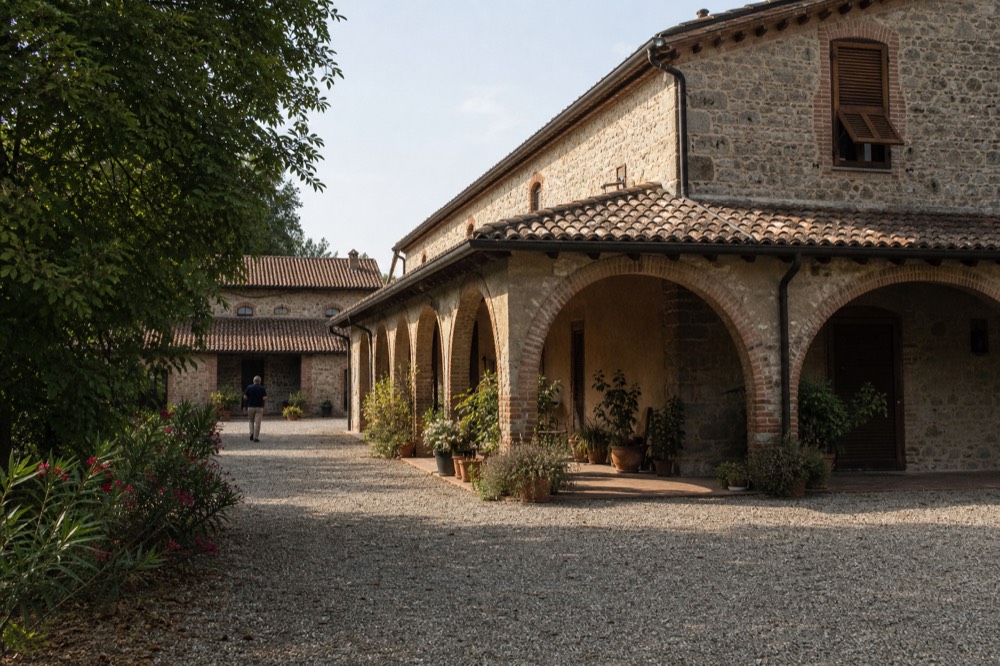
If your dates are flexible, late September is the sweet spot. The Acetaie Aperte open day in 2026 falls on Sunday 27 September, when more than 30 acetaie across the province open their doors for guided visits and tastings of both the DOP and the IGP, an event run jointly by the two consortia. Several participating acetaie take bookings only even on the open day, so check the arrangements on the event's official page rather than turning up and hoping. The same weekend, Castelvetro's Sagra dell'Uva e del Lambrusco Grasparossa runs from 19 to 27 September, so a hill-town acetaia visit can be folded into a village wine festival.
Every season offers something different, and none is wrong. Autumn brings the harvest and the smell of cooked must. Winter is when the barrels are worked, and a host may show you the year's drawing-off. Summer shows the loft at its hottest and most active, and spring is when the new must starts its journey. The one structural constraint is that these are working farms: appointment slots follow family schedules, and the further-out acetaie have fewer slots per week than the city cellars. Check the next available dates on the live listing before you lock the rest of your itinerary around a visit.
| Time of year | What is happening | Why to go then |
|---|---|---|
| Late September | Harvest, must cooking, Acetaie Aperte on Sunday 27 September 2026 | The fullest calendar of openings in the year |
| October to November | New must starts ageing, festivals wind down | Cooler lofts, quieter bookings, harvest stories |
| Winter | Annual drawing-off and topping-up of barrels | The one time you may see the batteria being worked |
| Spring to summer | Strong evaporation, warm lofts | Easy to combine with city sightseeing |
How Much Planning Does An Acetaia Visit Really Need?
An acetaia visit needs less planning than a table at a famous restaurant but more than a museum: book a few days to a few weeks ahead depending on the format, budget an hour for a short visit or half a day for a lunch or combination format, and decide the transport question before you book, because the out-of-town acetaie are not walkable.
Lead time depends on the format. A short city visit can sometimes be booked a day or two out. The small family acetaie that punch above their weight, the genuinely hands-on ones with limited slots, book out further ahead than their size suggests, so give yourself a week or more in high season. The full-day combination formats and the lunch formats are the ones to lock in first when planning a trip, since they anchor the whole day. If you are combining products, the classic pairing is a Parmigiano Reggiano dairy in the morning, where cheesemaking happens in the morning and afternoon tours cover that stage on video instead, followed by an acetaia afterwards.
Transport is the second decision. The city acetaie need none. Castelvetro is reachable on line 740, Spilamberto on line 731, and Bomporto, the comune that contains Sorbara, on line 410 in 20 to 22 minutes. The further-flung producers really want a car or a tour with transport included. And if you want the museum grounding before or after a loft visit, the Museo del Balsamico Tradizionale in Spilamberto is open Tuesday to Sunday, with guided visits at 10:45, 12:00, 14:00 and 15:30 and booking recommended, per the museum's own site.
| Planning item | Short city visit | Lunch or combination format |
|---|---|---|
| Booking lead time | A few days, more in high season | A week or more; lock it in first |
| Time to budget | About an hour plus travel | Half a day or more |
| Transport to arrange | None, or a short walk | Car, or a tour with transport included |
| Best combined with | Market, museums, a city food walk | A dairy visit or a hill-town wander |
For travellers building a whole eating itinerary around the city, our Modena food tour prices guide sets out what the various formats cost relative to each other, and the site's own roster, curated by Food Tours in Modena, is the place to compare the acetaia options side by side before committing to a day.
What Should You Ask And Look For During The Visit?
Ask your host three things: how the batteria is topped up each year, what woods the barrels are and how they differ, and which barrel the vinegar you are tasting came from, because those questions unlock the whole visit and most hosts light up when they get them.
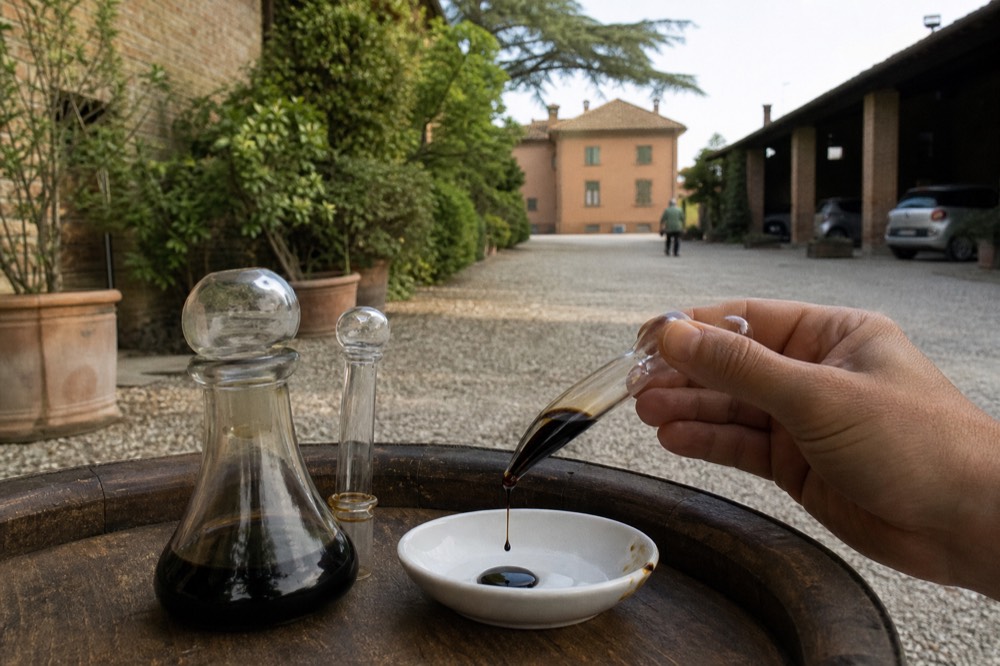
The tasting itself has a logic worth knowing in advance. A good host pours the vinegar at different ages or grades side by side, sometimes the 12-year against the Extra Vecchio, so you can taste the difference concentration makes (see Balsamic vs Modena Balsamic). Traditional Balsamic is tasted in small drops, often from a spoon or a tiny glass, never splashed on salad the way an IGP would be. At consumption the rules require a total acidity of at least 4.5g of acetic acid per 100g and a density at 20°C of at least 1.240, which is why the old vinegar rolls slowly on the spoon. Density is the single most telling sign: a thick, slow, syrupy drop is what years of evaporation look like.
Look, too, at the barrels themselves. Each one in a batteria is numbered and marked, per the disciplinare, and the sequence of sizes tells you the set is real and complete. A loft with mismatched, unmarked barrels of random sizes is not necessarily dishonest, but the graded, marked battery is the signature of the tradition. And when the bottle comes out, turn it over: the numbered seal with its "A" or "E" prefix is the anti-counterfeit check, and no honest producer minds you examining it. In short, the things worth observing, the marked barrels, the slow drop on the spoon, the seal and the side-by-side ages, each tell you something the label alone cannot.
A well-chosen acetaia visit is the moment Modena's food culture stops being a shopping category and becomes a place and a family. These three formats are the ones that deliver that moment most reliably, whether you want it short and central, deep in the hills, or paired with the morning make at a dairy:
Most questions about acetaia visits come down to reservations, transport and what the tasting actually includes, and the answers are consistent: book ahead because these are working family farms, expect about an hour for a short visit and half a day for a lunch or combination format, and plan the transport before you book, since the out-of-town producers are not walkable. The details below cover the six questions visitors ask most.
Common Questions About Acetaia Visits In Modena
Do You Need A Reservation For An Acetaia Visit In Modena?
Yes, almost always. Most acetaie are private family farms that open by appointment only, and even the annual Acetaie Aperte open day sees several participating acetaie taking bookings only. Book a few days ahead for a short city visit and a week or more for lunch or combination formats in high season.
What Is The Difference Between An Acetaia Visit And A Balsamic Tasting At A Shop?
An acetaia visit takes you into the loft where the barrels actually age, with the family that runs them explaining the batteria. A shop tasting happens at a counter. Only the visit shows you the graded barrels, the seasonal loft and the bottling rules in context.
How Long Does An Acetaia Tour Take?
A short cellar visit with tasting runs about an hour. A visit with a food pairing runs one to two hours, an acetaia lunch two to three hours, and a combination day that adds a Parmigiano Reggiano dairy takes half a day or more.
Can You Visit An Acetaia Without A Car?
Partly. Acetaie inside the city of Modena are walkable. Castelvetro is reachable on SETA bus line 740 in 41 to 47 minutes, Spilamberto on line 731, and Bomporto on line 410 in 20 to 22 minutes. The producers further out, such as those around Levizzano Rangone about 25 kilometres away, realistically need a car or a tour with transport included.
What Is Acetaie Aperte And When Is It In 2026?
Acetaie Aperte is the annual open day when more than 30 acetaie across Modena province open their doors for guided visits and tastings of both the DOP and the IGP. The 2026 edition falls on Sunday 27 September, organized jointly by the two consortia. Several acetaie take bookings only, so check the event's official page first.
Is The Tasting At An Acetaia Free?
When you contact a family acetaia directly and book a guided visit, the DOP consortium's own FAQ says the tasting is free. Commercially listed tours charge a per-person price because they add a guide, structure, and often transport; check the live listing for the current price before you plan the day.