What Food Is Modena Famous For?
The four plates Modena is actually known for, the Bologna dishes routinely mis-credited to it, and the DOP products that surround every table in the city.
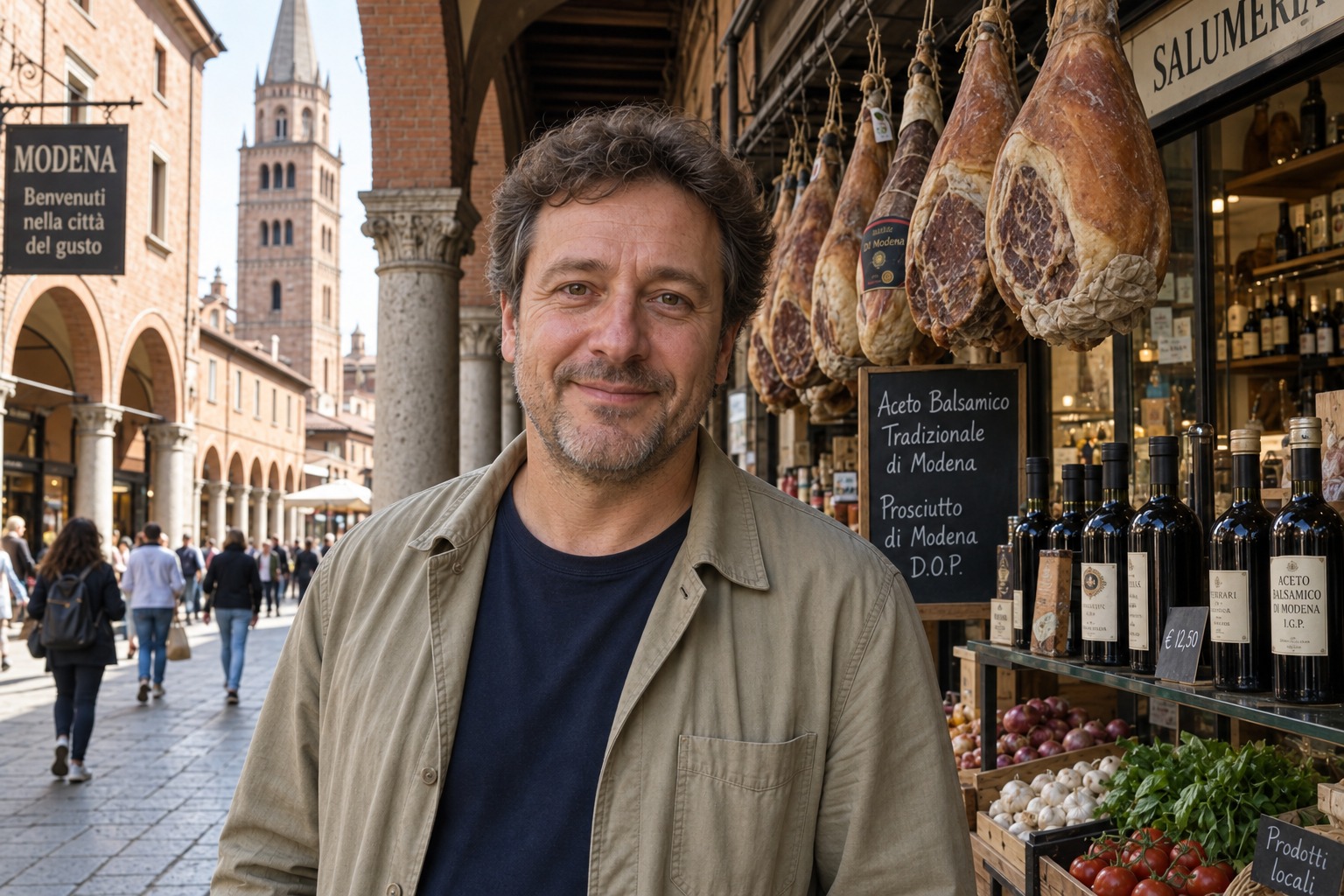 By Marco Montanari, Modena food tour guide and Emilian culinary specialist
Modena is famous above all for four things: tortellini in brodo, the cured pork pair of zampone and cotechino, the fried breads gnocco fritto and tigelle, and Aceto Balsamico Tradizionale di Modena DOP, the twelve-year-minimum vinegar that can only be made and bottled in this one province. Around those four sit Parmigiano Reggiano and Lambrusco, the everyday cheese and wine of the Emilian table. What Modena is not famous for, despite constant repetition, is tagliatelle al ragù and mortadella: those are Bologna's, and the confusion matters if you are planning what to eat here. This site, Food Tours in Modena, exists to separate the two lists properly.
What Food Is Modena Famous For?
The short answer is four plates: tortellini in brodo, small hand-folded pasta rings served in golden capon broth; zampone and cotechino, the stuffed trotter and large cured pork sausage of the winter feast; gnocco fritto and tigelle, the puffed and pressed breads that carry cured meats; and Aceto Balsamico Tradizionale di Modena DOP, the barrel-aged vinegar whose rules are stricter than almost any condiment in Europe. Everything else on a Modenese menu, the Parmigiano, the Lambrusco, the cured hams, orbits those four. If you eat nothing else in the city, eat those four, in that order of importance.
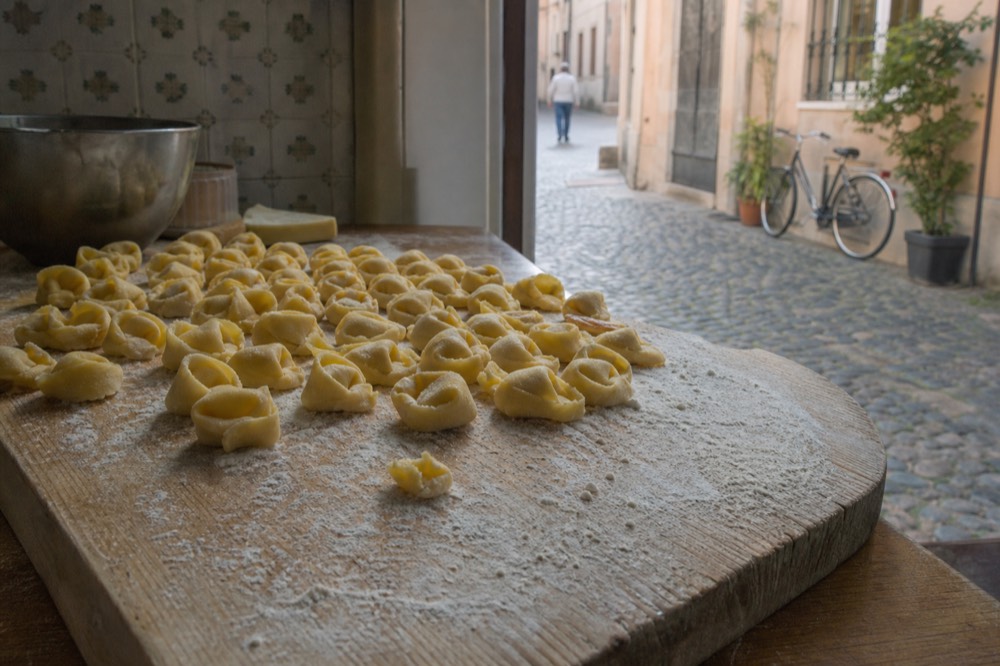
Start with the one dish that carries the most local feeling. Tortellini in brodo is the Sunday and Christmas dish of Modena, a pasta filled by tradition with pork loin, prosciutto and Parmigiano Reggiano, served in a clear capon broth. The traditional filling of pork loin, prosciutto, Parmigiano Reggiano, egg and nutmeg is a matter of tradition, handed down in home kitchens and osterie rather than written as a fixed legal specification (see Parmigiano vs Parmesan). The broth is the other half of the dish: capon or hen, simmered for hours, and Modeneses will tell you the broth is where the judgement happens. A plate of dry tortellini in cream sauce is a different food entirely, and ordering it here marks you as a visitor faster than any accent (see Tortellini and Broth).
The cured pork pair comes next. Zampone is a pig's trotter deboned and stuffed with a spiced pork mixture, cotechino is the same mixture in a sausage skin, and both are traditionally eaten with lentils on New Year's Eve across Italy, but they are made in Modena province, which holds its own protected name for them (see Is Modena Worth It). From late autumn through winter they appear on every serious osteria menu, usually with purée of potatoes or lentils and a glass of Lambrusco to cut the richness. The city does not close in August, despite the legend, but the winter months are when this part of the repertoire shines.
The breads are the everyday face of Modena. Gnocco fritto is a lard-rich dough cut into squares and deep-fried so it puffs into hollow pillows, split and filled with cured meats while still hot. Tigelle are small round flatbreads cooked in a press, split and stuffed the same way, often with a soft cured lardo spread. In the hills south of the city they are the default lunch, and in town the best versions come from the same salumerie that cure the meats that fill them. The Modenese breakfast of fried gnocco and coffee is the one meal most visitors never discover on their own, because it is eaten standing at a bar counter before nine.
| The plate | What it is | When Modenese eat it |
|---|---|---|
| Tortellini in brodo | Hand-folded pasta rings in capon or hen broth | Sundays, Christmas, weddings |
| Zampone | Deboned stuffed pig's trotter | Winter, New Year's Eve with lentils |
| Cotechino | Large soft cured pork sausage | Winter, with lentils or mash |
| Gnocco fritto | Deep-fried puffed dough split and filled | Breakfast, lunch, aperitivo |
| Tigelle | Small pressed flatbreads split and filled | Everyday hill-country lunch |
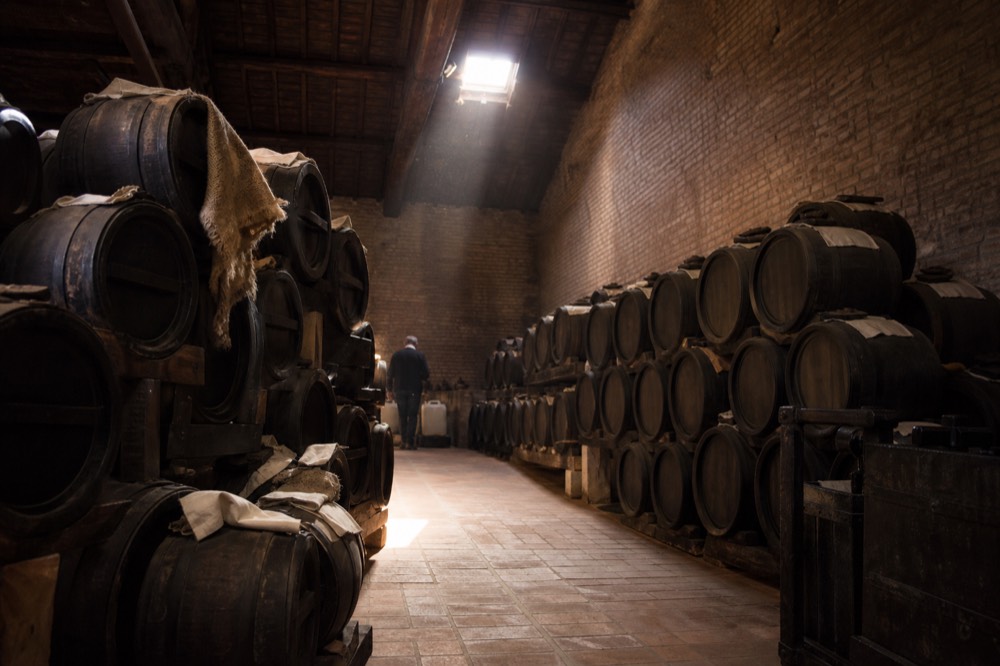
The fourth plate is not a plate at all. Aceto Balsamico Tradizionale di Modena DOP is cooked grape must, aged by successive decanting through a graded battery of small barrels of different woods for a minimum of twelve years, with nothing added except the bacterial culture that starts the acetification. The consortium's production rules allow only two grades, the twelve-year Affinato and the Extra Vecchio at twenty-five years minimum, and every bottle carries a numbered seal in the mandatory Giugiaro-designed glass. It is served in drops, on cheese or strawberries or nothing at all, and it is the single product that cannot be copied anywhere else on earth, because grapes, ageing and bottling must all happen inside the province of Modena.
If you want to meet those four plates in one sitting rather than hunting them one by one, a guided walk through the old centre and the covered market is the efficient way in. The version hosted by a local guide starts on that Modenese breakfast, then works through the market and the salumerie. Check the current price on the live listing before you plan the day.
The Bologna Dishes Routinely Credited To Modena
The dishes most often mis-attributed to Modena are tagliatelle al ragù, lasagne verdi alla bolognese and mortadella, and all three belong squarely to Bologna's culinary tradition rather than Modena's. Tagliatelle al ragù, the classic meat pasta many outsiders call "spaghetti bolognese," is a Bolognese staple, as are the spinach-green lasagne and the sliced pink mortadella that appear on tables across the Emilia-Romagna region. The confusion is understandable, because the two cities share a region, an egg-pasta dough and a love of pork fat, and the ragù the world calls bolognese is cooked in Modenese home kitchens too. But the famous versions, the ones with the protected names and the registered recipes, are Bolognese, and a traveller who arrives in Modena hunting tagliatelle al ragù is shopping in the wrong city.
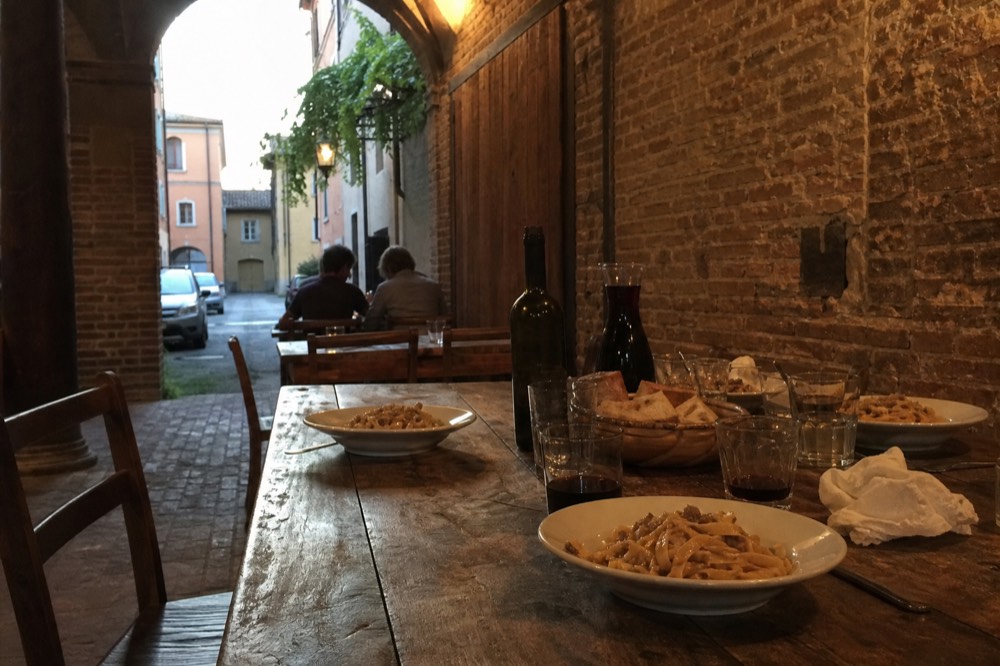
Tagliatelle al ragù is the headline case. The classic ragù alla bolognese, with its minced beef, pancetta, soffritto and a splash of milk, is a Bologna dish with a registered recipe deposited by that city's chamber of commerce. Modena's own meat sauce tradition runs through its tortellini filling and its winter braises rather than a ribbon-pasta ragù. You will find tagliatelle on Modenese menus, and good versions exist, but it is not the city's signature, and no Modenese would claim it as one. The same goes for the spinach-pasta lasagne verdi, which is Bologna's layered centrepiece and appears in Modena only as a borrowed guest.
Mortadella is the second regular mix-up. The protected name, Mortadella Bologna, says the city itself: the production zone is wide, but the historic centre of the tradition is Bologna, and it is Bologna that holds the festival. Mortadella appears on every Modenese tagliere, often folded into a hot square of gnocco fritto, and it is welcome there, but it arrives as a neighbour's gift, not a home product. The honest framing is that Modena and Bologna are two kitchens inside one culinary family: they share the egg pasta, the pork, the Parmigiano and the Lambrusco, and they differ on the centrepieces (see Days in Modena). Modena's centrepieces are the four plates above plus its vinegar; Bologna's are the ragù, the mortadella and the lasagne.
| Dish | Where it actually belongs | Where you will find it in Modena |
|---|---|---|
| Tagliatelle al ragù | Bologna, with a registered recipe | On many menus, as a shared regional dish |
| Mortadella | Bologna, under its protected name | On taglieri and inside gnocco fritto |
| Lasagne verdi | Bologna | Occasionally, not a local signature |
| Tortellini in brodo | Modena, with its own denomination | Everywhere, in season |
| Zampone and cotechino | Modena province tradition | Winter menus across the city |
One dish sits genuinely on the border: the larger filled pasta shapes, tortelloni and the long tagliatelle ribbons, both appear in Modenese home cooking, and the city's cooking classes teach them happily. The distinction that matters to a visitor is not a wall but a matter of pride and signature. Eat the ragù in Bologna. Eat the broth and the vinegar here. For a fuller map of the city's own table, our guide to what to eat in Modena walks the plates street by street.
The Products That Surround Every Modenese Plate
Three protected products sit around the four plates at every Modenese meal: Parmigiano Reggiano DOP, the aged cheese that finishes the pasta; Lambrusco, the local frizzante red poured with everything from salumi to cotechino; and the two balsamic names, the DOP and the IGP, which are entirely different products with different rules and must never be confused with each other. None of the three is optional in Modena. The cheese goes into the filling and onto the table, the wine washes down the pork, and the vinegar, in its two very different forms, dresses the cheese or the strawberries.
Parmigiano Reggiano is made in a zone that covers the provinces of Parma, Reggio Emilia, Modena, Bologna left of the river Reno and Mantova right of the Po, and the consortium's marks guide explains what to look for on the rind: the dotted origin lettering, and the oval fire brand applied only at twelve months to wheels that pass the hammer-tested inspection. The cheese is just milk, salt and rennet, the rind is edible, and it is naturally lactose-free at every age. In Modena it is grated into tortellini filling, eaten in chunks with the traditional vinegar, and served at every age from twelve months upward.
Lambrusco deserves its own correction, because it is the most misrepresented wine in Italy. The Lambrusco consortium covers six DOC denominations, four of them in Modena province: Sorbara, Grasparossa di Castelvetro, Salamino di Santa Croce and Modena DOC, with Reggiano and Colli di Scandiano e di Canossa across the border in Reggio Emilia. Every one of the six is made across the full style range, secco, semisecco, amabile and dolce, so the blanket claim that "Lambrusco is dry, not sweet" is false. What is true, and what matters at the table, is that the dry secco style is the one poured alongside Modena's pork and pasta, its acidity and gentle fizz cutting through the lard and the broth.
The balsamic distinction is the one thing a food visitor to Modena cannot afford to get wrong. Aceto Balsamico Tradizionale di Modena DOP is cooked must alone, aged twelve or twenty-five years minimum, sold only in the Giugiaro bottle with a numbered seal. Aceto Balsamico di Modena IGP is a different product: grape must with at least ten percent wine vinegar added, a share of vinegar at least ten years old, and a minimum of sixty days in wood. That single comparison, twelve years against sixty days, is the honest explanation of the price gap between a small sealed DOP bottle and the supermarket IGP. If you want the full breakdown, our article on the difference between balsamic vinegar of Modena and balsamic vinegar takes it rule by rule.
| Product | Protection | What it brings to the Modenese table |
|---|---|---|
| Parmigiano Reggiano | DOP, five-province zone | Grated into fillings, chunked with vinegar |
| Lambrusco (four DOCs in Modena) | DOC | The everyday frizzante red for pork and pasta |
| Aceto Balsamico Tradizionale di Modena | DOP, 12 or 25 years minimum | Drops on cheese and strawberries |
| Aceto Balsamico di Modena | IGP, 60 days minimum in wood | The everyday dressing and cooking vinegar |
The best way to see the DOP side of that table in person is a visit to a working acetaia, the barrel loft where the ageing happens. The most-reviewed balsamic experience in the province pairs a working cellar tour with a full sit-down Emilian lunch dressed with the family's own vinegar, at a historic villa near Nonantola about eight kilometres out of the city. See the next available dates on the live listing if that format fits your trip.
Where To Eat The Four Plates In Modena
The four plates are eaten in three kinds of place: the covered market and its surrounding salumerie for gnocco fritto, tigelle and the breakfast counter; the old-centre osterie for tortellini in brodo and the winter pork dishes; and the producer sites outside the city, the acetaie and dairies, for the vinegar and the cheese at their source. Trying to do all three in one day is possible but rushed, and two days is the comfortable pace. Closing days are per venue, with Sunday and Monday the common ones, so check before you commit an evening.
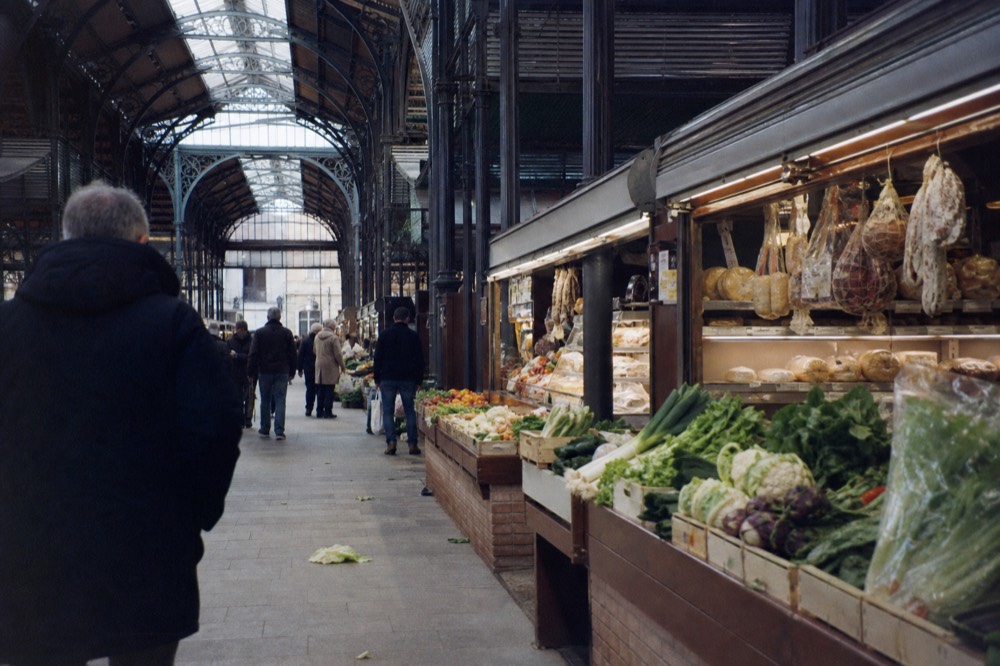
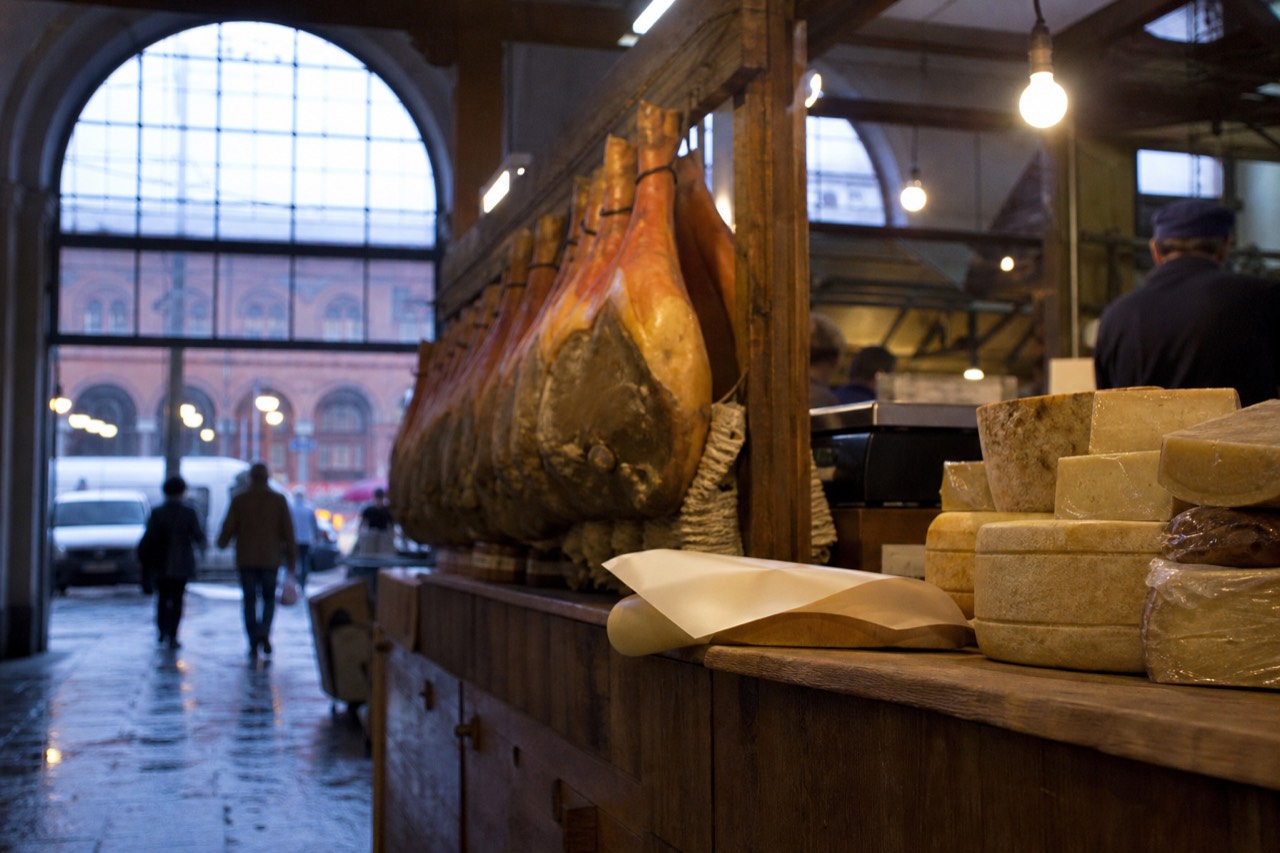
Mercato Albinelli, trading since 1931, is the everyday engine of the city's food. The stalls open Monday to Saturday from early morning to mid-afternoon and close on Sunday, while the restaurants inside keep different hours and open seven days, including Sunday when the stalls are shut. The market's own calendar publishes the closure days for the year, and its extra Sunday openings are listed too, so a market-first morning plans itself around the published schedule rather than guesswork. This is where the salumerie counters that fill gnocco fritto and tigelle live, and where the breakfast version of the fried bread is eaten standing, before the tour groups arrive.
The old-centre osterie carry the broth dishes and the winter pork. Hosteria Giusti, one of the city's long-standing addresses, is closed Sunday and Monday, all August, all December and the first week of January, a reminder that the per-venue closure pattern is the only reliable one. Franceschetta58, the more casual sibling of the city's most famous restaurant, opens Monday to Saturday and closes Sunday. Neither pattern generalises to the city as a whole, and the only safe rule is to check the specific venue before you build a day around it.
The producer sites are the third leg, and they are where the protected products stop being menu items and become places. A Parmigiano dairy visit means the copper vats and the ageing shelves, with cheesemaking happening in the morning and afternoon tours covering that stage on video instead of live (see Dairy Factory Tours). An acetaia visit means the barrel loft and a tasting, and the traditional consortium's own FAQ notes that the tasting on a booked visit is free when you contact an acetaia directly through its map. The combination day that does a dairy and an acetaia back to back, with both explained by the people who run them, is the format that answers this article's question at its source. Check the current price on the live listing before you commit a day to it.
Common Questions About Modena Food
What Food Is Modena Famous For?
Modena is famous for four things: tortellini in brodo, the cured pork pair of zampone and cotechino, the fried breads gnocco fritto and tigelle, and Aceto Balsamico Tradizionale di Modena DOP. Parmigiano Reggiano and Lambrusco sit around all four at every meal. Tagliatelle al ragù and mortadella, often credited to Modena, are Bologna dishes.
Is Modena Or Bologna Better For Food?
They are two kitchens in one family. Bologna owns the ragù, the mortadella and the lasagne verdi; Modena owns the tortellini in brodo, the winter pork dishes, the fried breads and the traditional balsamic vinegar, which cannot legally be made anywhere else. A visitor who wants the vinegar and the broth eats in Modena.
What Is The Difference Between The Two Balsamic Vinegars Of Modena?
Aceto Balsamico Tradizionale di Modena DOP is cooked grape must alone, aged a minimum of twelve years, sold only in the mandatory Giugiaro bottle with a numbered seal. Aceto Balsamico di Modena IGP adds wine vinegar to the must and needs only sixty days in wood. They are different products with different rules, never interchangeable names.
When Should You Eat Zampone And Cotechino In Modena?
They are winter dishes, on menus from late autumn through the cold months, with the traditional New Year's Eve pairing of lentils. Outside that season they are harder to find fresh, and the everyday equivalents are the cured meats eaten with gnocco fritto and tigelle.
Is Lambrusco Sweet Or Dry?
Both, legitimately. All six Lambrusco DOC denominations permit secco, semisecco, amabile and dolce styles. The dry secco style is the one poured alongside Modena food, but a blanket claim that Lambrusco is dry, not sweet, is false.
Can You Visit Where Parmigiano Reggiano Is Made Near Modena?
Yes. Dairies in Modena province take booked visits, and the consortium runs its own booking page for tourist visits. Cheesemaking happens in the morning, and afternoon tours cover that stage on video instead of live, so book a morning slot if you want to see the vats working.
If the four plates are the reason you are coming, the fastest way to meet them is with someone who knows which counter serves which one. The trio below covers the three angles: a walk through the city's plates, a balsamic cellar with lunch, and a hands-on pasta class where you roll the shapes yourself.